culture
How "Regretless Pursuit" Became a Classic: The Story Behind the 9.4-Rated Chinese Drama
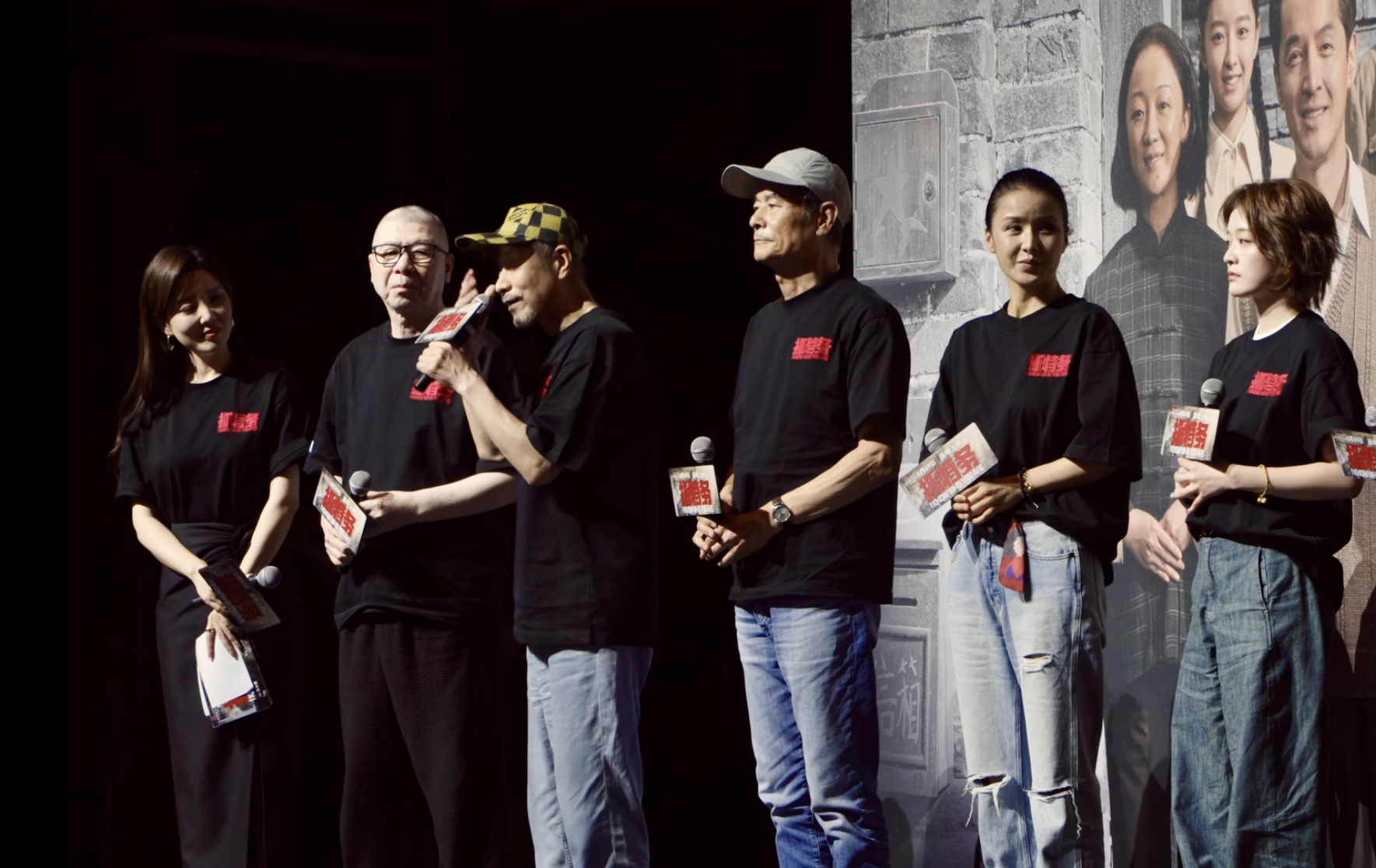
"I once played Xiao Dali too, but I only captured his stubbornness—not as fully as Lei Jiayin did." At the premiere of the film "Catching the Spy," when Liu Peiqi said this, Lei Jiayin beside him waved his hands repeatedly, exclaiming, "I'm overwhelmed."
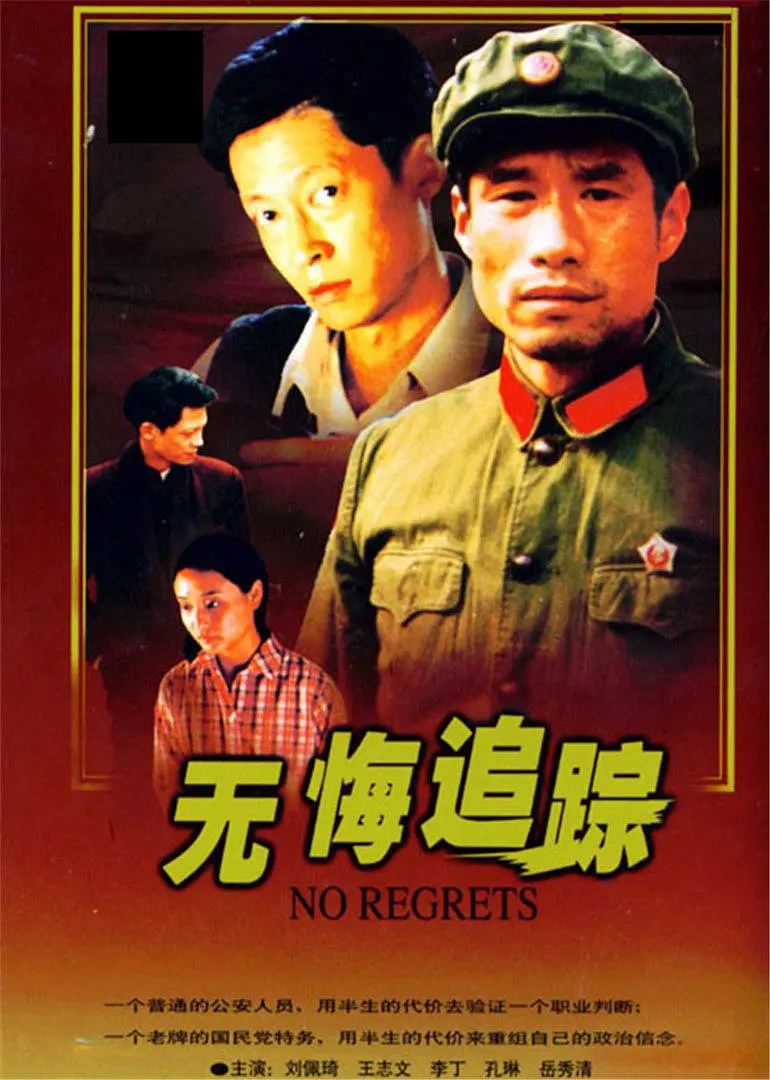
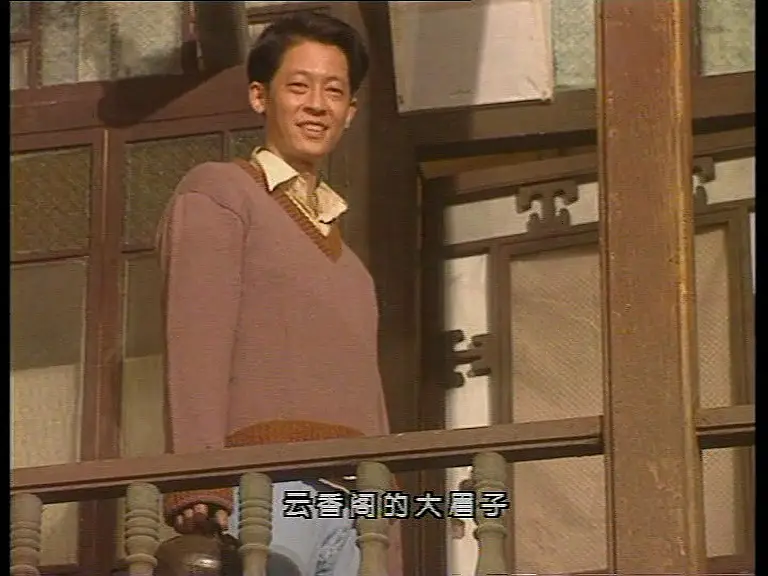
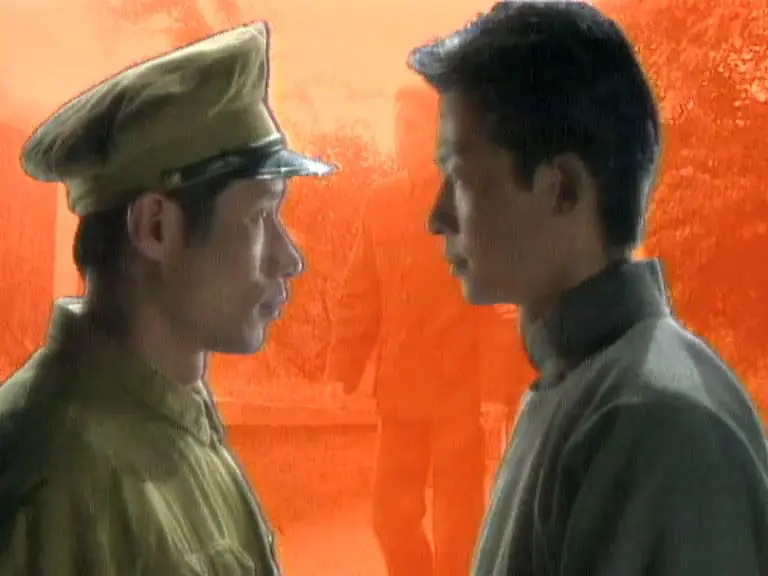
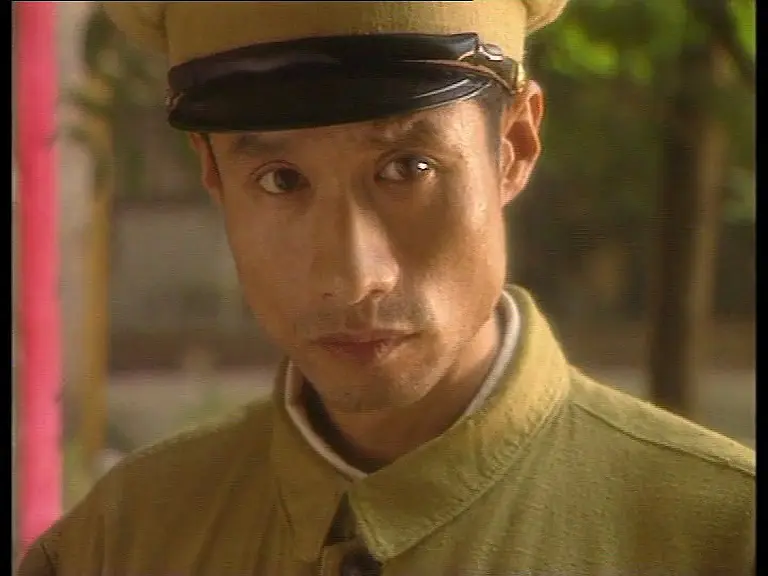
This backstage moment of colleagues praising each other before the film's release became the most direct connection between a TV series and a film that tell the same story thirty years apart, making people unable to resist looking back at the classic Chinese drama "Regretless Pursuit" (Wu Hui Zhui Zong).
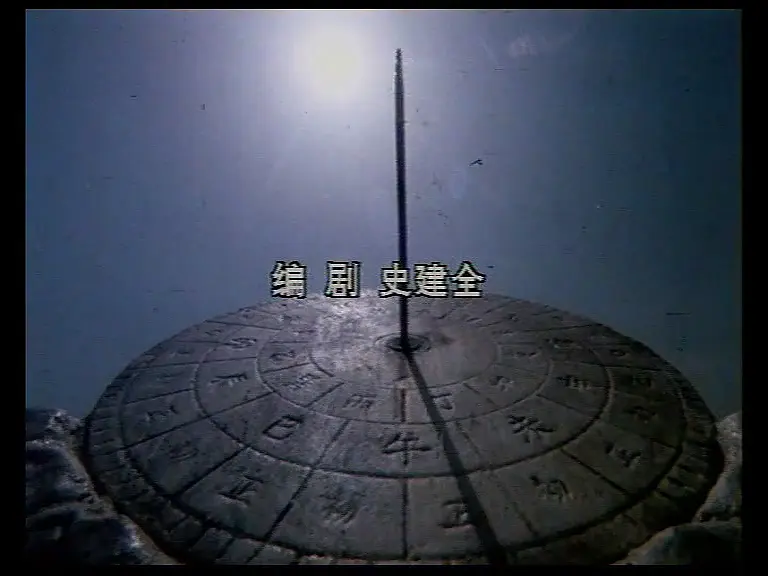
Since its premiere in 1996, "Regretless Pursuit" has ranked at the top of Chinese spy and period dramas with an outstanding Douban score of 9.4. Adapted from Zhang Ce's short story of the same name, the script was expanded from over 20,000 characters into more than 200,000—screenwriter Shi Jianquan deserves the greatest credit. To this day, whether it's film director Feng Xiaogang or the original TV series director Yin Li, when speaking about this production, they first praise it with: "What a brilliant script!"
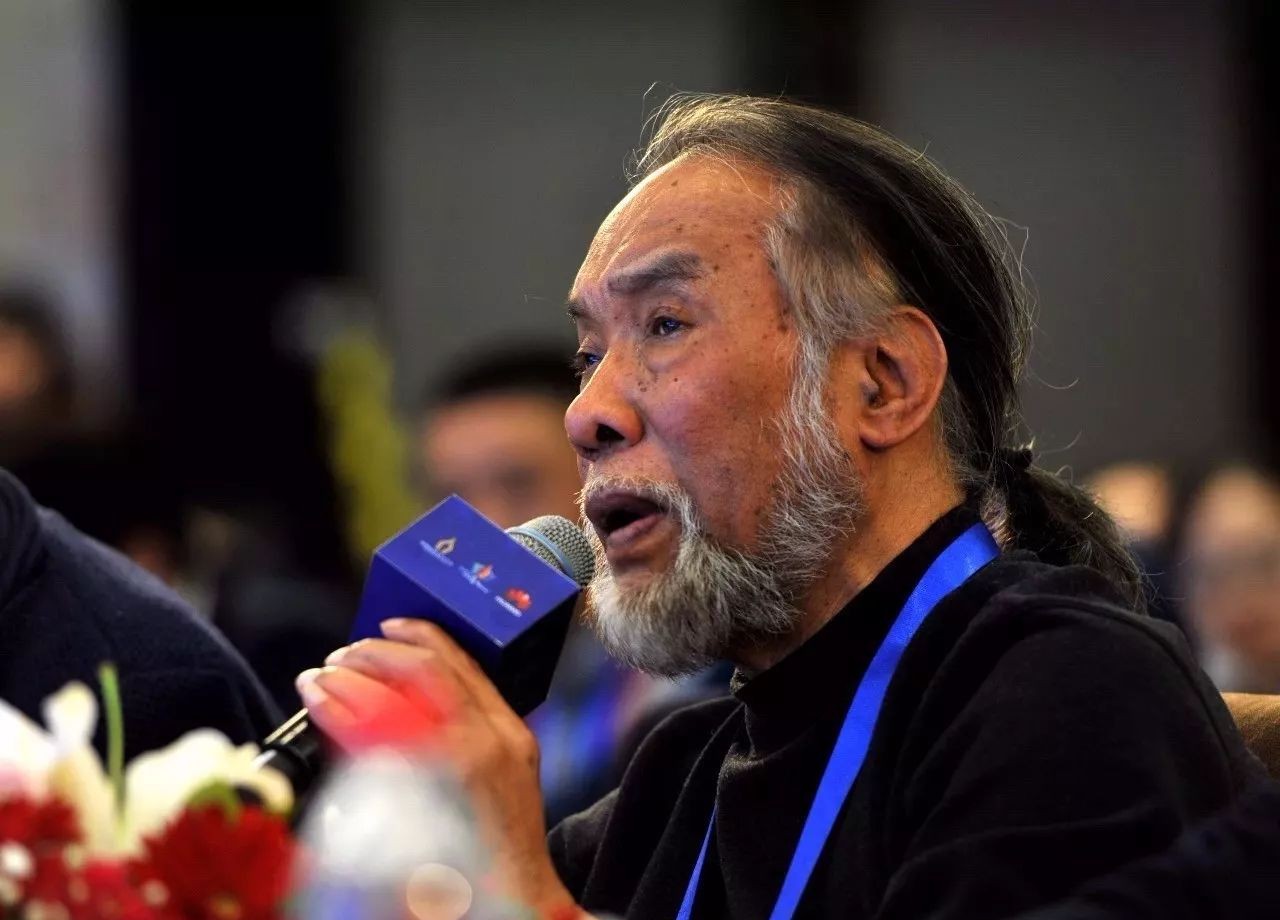
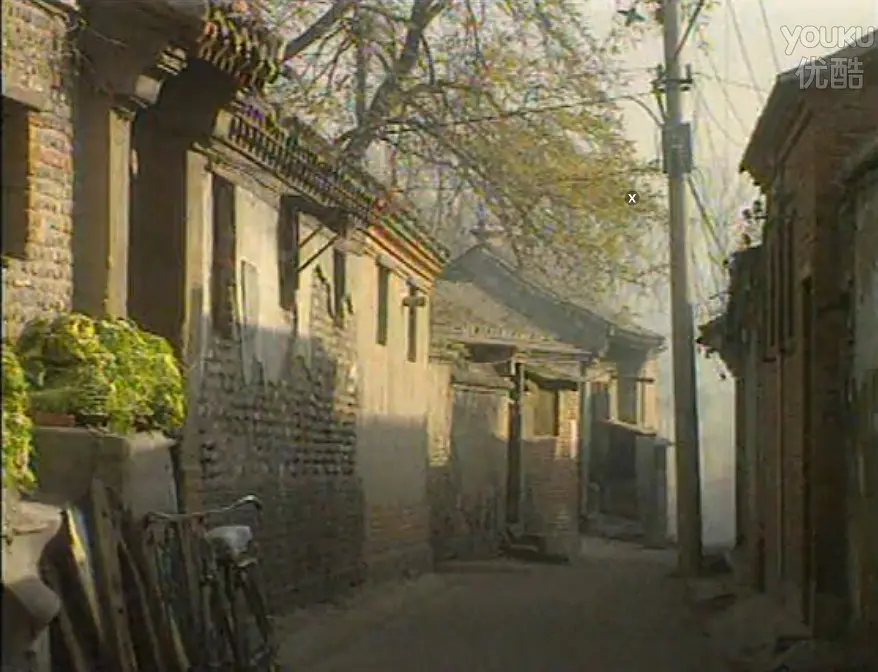
Shi Jianquan, known in the industry as "Master Shi," grew up outside Chongwenmen's Flower Market. This short street was home to Beijing's oldest Fire God Temple, a sizable mosque, and a Gospel hall run by foreigners. The people he dealt with daily were a motley crowd—fortune tellers, wood-turners, sesame cake bakers, soybean milk vendors, barbers, cobblers, and knife-sharpening tinkers who welded tin kettles—practically every trade imaginable. It was this deep familiarity with the customs and life of the ancient capital that, after he switched from painting to screenwriting, filled his characterizations and descriptions with the lively, bustling烟火气 (earthly vitality) of the marketplace.
A Commoner's Epic: "Along the River During the Qingming Festival" of Tudao Lane
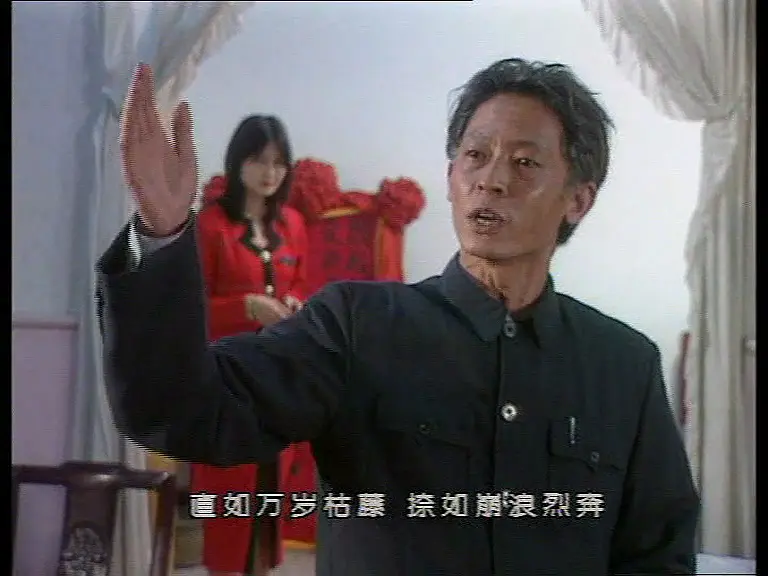
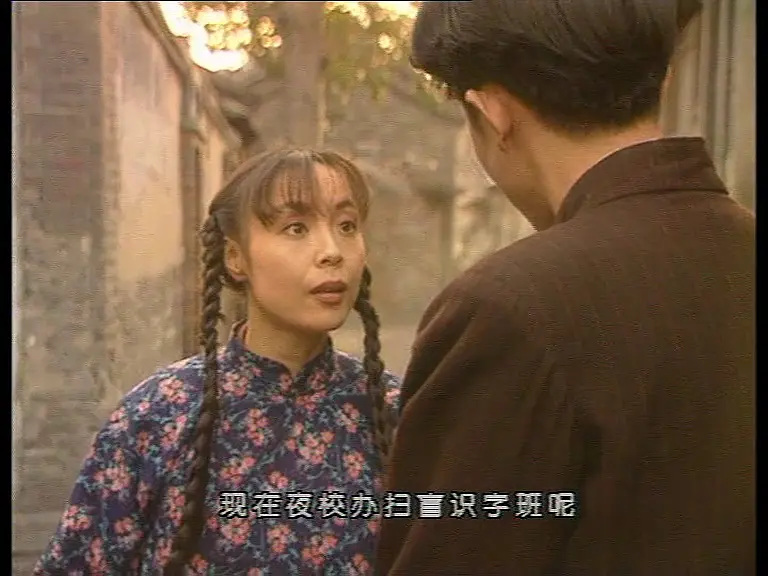
Before taking on "Regretless Pursuit," Shi had just finished the script for the TV series "The Needle-Eye Officer" (starring Feng Yuanzheng and Liu Jia)—a similar beat-cop题材 (subject matter) filled with the family affairs of Beijing's hutongs. This led Wang Shuo and Feng Xiaogang, who held the TV adaptation rights, to deem him the irreplaceable choice for screenwriter. When Master Shi started writing, it was as sure as "手拿把掐" (a Beijing dialect phrase meaning "a sure thing"). Historical milestones—the Founding Ceremony of the People's Republic, the Korean War, the Great Steel Smelting Campaign, the resumption of college entrance exams, Reform and Opening-up—were all finely woven into the daily life of the alley: household registrations, literacy classes, neighbors sharing meat, kids playing rubber-band jumping, listening to Teresa Teng's songs. Just listen to how Wang Liujin, an old policeman transitioning from the Republic era to the new regime, introduces the neighborhood to Xiao Dali, the newly arrived police chief of Tudao Lane:
"The hutongs of Beiping are as countless as cow hair. Oh, my brain—Beijing's hutongs are as countless as cow hair, that's the saying. Cut through here and you'll reach Yangmeizhu Xiejie, straight ahead is Litiegui Xiejie, turn left and it's Bingyao Xiejie, turn right and it's Wangguafu Xiejie. Out of Puchen Hutong, into Guaibang Lane, walk through Xiaojiaobozi Hutong, cross Badaowan, hit the wall with your nose—turn north and it's Upper Tangdao'er, turn south and it's Lower Tangdao'er, turn east and here we are: Tudao Hutong, right here, sir."
Once the script was finished, the rights passed to the Beijing Television Art Center, and at Master Shi's recommendation, director Yin Li took over. A true-blue Beijing native himself, Yin Li was filled with nostalgia watching the gradual disappearance of the lively communal life of the old courtyard compounds in the face of the new wave of urban renewal spurred by the 1990 Asian Games: "Back then, you could hear each other's chickens and dogs. Neighbors shared a wall—tear it down and two families became one. Everyone was poor, there was no privacy. Who had a new girlfriend, whose family was making dumplings—you could smell it, hear it. Nothing was hidden, there were no secrets. Bitter and warm at the same time."
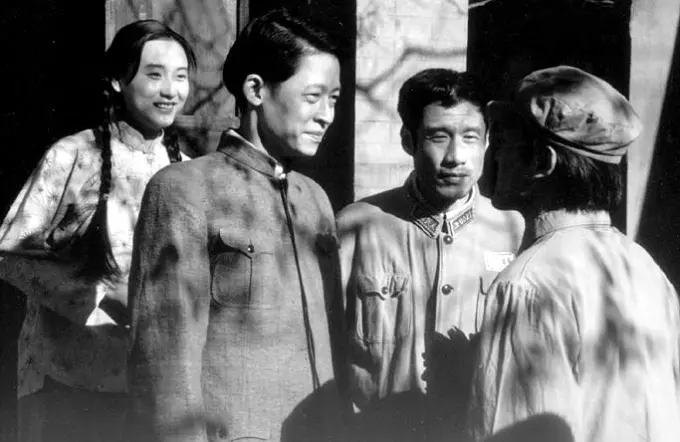
Yin Li fully understood that beyond the cat-and-mouse game of Xiao Dali and Feng Jingbo's mutual surveillance, the script spanned from 1949 to 1988—this "Teahouse of the Hutongs" was actually an epic of ordinary people. He had a clear artistic vision for capturing the subtle subtext and era texture: "In 'Regretless Pursuit's' 20 episodes, every major event our country experienced, every era-defining moment that shaped ordinary people's lives, was recorded on screen—from the Founding Ceremony in the first episode all the way to Reform and Opening-up." "It portrays the changes in one alley over 40 years, telling the story of a group of honest, kind-hearted ordinary people swept up in the currents of history—what they gained, what they lost, and what they learned."
"The people in the play live in the mud, in the烟火气 (mortal world), every one of them has that drive to strive for a better life. No one is pitiful or self-pitying. And that's what makes them Chinese. Placed in the hutongs, they are particularly Beijingnese." In Yin Li's view, behind the common folks' joking and self-amusement lies a burning hope for the future—that's why they use self-deprecation to dissolve present hardships. "No tiled roof lasts thirty years without leaking," "No matter how big the cornbread is, it has to sit on the steamer," "I don't believe you can piss twelve feet high"... "It is precisely in these casual jokes and banter that the sentiments of the era are unintentionally recorded. And in the torrent of history, it is these nameless people who are pushing the country forward."
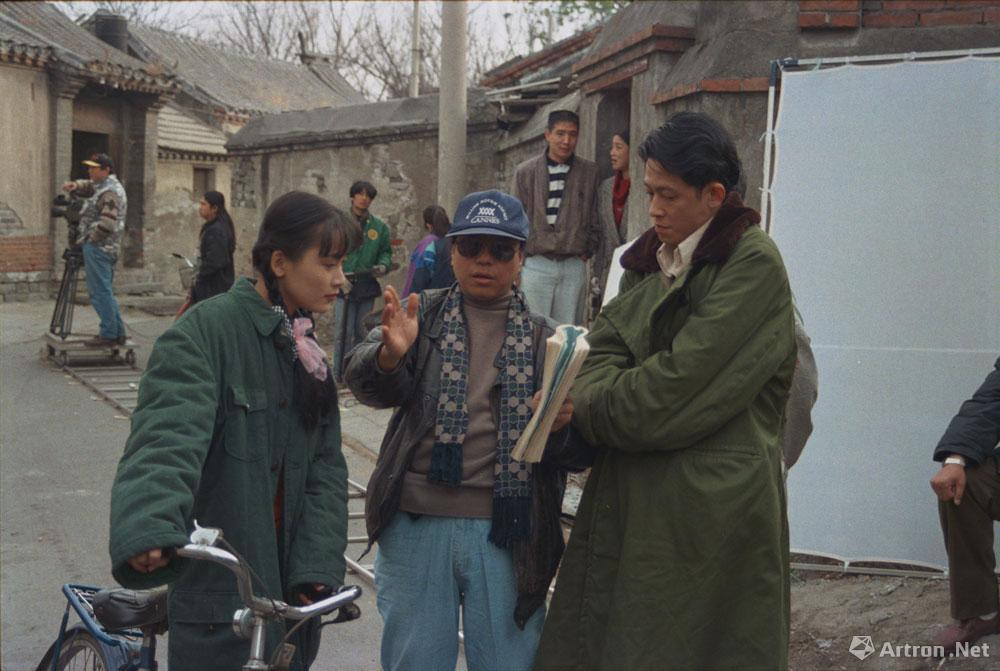
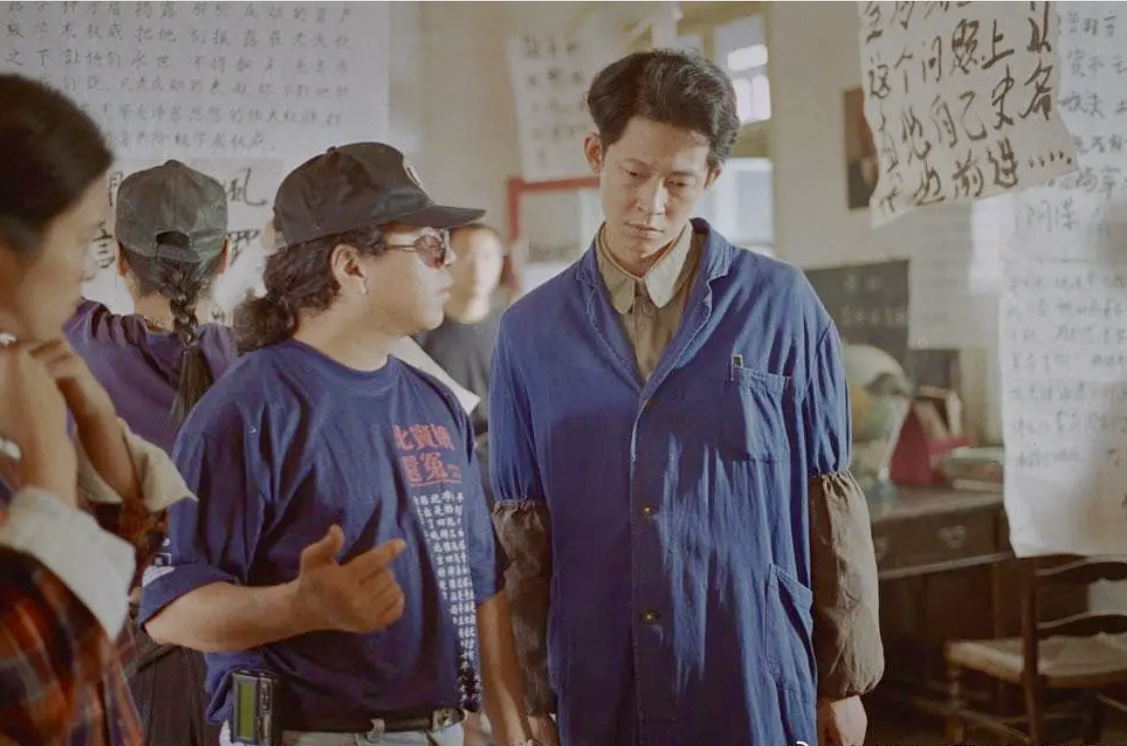
"I couldn't turn a great script into a second-rate hack job." Yin Li once reflected that the production environment of that era allowed people to focus and create a TV series with real craftsmanship—using camera work, lighting, and the coordination of costumes, makeup, and props to create the texture of different eras. "The care and emotion you put into the creative process will ultimately show up in the images and give life to the work."
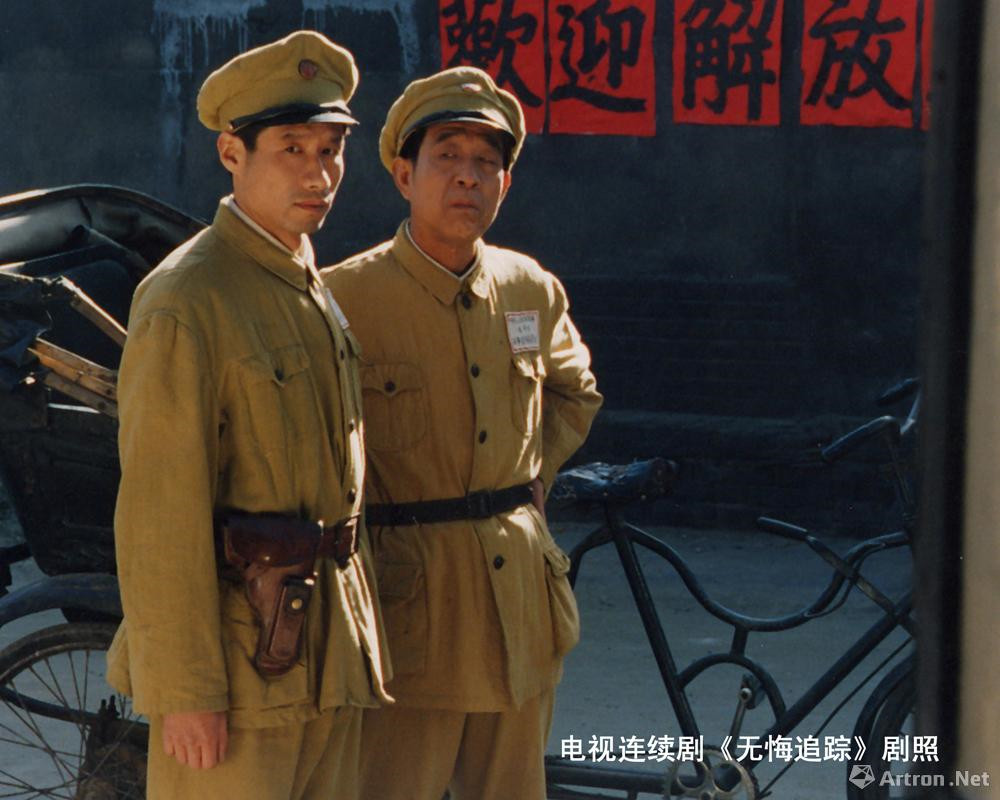
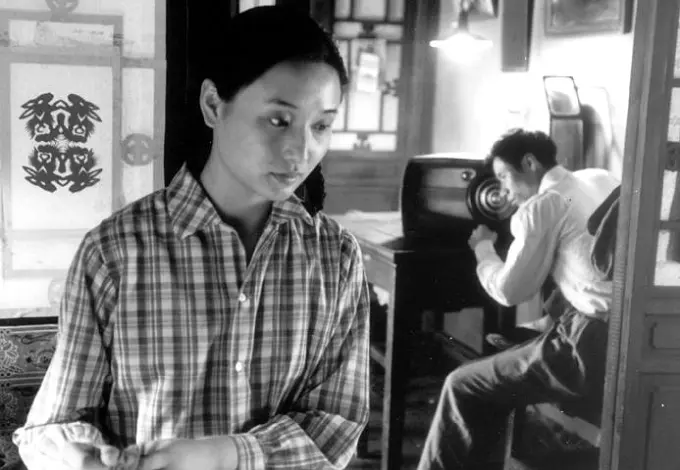
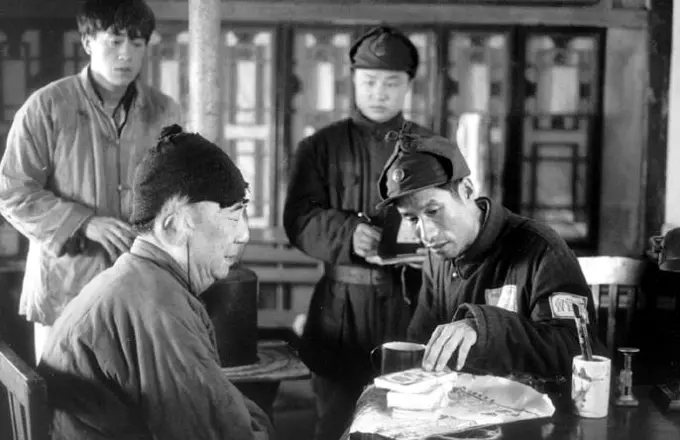
To that end, the costumes and props in the series were all sourced according to historical facts—enamel mugs printed with "Dedicate Everything to the Party," old household registers, vintage spittoons, honeycomb briquettes... Screenwriter Shi Jianquan took the assistant director on a tour of flea markets. "These little things aren't flashy, but put them in the frame, and the flavor of that era is just right."
To preserve the natural tone and pauses of everyday speech, the crew insisted on synchronized sound recording—extremely rare for a mid-90s TV series. Many shots required long, unbroken takes following actors as they entered the courtyard, lifted the door curtain, and sat down on the kang edge... "You can't cut it up too much; hutong life is fluid. You have to let the actors and their characters 'live' in the same space. This series is like 'Along the River During the Qingming Festival' of Tudao'er Lane—a long scroll with a sense of history and spanning an era."