business
Netherlands Falls Again in World Cup Penalty Shootout as Morocco Advances to Round of 16
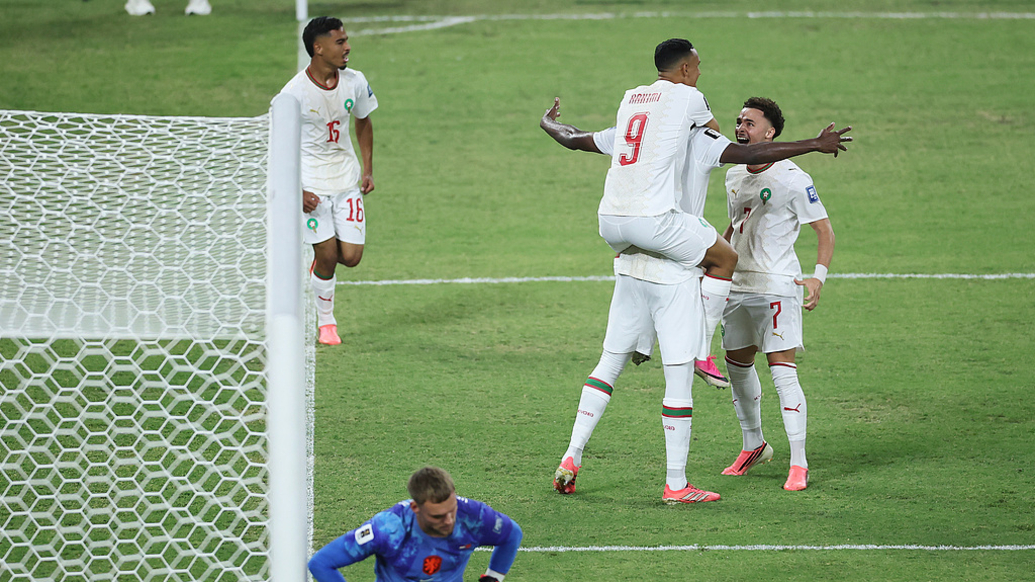
The knockout match between the Netherlands and Morocco was the second 'powerhouse clash' among the world's top ten ranked teams at this World Cup. Facing the 'King Without a Crown,' Morocco emerged victorious in a penalty shootout.
On June 30, Beijing time, the Round of 32 knockout matches of the United-Canada-Mexico World Cup continued, with Morocco defeating the Netherlands in a penalty shootout to advance to the Round of 16. Their opponent in the next round will be the tournament's co-host, Canada.
Looking back at the World Cup head-to-head records between these two teams, they previously met only once at the 1994 World Cup, where the Netherlands defeated Morocco 2-1. Thirty-two years later, these two teams meet again. The Netherlands remains the World Cup's 'King Without a Crown,' while Morocco has become the 'African powerhouse' - not only a top-ten ranked team in the world but also the first African team to reach the World Cup semifinals.
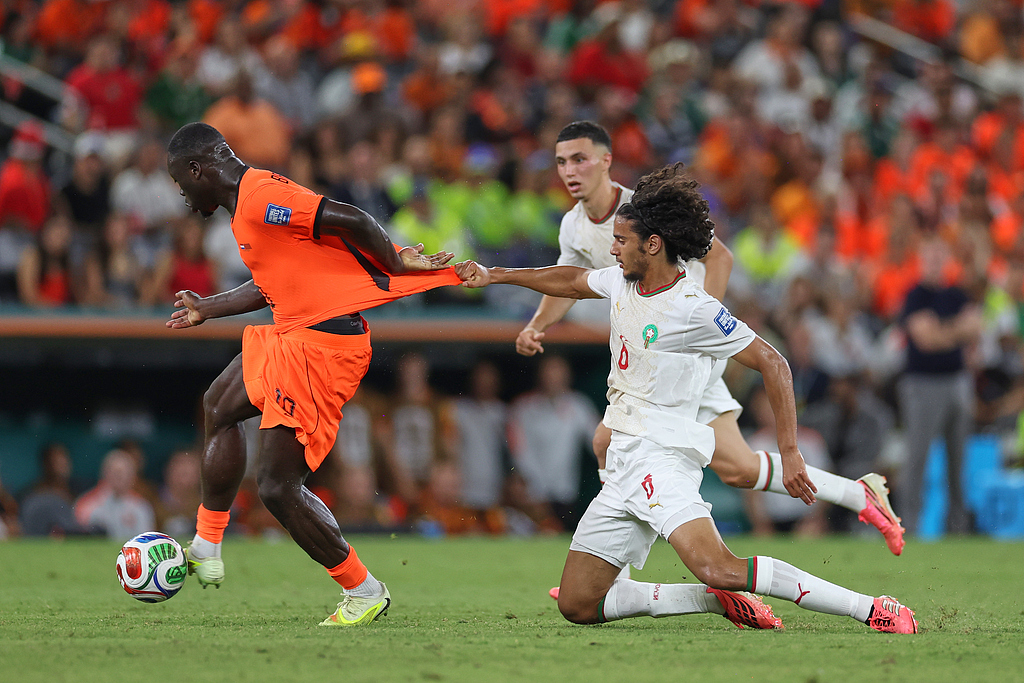
Before this match, Netherlands head coach Koeman was asked, 'Do you consider Morocco the African powerhouse?' His answer was quite interesting: 'In my view, who can truly claim to be the real powerhouse is still hard to say. But without a doubt, Morocco is an absolutely formidable team.'
In the eyes of the outside world, the matchup between world No. 7 Morocco and world No. 8 Netherlands was the most unpredictable of all Round of 32 ties. In data agency OPTA's predictions, the Netherlands' advancement probability was only 60.3%, the lowest among all strong teams. Media observers felt the two sides were evenly matched, with either capable of advancing.
Koeman also acknowledged that these two teams met too early in the World Cup: 'This match came too early because both teams should have gone further in the tournament. If you lose, you go home, and the same goes for your opponent.'
Koeman further emphasized, 'Judging by the strength of both teams and their group stage performances, we all have the potential and ability to go further in the tournament. But the cruelty of knockout football is that no matter how well you performed before, one loss means goodbye. Therefore, this match was full of pressure and challenges for both sides.'
The match process confirmed Koeman's assessment. Statistically, both sides had 50% possession in the first half. Morocco led in shots 4-3, with two on target. The Netherlands led in corner kicks 4-2. Morocco held a slight edge in passing accuracy at 89% compared to the Netherlands' 85%.
Notably, Koeman adjusted the Netherlands' formation for this match. The Dutch started with five defenders in the lineup. According to statistics, this was the first time the Netherlands started with a three-center-back system since their 1-2 friendly loss to Germany on March 26, 2024.
Koeman admitted there was little room for error in making changes during the knockout stage, but he did not want the team to keep conceding goals: 'Throughout the preparation process, we have been practicing this formation. But now, the margin for error is gone.'
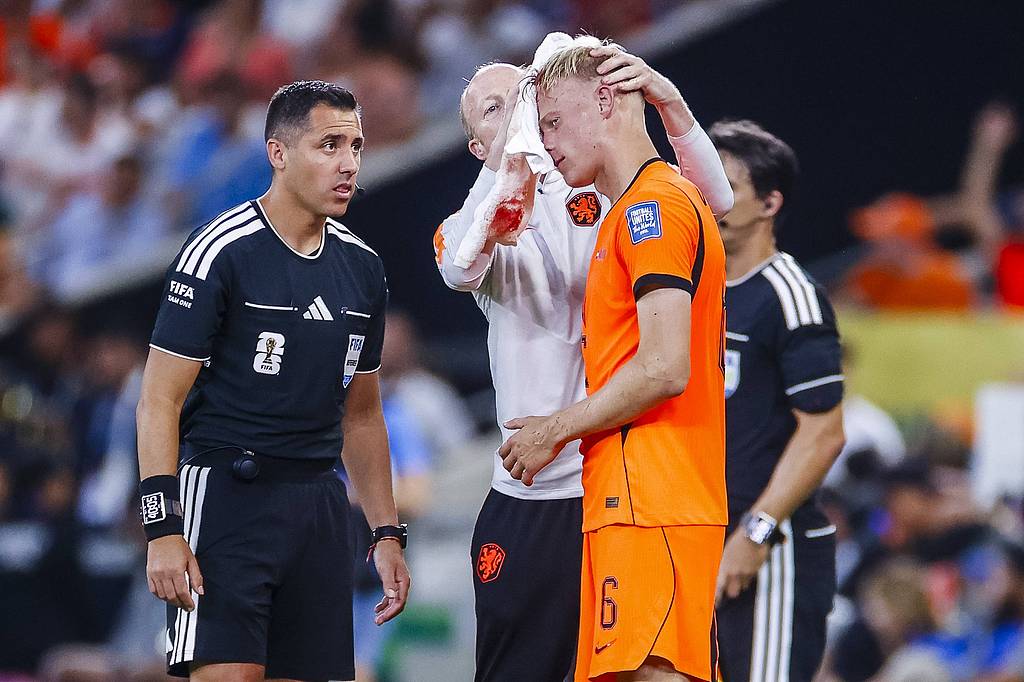
Late in the first half, Netherlands defender Van Hecke suffered a head injury during a challenge and was bleeding. The match was briefly paused while the Dutch medical team treated him. After stopping the bleeding, Koeman chose not to make a substitution to preserve defensive integrity, keeping the impressive group-stage performer Van Hecke on the pitch to continue playing through injury.
The first half ended goalless — the Netherlands did not concede, but neither could they breach Morocco's defense.
In the second half, Morocco stepped up their attack and created more chaos in front of the Dutch goal. Wing star Achraf Hakimi had two golden opportunities: first, a tight-angle shot after a burst of pace that was saved by the Dutch goalkeeper; second, a one-on-one chance that was thwarted by a sliding tackle from Van de Ven who had rushed back.
Data showed that in the first 10 minutes of the second half, Morocco completed 4 shots, created 1 big chance, and had 85% possession. Through sustained pressure and forward build-up, they constantly pushed the tempo into the Netherlands' half.
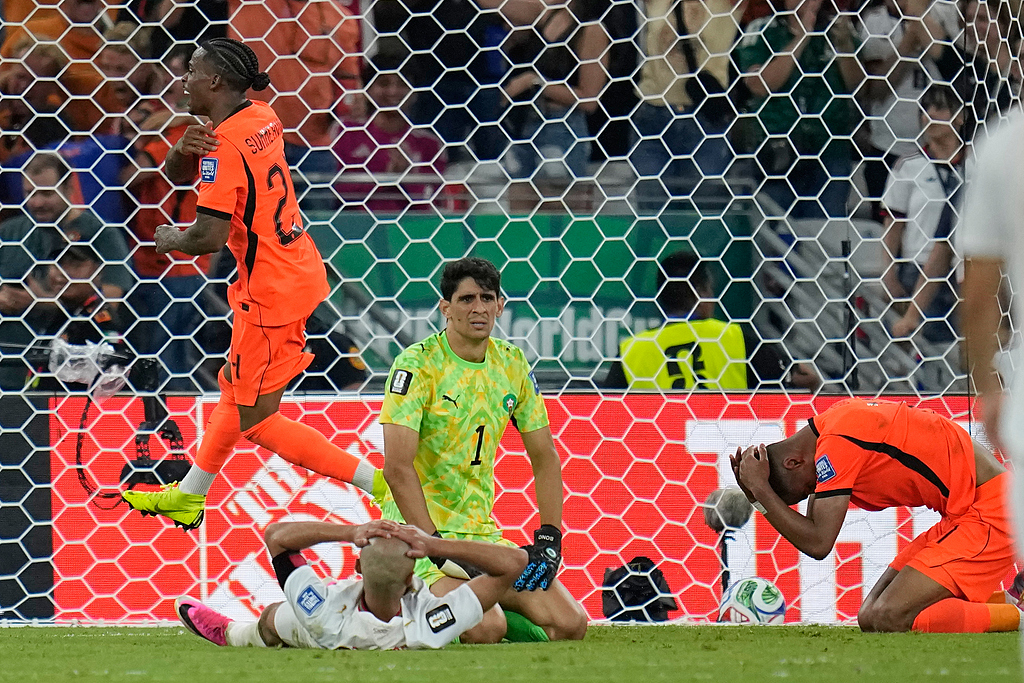
However, the hydration break of the United-Canada-Mexico World Cup 'saved' the Netherlands. After the second-half cooling break ended, the Netherlands seized their opportunity. In the 72nd minute, Cody Gakpo scored for the Netherlands, giving them the lead and breaking the deadlock. Notably, Gakpo has now made 31 consecutive appearances for the Netherlands across all competitions. Despite being a controversial figure at club level, he has become one of the team's key players for the national team.
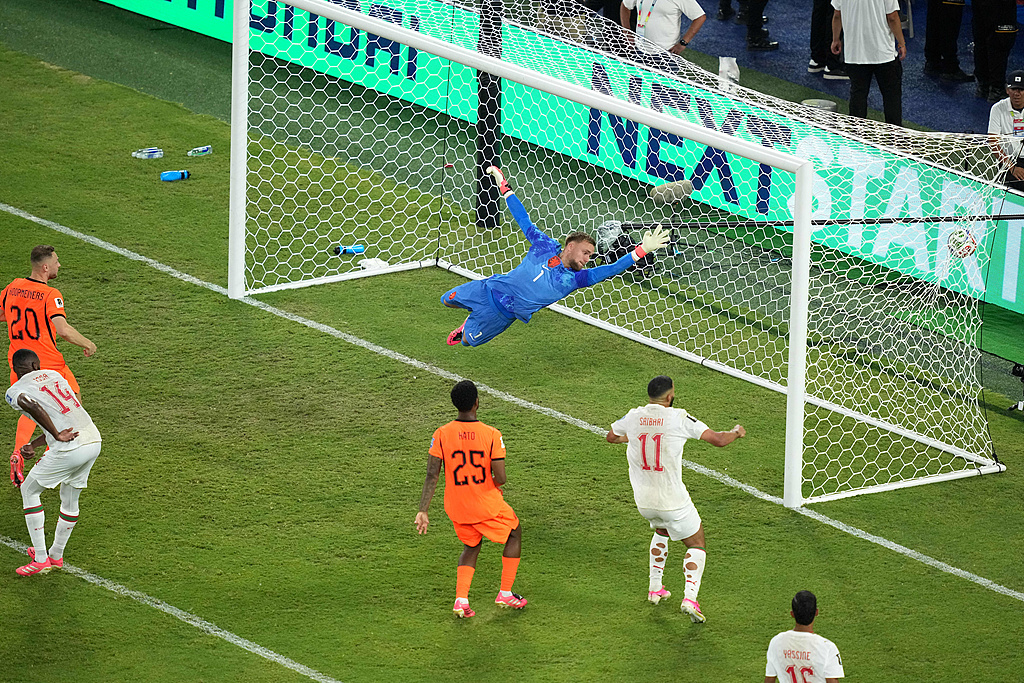
The Netherlands planned to park the bus and see out the match, but Diop's header told the Dutch that the game wasn't over. In the first minute of stoppage time, both teams were level again — 1-1.
In the ensuing extra time, neither side could find the back of the net, sending the match into a cruel penalty shootout once again.
Penalties have always loomed like a dark cloud over the Netherlands. From the World Cup to the European Championship to the Nations League, the Oranje had played nine penalty shootouts in major tournaments before this, winning only two. By contrast, Morocco eliminated Spain on penalties in the last World Cup and defeated Nigeria on penalties in this year's Africa Cup of Nations semifinal. If this knockout match came down to penalties, few would have placed their trust in the Dutch.
Koeman admitted the team had practiced penalties before the match but believed practice alone couldn't improve their performance: 'Of course you can practice penalties, but what matters most is calmness and confidence. Some things can't be trained out. I've always believed that.'
So how did the Netherlands perform in this shootout?
Morocco missed 2 penalties. The Netherlands missed 3. The Dutch once again extended their embarrassing record of penalty shootout failures in major international tournaments.
In this match, Morocco set several team and even African football records. Morocco goalkeeper Bounou surpassed Ghana's Richard Kingston (9 matches) with 10 appearances, becoming the African goalkeeper with the most World Cup appearances in history. Morocco captain Achraf Hakimi reached 100 international caps — only Noureddine Naybet (115 caps) has played more for Morocco. And 18-year-8-month-old Bouaddi became the second-youngest African player to start in a World Cup knockout match, behind only Bilal El Khannous, who was 18 years and 7 months old when he started against Croatia on December 17, 2022.
Winning this heavyweight clash, Morocco will continue their World Cup journey. In the Round of 16, they will face co-host Canada, which has reached the knockout stage for the first time.