world
Cape Verde Is Out, But They Have Won Our Hearts
In a performance destined to be a farewell, Cape Verde held on until the very last moment the curtain fell, even stealing the spotlight from the protagonist.
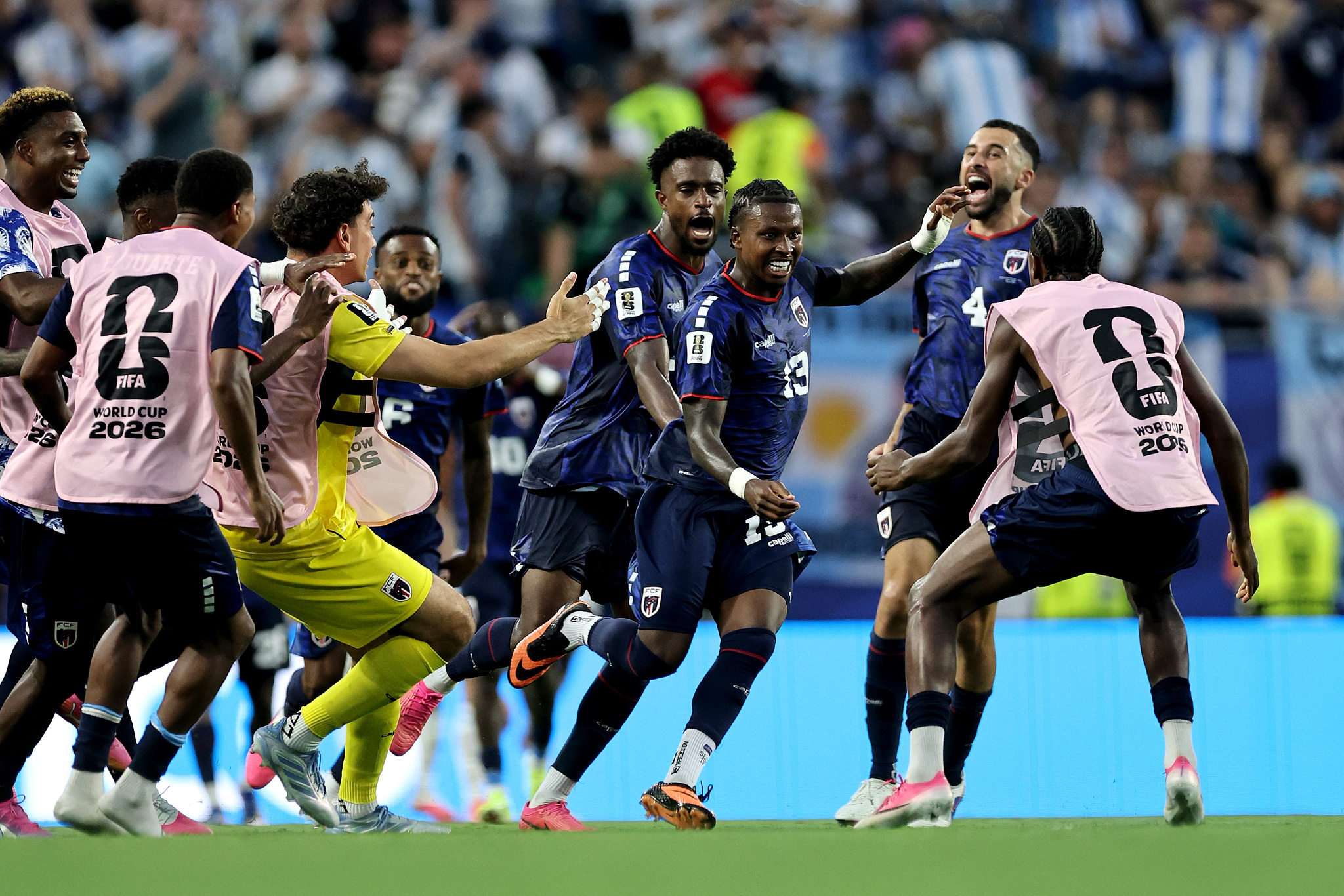
When the final whistle blew, as Lisandro Martínez threw himself to the ground celebrating passionately, Cabral — who had single-handedly charged forward just over 10 minutes earlier to score the most beautiful curling goal of the tournament — stood calm, almost relieved, even though he had collapsed with cramps several times during extra time. Behind him stood Vozinha, who had made 8 saves. Having declared before the match that he hoped to save a Messi penalty, he did not get his wish, but he became the toughest obstacle the Argentine captain has faced in this World Cup.
Except for the scoreline, Cape Verde excelled in every area. With the honor of being undefeated in regular time, they can leave without regrets. The purest fairy tale of this World Cup, the most incredible fantasy voyage, will forever be written in the name of this Atlantic island nation.
They commanded Argentina's respect
The most lopsided matchup among the 32 teams did not stop fans from pouring out their highest enthusiasm. The Argentina vs. Cape Verde match, kicking off at 6 AM, saw CCTV5 ratings break 3.1% with a market share of 35%. Clearly, the vast majority of viewers tuned in for Messi, but in the end, it was Cape Verde that gradually won them over.
Also conquered were the packed stands at Miami's Hard Rock Stadium. When Cape Verde launched a counterattack late in the second half of extra time, the crowd responded not with worried gasps but with fervent cheers — and this was Messi's home ground in club football.
Compared to the almost euphoric fans, Cape Verde played with remarkable composure. Even though their starting lineup, averaging 31 years and 197 days old, was the oldest in World Cup knockout history, it did not stop the Cape Verdeans — who had only 35% possession — from dancing joyfully as they repeatedly breached Argentina's defense, watching Messi's expression shift from relaxed to tense to relieved.
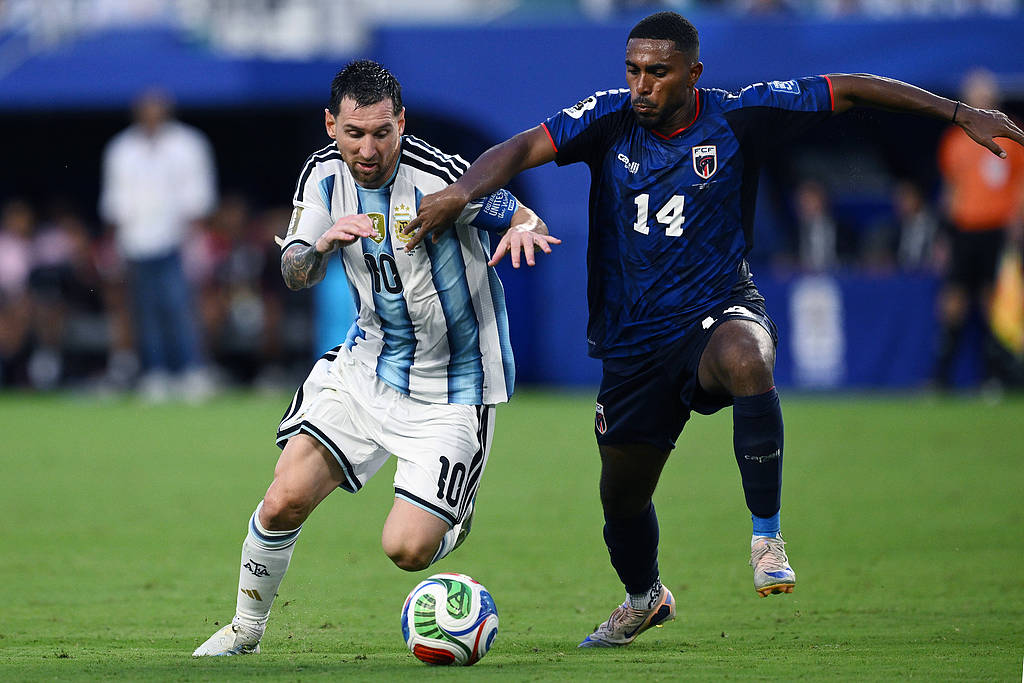
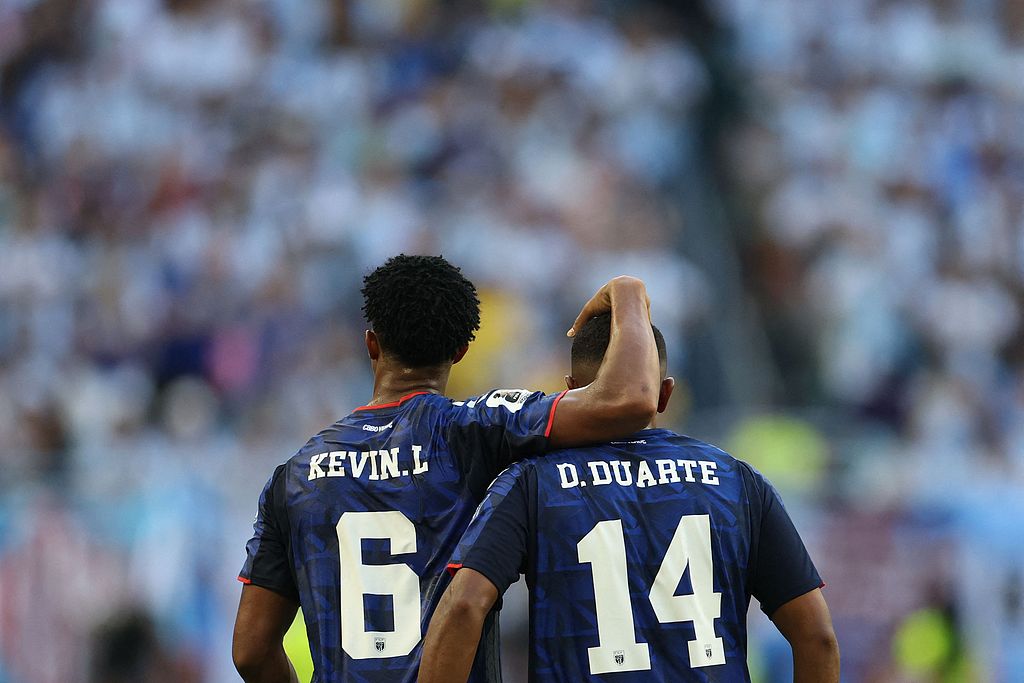
When Duarte scored Cape Verde's first-ever World Cup knockout goal, Argentina — who had previously won all 7 encounters against African teams — had to accept the reality of playing their 12th extra time in team history. Cape Verde became only the second team, after Slovakia in 2010, to score in the knockout stage in their debut World Cup appearance.
In the stands, famous streamer Speed became the ultimate hype man, loudly celebrating Cape Verde's goal and even getting into an argument with Argentine fans.
But as the core source of Cape Verde's newfound popularity, Vozinha once again transformed into an impenetrable wall. His 8 saves, 4 of them against Messi, plunged Argentina into an even longer siege than their 2022 battle with Saudi Arabia. His two saves from Messi free kicks in particular gave this duel — with a combined age of 79 — an almost legendary quality.
In a twist of fate, this was a matchup across time. Vozinha's real first name is Eusmar, named after the most brilliant right-back of the 1986 Mexico World Cup, Brazilian player Josimar Pereira. Vozinha was born during the Mexico World Cup; 26 days after his birth, Maradona led Argentina to a 3-2 victory over West Germany to lift the trophy. Even more fatefully, Vozinha's father had considered naming him after Argentina's then-star striker Jorge Valdano — otherwise, Argentina today would have faced another one of their own.
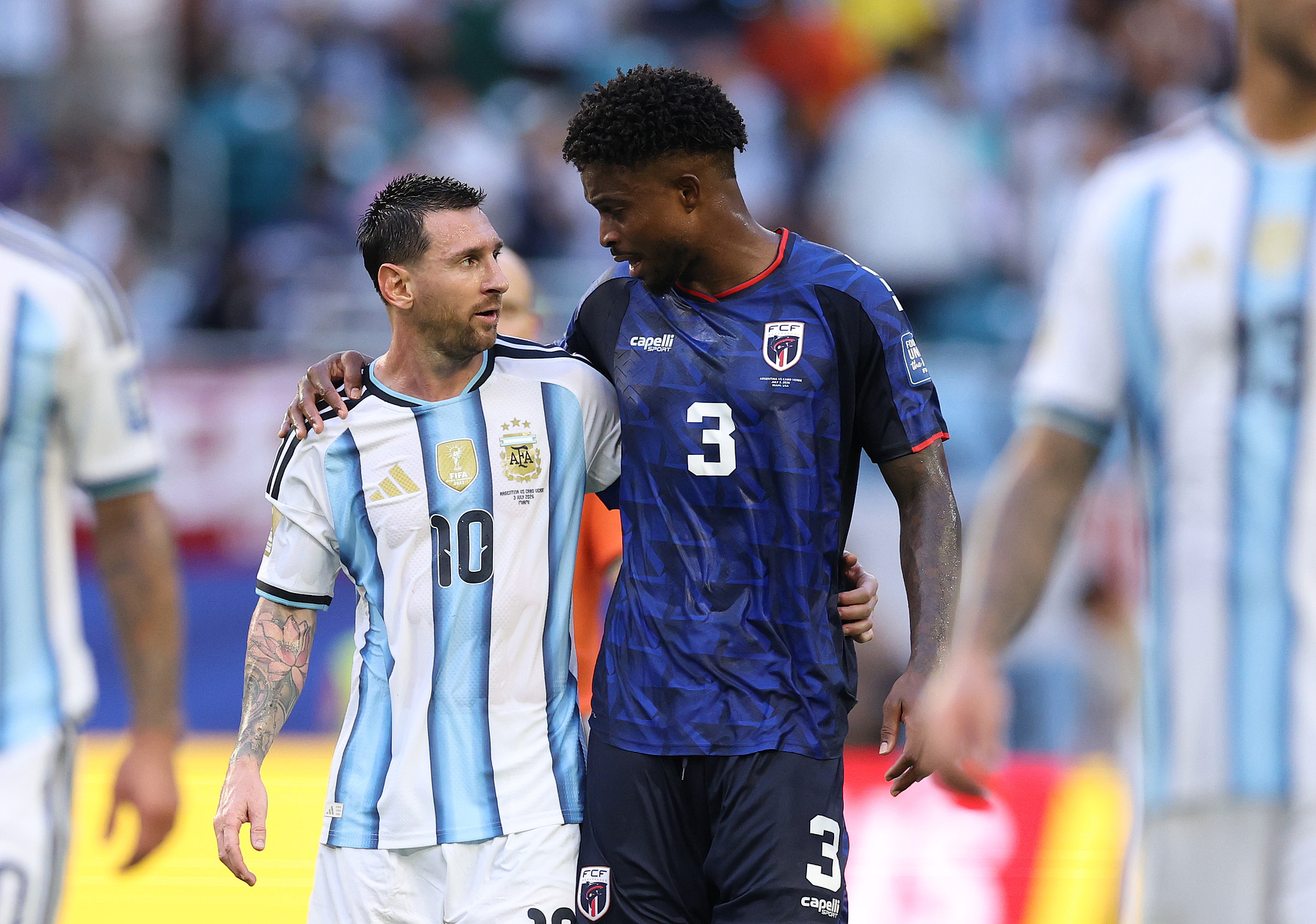
Now, carrying his family's simple love for football, Vozinha — far less successful in his career than Josimar — bears the mission of a Matthäus from that final. Even though the outcome was the same 2-3 scoreline, when the final whistle blew, Argentine players walked one by one to Vozinha to pay their respects.
Such an opponent earned their genuine admiration. Before the match, when asked whether Argentina would use Cape Verde as a warm-up, Scaloni put on a stern face: "Honestly, we are not surprised (by their performance). They are a good team. We have to respect them, and that is what we are going to do."
Respect — that is exactly what the Cape Verde players fought so hard to earn.
They make history every day
Compared to the other three debutants, Cape Verde's path was truly hellish — facing three World Cup-winning teams in a row, ranked by their number of titles: one-star Spain, two-star Uruguay, three-star Argentina. Yet against six dazzling stars, Cape Verde's answer was three draws in 90 minutes, neither servile nor arrogant.
While fellow African teams fell in the first qualifying round, Cape Verde could hardly escape unscathed either. But compared to Senegal, Ivory Coast, Algeria, and South Africa, Cape Verde delivered a performance more deserving of a tip of the hat than even DR Congo.
Before kickoff in Miami, no one believed Cape Verde could corner Argentina. Fans wanted to see how many goals Messi could pull ahead of Mbappé on the scoring chart, whether the other silent forwards could finally break through. The fate of the Blue Sharks — nobody cared, nobody bothered.
Baseless arrogance, disdain, even indifference — that is just the rule of the traffic-driven world. Only when Cape Verde created miracle after miracle were they remembered: emerging from Africa undefeated, forcing Spain to a stalemate with near-tragic defense, using 2 goals to deepen Uruguay's internal discord, and shutting out Saudi Arabia 0-0 to keep them out of the round of 32 — all without even needing to compete in the brutal ranking of 12 third-place finishers.
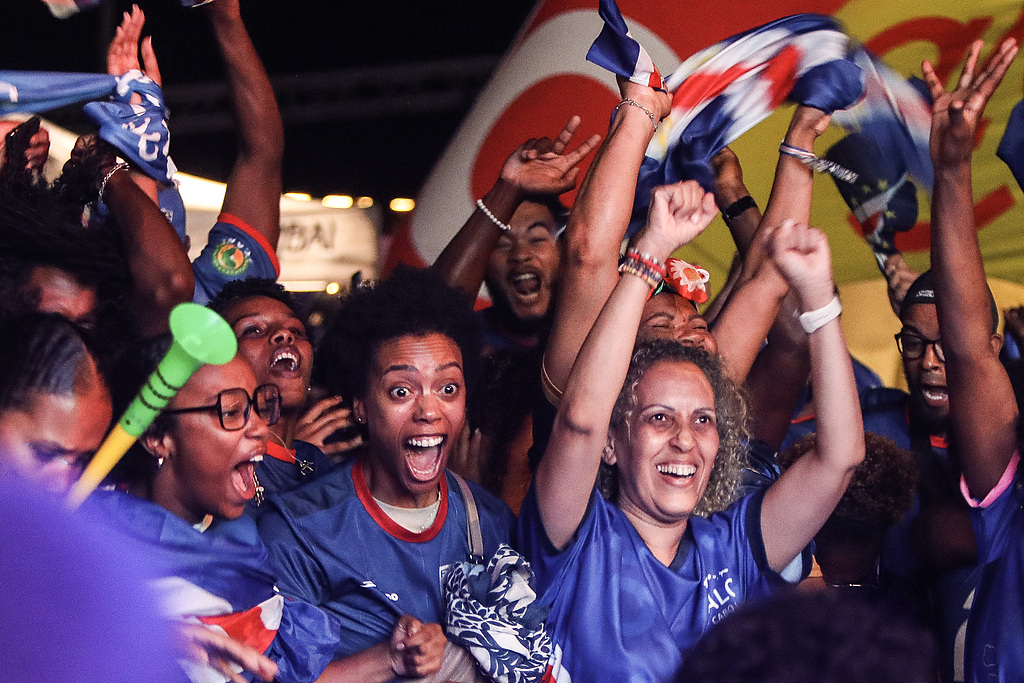
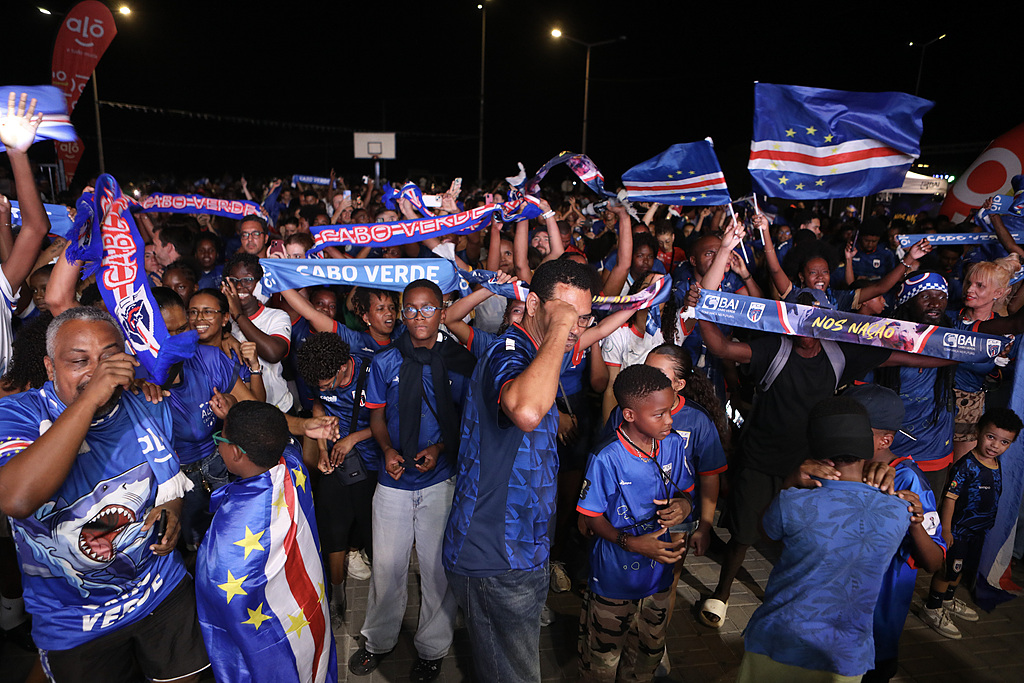
The moment they advanced, Cape Verde players gathered to sing. Thousands of miles away on the streets of capital Praia, fans waved flags and honked horns in celebration. A banner displayed the words: "We may be small, but our hopes are as vast as the ocean." President Neves, watching from the stands, entered the locker room, barely containing his emotion: "We make history every day!"
A calm mindset has been Cape Verde's most valuable quality throughout their journey, as head coach Bubista said with serenity before facing Argentina: "Being able to face Argentina and Messi in the knockout stage — regardless of the result, it is a tremendous thing for our country. Anything is possible."
This composure has subtly influenced the players. In the final moments of extra time, when Vozinha rushed out of his box to face an Argentine counterattack, instead of panicking, he calmly stopped the ball, executed a smooth dribble, and only then unhurriedly launched a long pass. By the end of the Round of 32, he had completed more dribbles than Cristiano Ronaldo.
After nearly 20 years of drifting and playing across six different countries, only now — as his career nears its end — has he finally had the chance to face Messi and Yamal head-on. His social media followers skyrocketed to 18 million, and endorsement offers came flooding in — but these were merely the least important byproducts of this magical journey.
Their football is truly pure
Back to the inevitable question: Will Cape Verde be a flash in the pan?
Most likely, no.
From an unknown name on Africa's football map to today's top trending story, Cape Verde's 20-year journey is the inevitable result of steady, persistent progress. In 2006, Cape Verde defeated Eswatini to earn their first ever World Cup qualifying victory. Four years later, they held Cristiano Ronaldo's Portugal to a 0-0 draw in a friendly — at the time, Portugal was ranked 3rd in FIFA, while Cape Verde was 117th.
In 2013, Cape Verde reached the Africa Cup of Nations quarter-finals for the first time, and in the same year, they reached the final stage of African World Cup qualifiers for the first time. But due to fielding a suspended player, they were penalized and lost their spot, learning firsthand the pain of having something snatched away. In 2025, they finally seized their destiny, and a year later, they staged the most thrilling fantasy voyage.
An island nation of 540,000 people — trying to compete in football heritage with African nations of hundreds of millions is pure fantasy. But relying on diaspora descendants spread across the globe, Cape Verdeans called their wandering sons home in the most heartfelt way. Since 2013, Cape Verde has cast a global net: anyone with Cape Verdean blood willing to play for the nation would be considered for the national team.
For example, defender Pico, who played for Shamrock Rovers in the Irish Premier Division, initially received a private message on LinkedIn from the Cape Verde coach inviting him to naturalize. The message was in Portuguese — Pico didn't understand it and thought it was spam. Nine months later, another message arrived: "Have you considered my proposal?" Pico ran the original through Google Translate, and with a Cape Verdean father, he was overjoyed and immediately agreed.
Beyond the diaspora, football has also taken firm root on the island nation itself.
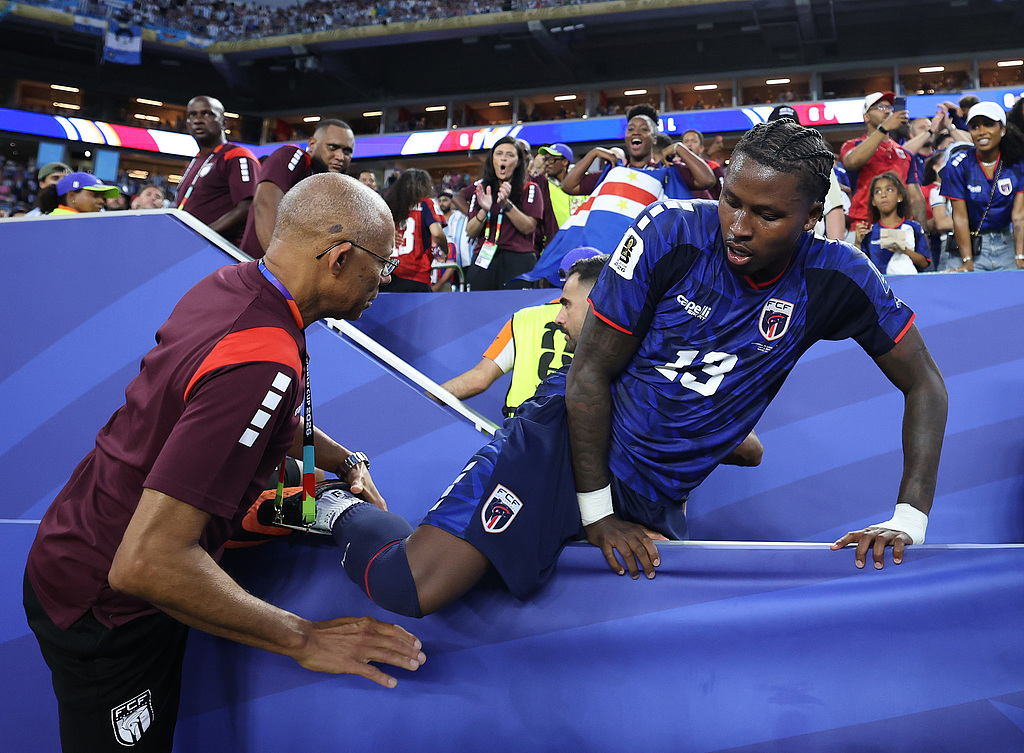
As the torchbearer of Cape Verdean football, José Maria Ramos Lobo gave up his job as an aircraft technician in 1978, traveled through Europe for over a decade, and returned to Praia, Cape Verde to found the ERIF football training school. Over 30 years, despite the founder's passing, the school's legacy has never faded. Multiple national team players — including defender Stopira and captain/striker Ryan Mendes — graduated from ERIF. 80% of players in the capital's top clubs trained there.
Cape Verde's rise in national team performance has been matched by football becoming the island's premier sport. Local teams and clubs have grown steadily. Though still amateur, a unique league system has formed — each island has its own regional league, and after determining each island's champion, they gather on one island for the national finals. By the 2010s, this nation of just over 500,000 people already had about 100 football clubs.
Admittedly, the meager monthly salary of less than 300 euros forces Vozinha and other islanders to leave home and seek opportunities worldwide, and the expensive World Cup tickets will inevitably keep many passionate Cape Verdean fans away. But that doesn't stop the world from witnessing, alongside Cape Verde, miracle after miracle.
Many people in the world have never been to Cape Verde, but the football there is truly pure.