world
Cape Verde's World Cup Journey: Glorious Defeat as the 'Blue Sharks' Write World Cup History
In the summer of 2026, a West African island nation with a population of just 540,000 made the world remember its name. Cape Verde, a country of volcanic archipelagos, wrote an "island fairy tale" worthy of sports history on the stage of the USA-Canada-Mexico World Cup with ironclad defense and burning faith.
Historic Group Stage Breakthrough
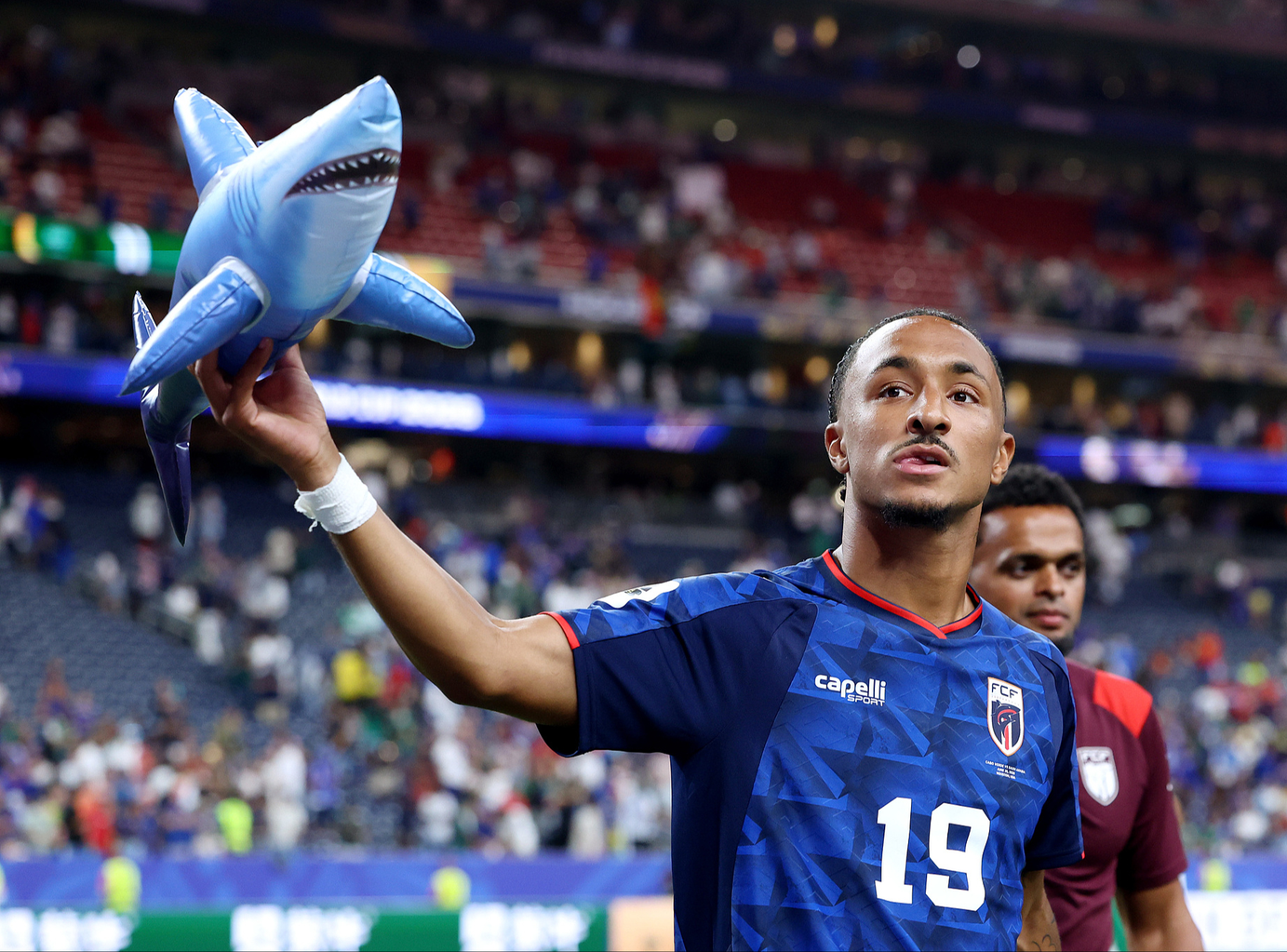
Before arriving at the North American tournament, Cape Verde's name was just a vague geographical coordinate in the Atlantic for most fans. However, when the group stage dust settled, no one dared to underestimate this team nicknamed the "Blue Sharks."
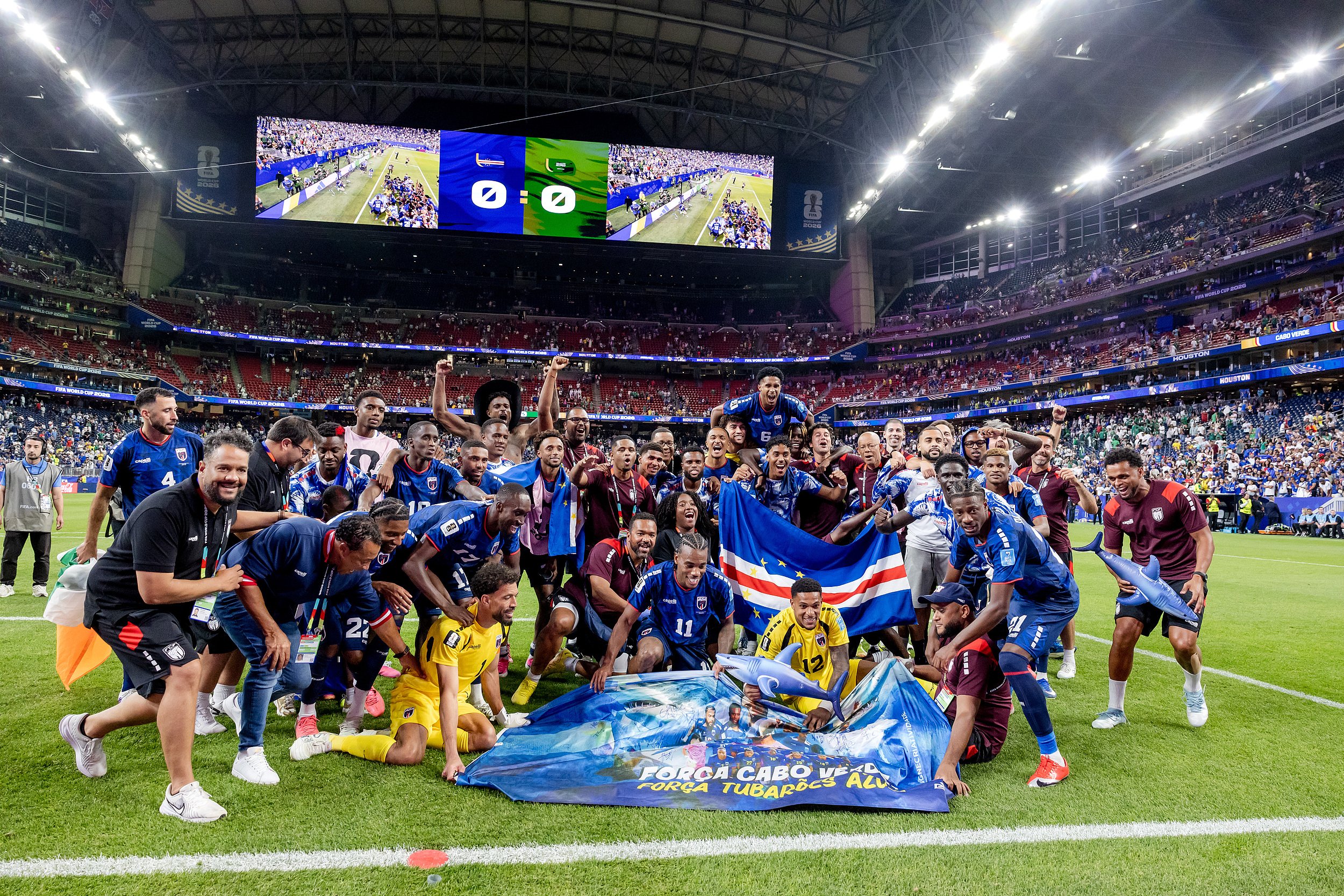
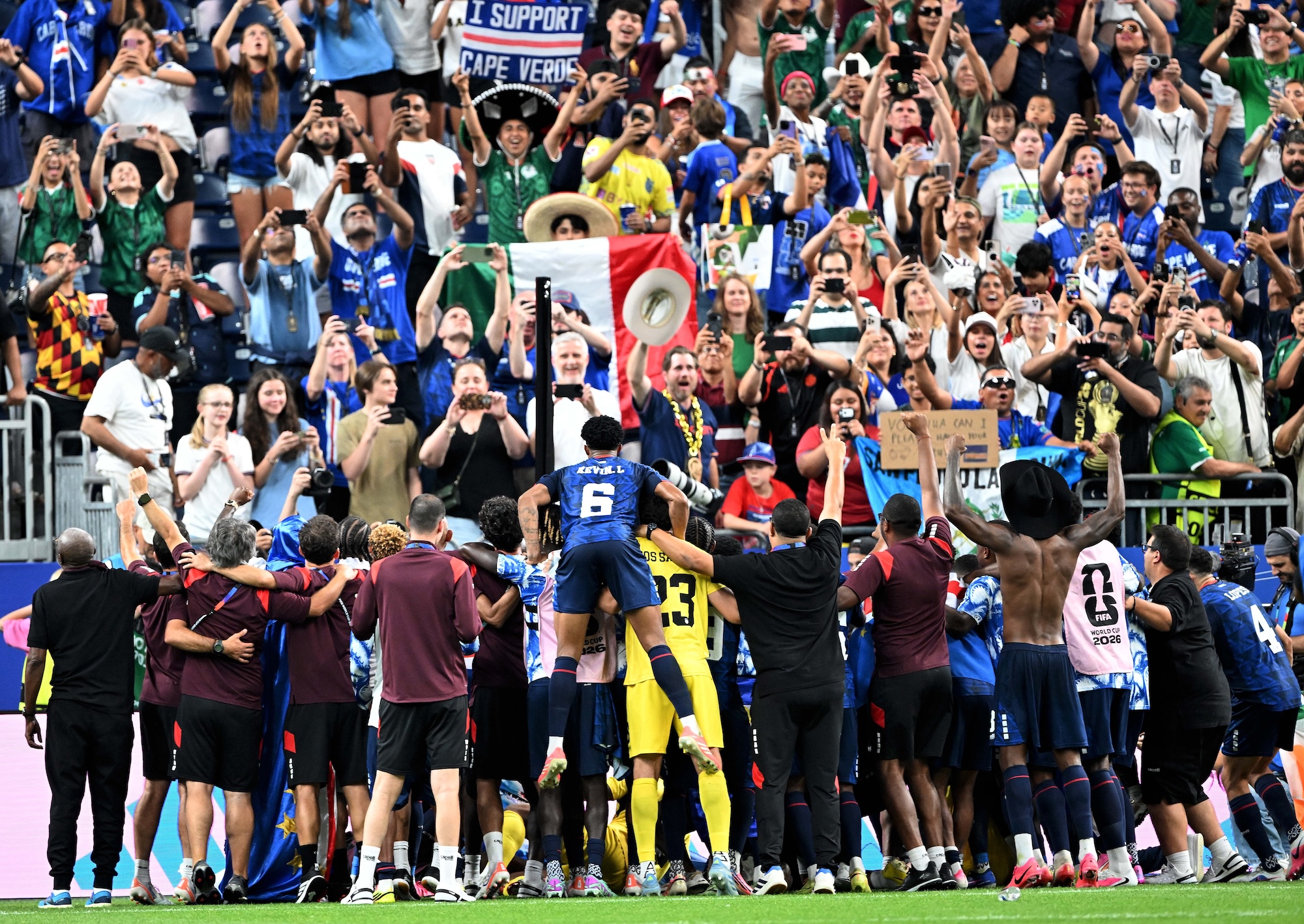
In three group matches, Cape Verde remained undefeated — holding former world champions Spain and Uruguay to draws, while securing a solid point against Saudi Arabia. This was no fluke but the triumph of a precision tactical machine. The team deployed a compact 5-4-1 defensive block, compressing lines and sealing off channels, and when they won the ball back, they created danger with ruthlessly concise counterattacks. FIFA official data highlighted the historical weight of this miracle: Under the expanded 48-team format, Cape Verde is the smallest nation by population to reach the knockout stage, now facing defending champions Argentina led by Messi, the World Cup's all-time leading scorer.
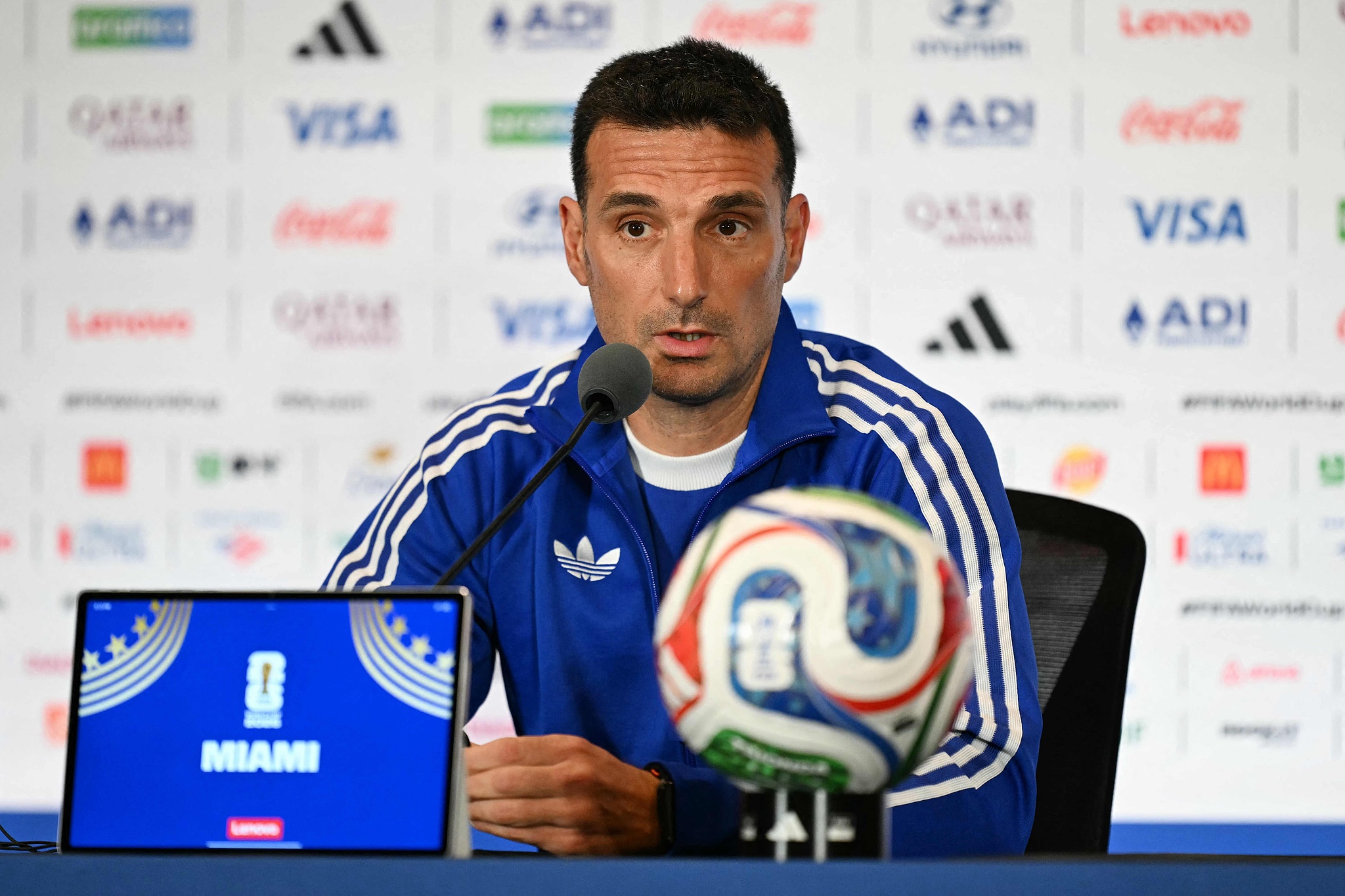
Argentina head coach Scaloni stated bluntly at the pre-match press conference: "Their advancement was no accident. We have been studying them for a long time. This is a real team with solid defense and sharp counterattacks."
Knockout Stage Challenge Against the Reigning Champion
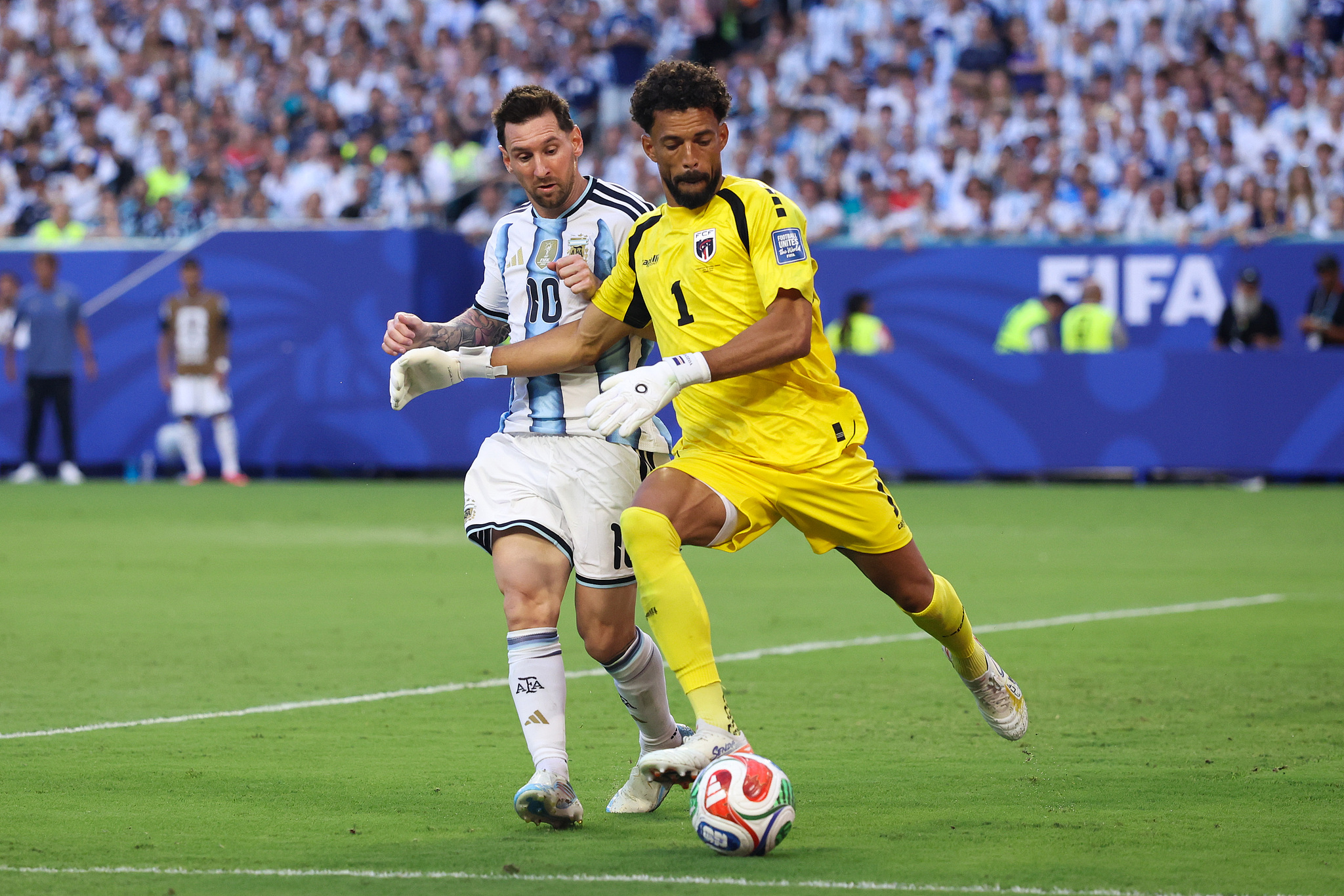
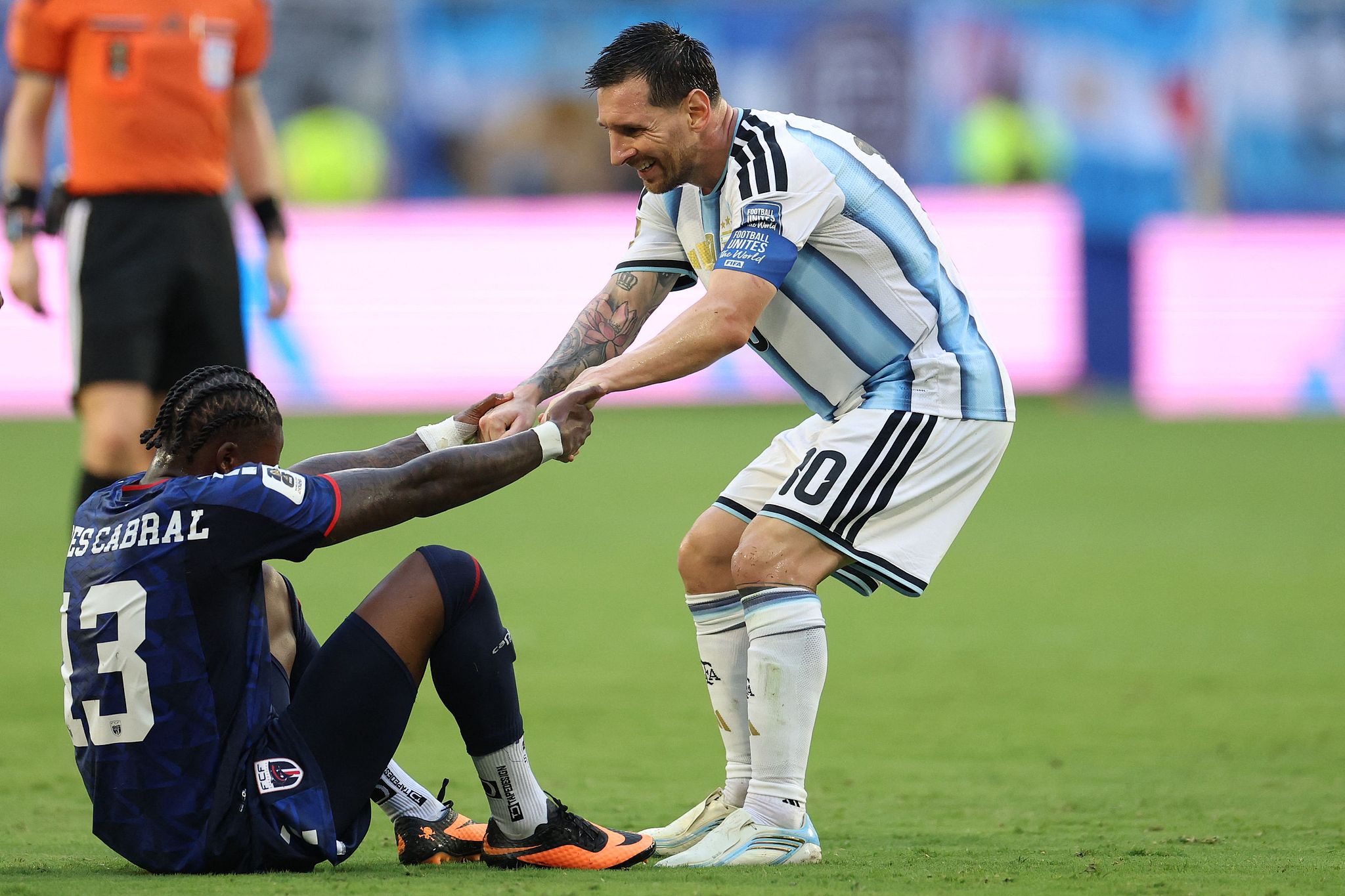
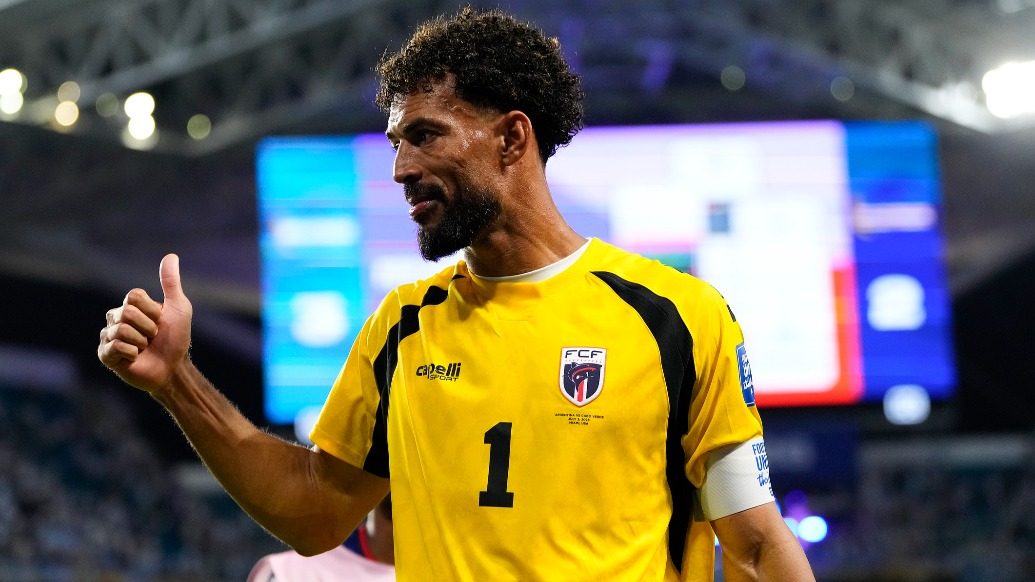
When the draw was revealed, Cape Verde stood before defending champions Argentina. Pre-match sentiment overwhelmingly favored Cape Verde, with many Spanish and Uruguayan fans also cheering for this dark horse team. The media framed this match as "Messi vs. the Fairy Tale," while the potential duel between 40-year-old Cape Verde goalkeeper Vozinha and 39-year-old Messi in the penalty area was hyped as a "last dance" age narrative.
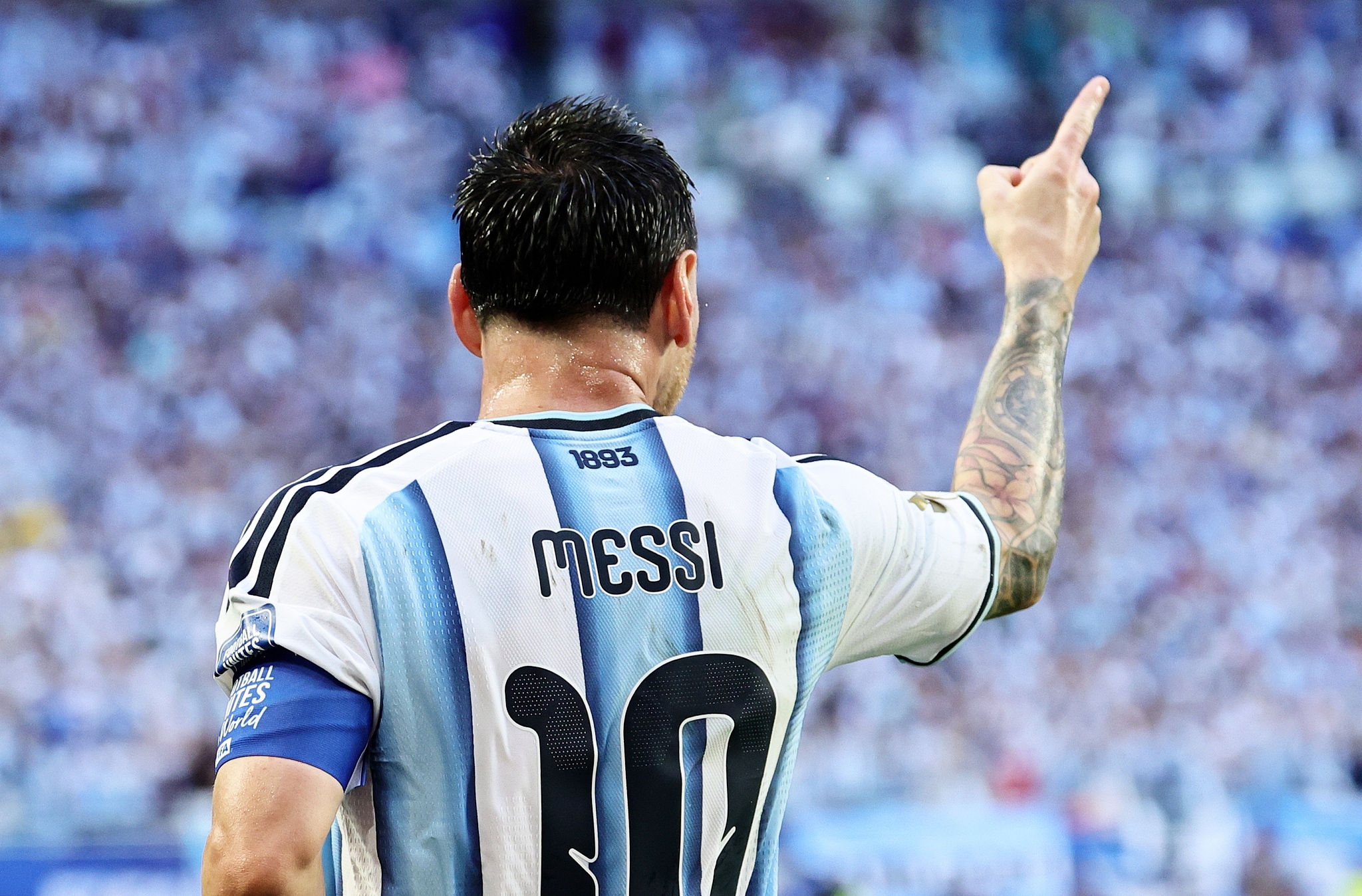
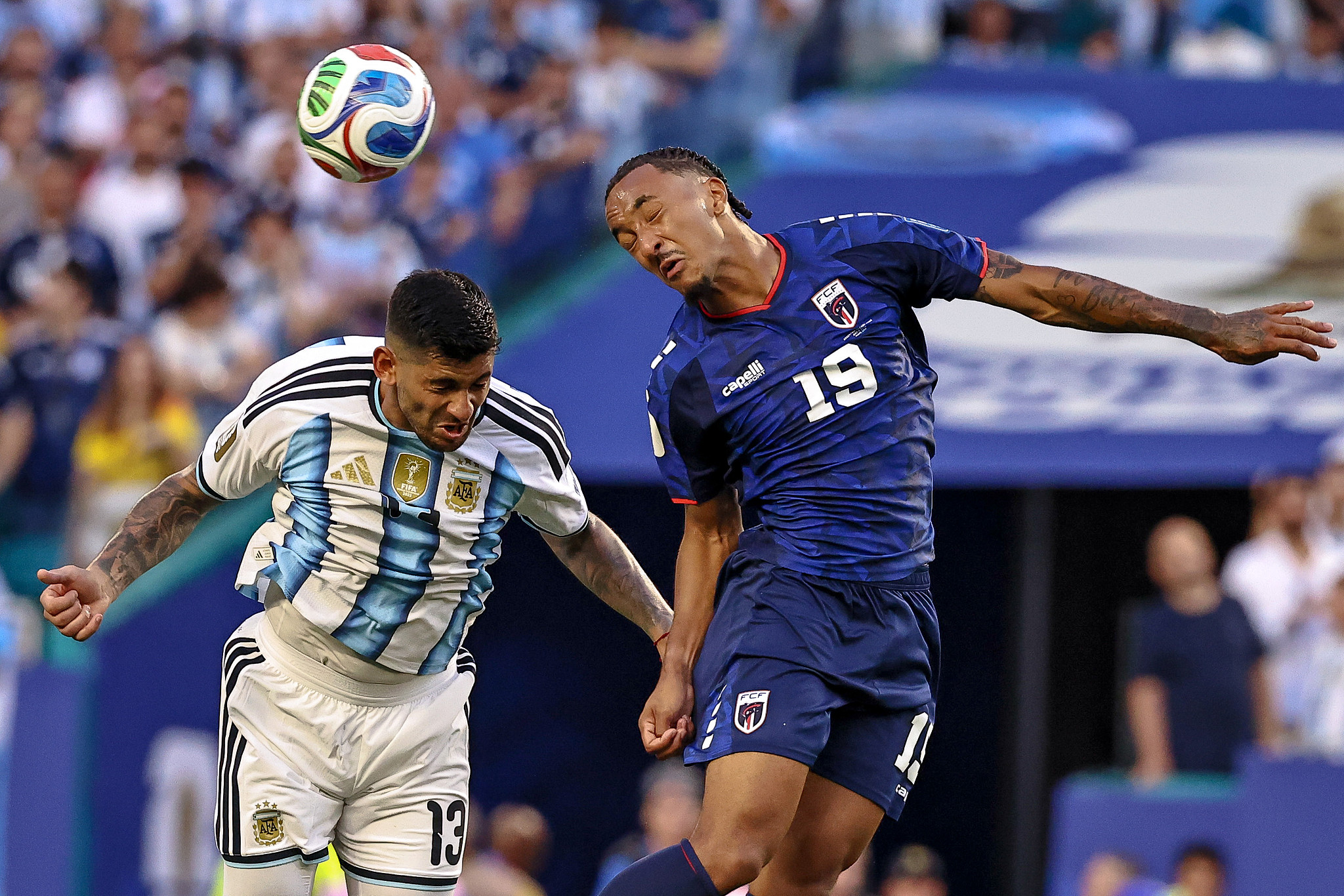
But Cape Verde was not content to play the supporting role. After kickoff, they astonishingly opened up and traded attacks with Argentina. In the first ten minutes, Cape Verde briefly led in possession share. Argentina, meanwhile, was mired in a slow start, with frequent midfield passing errors and nearly paralyzed build-up play. In the 29th minute, Messi received a long ball and chipped it home, pushing his personal World Cup goal tally to 20.
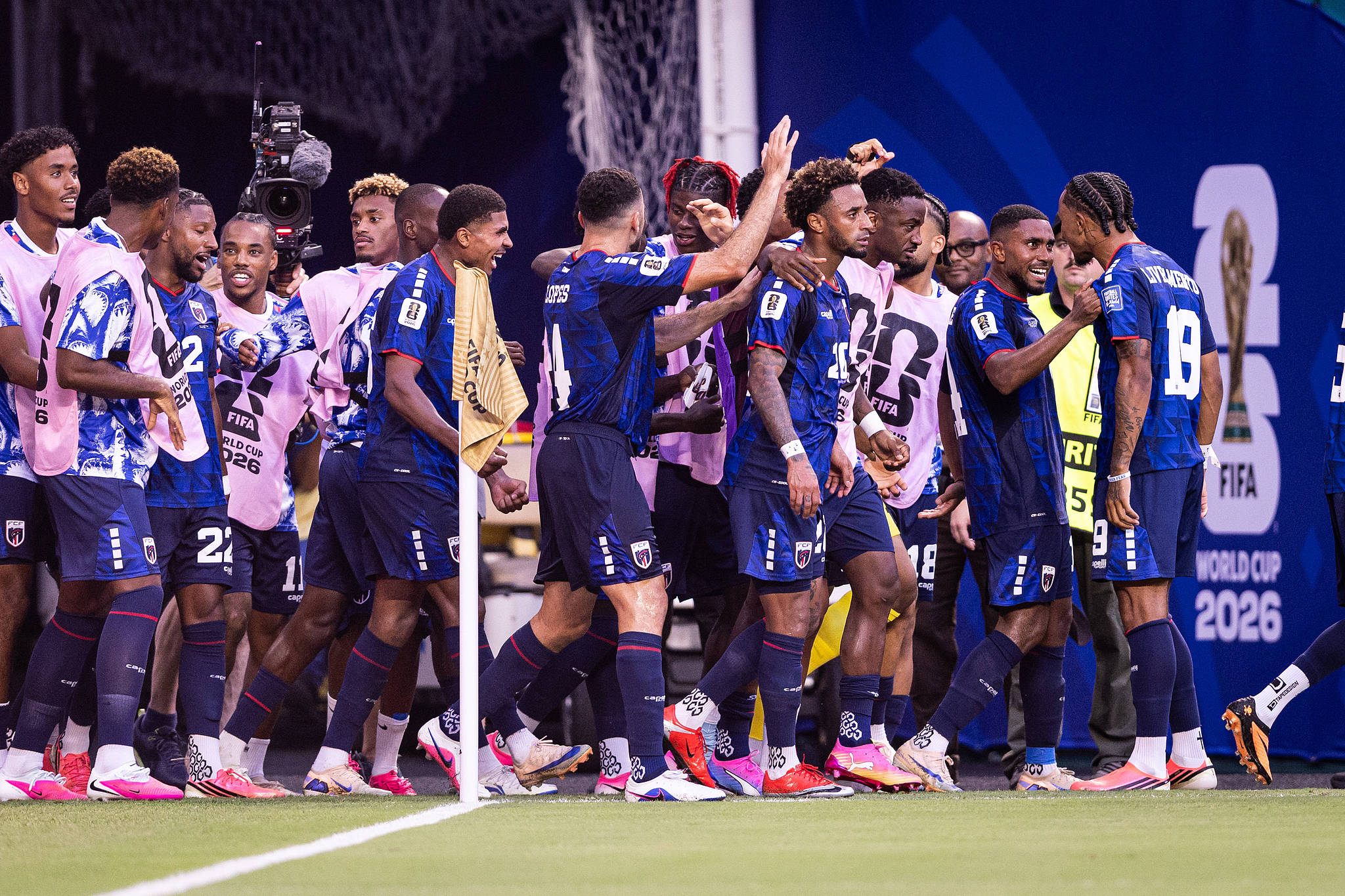
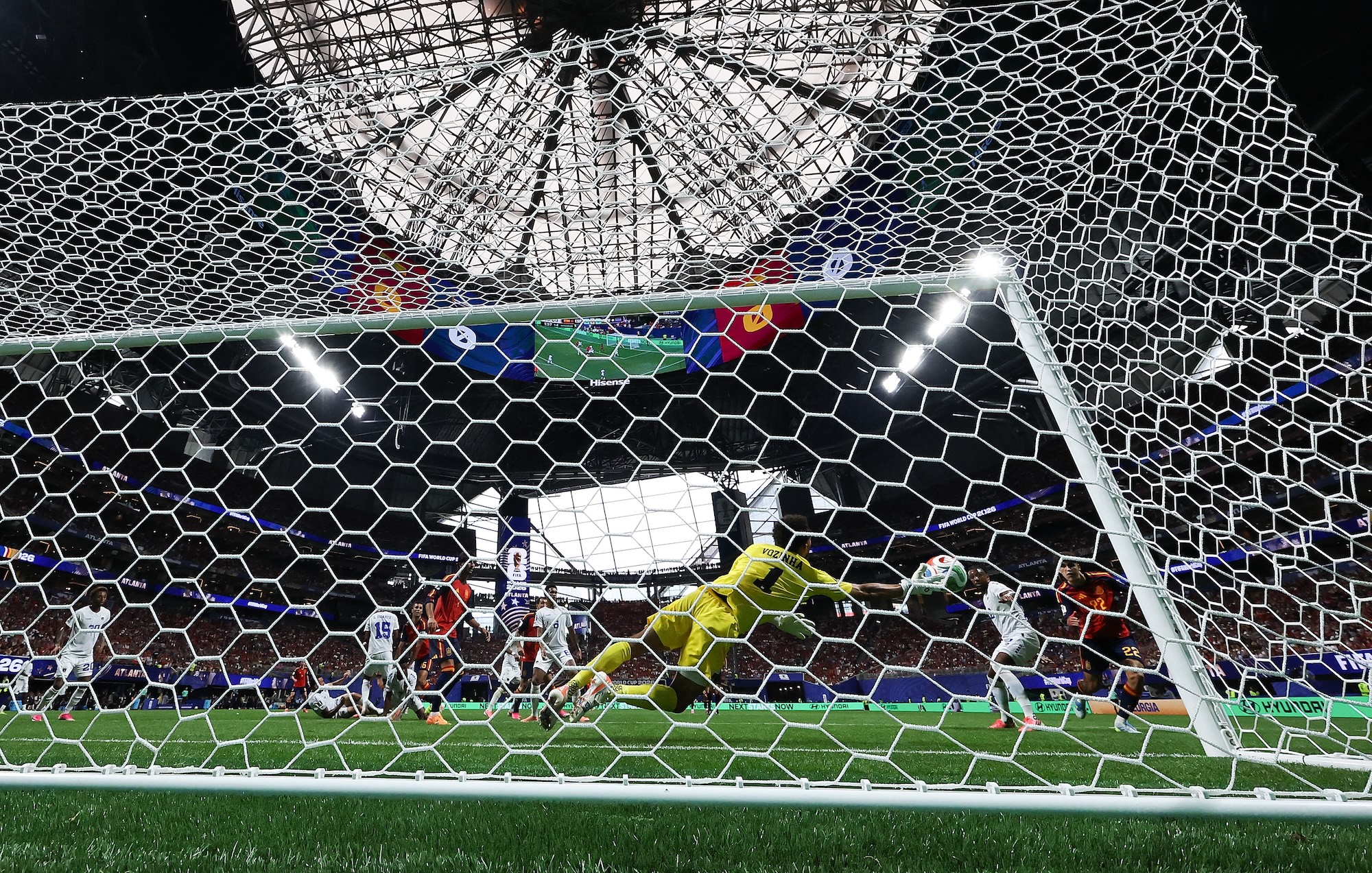
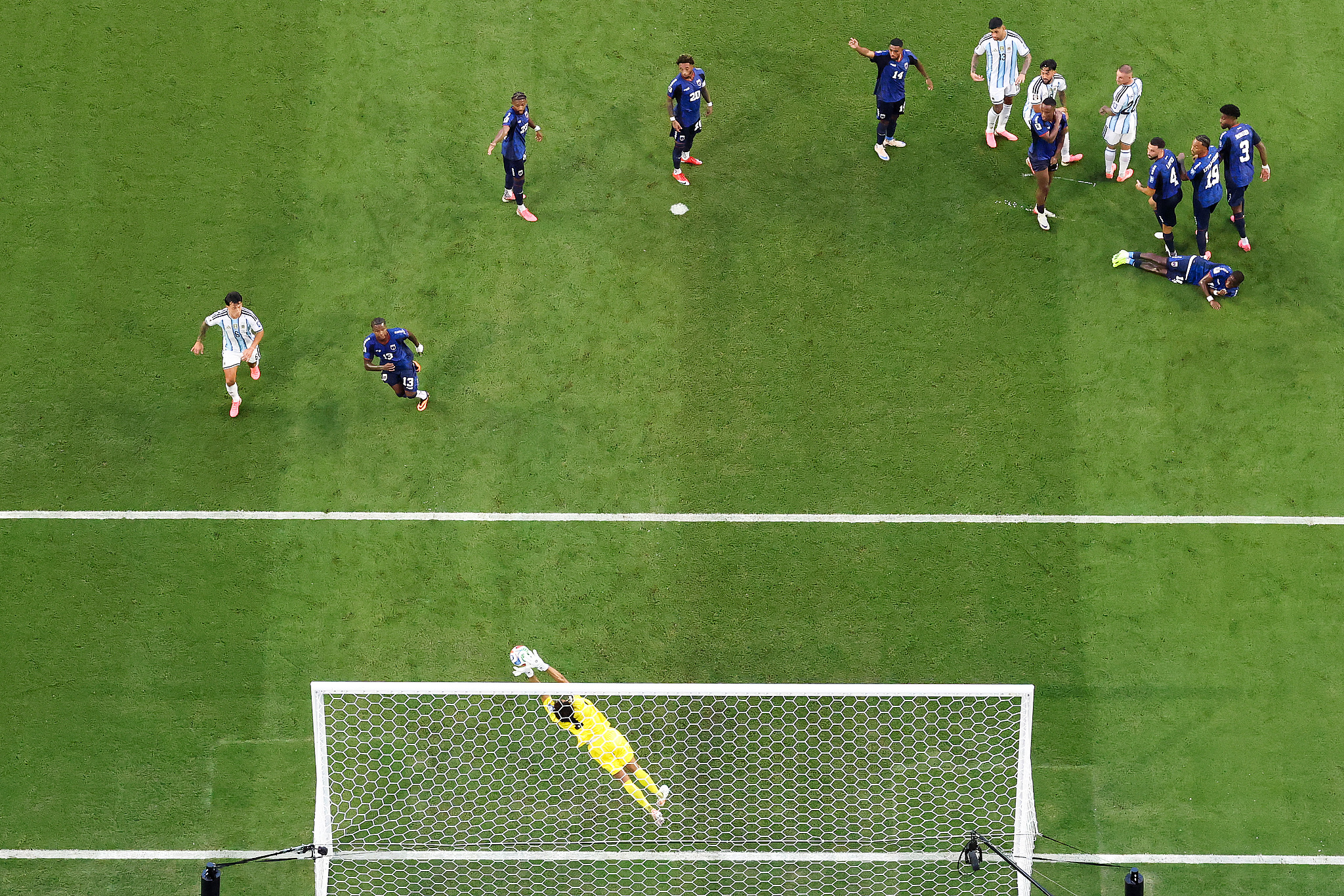
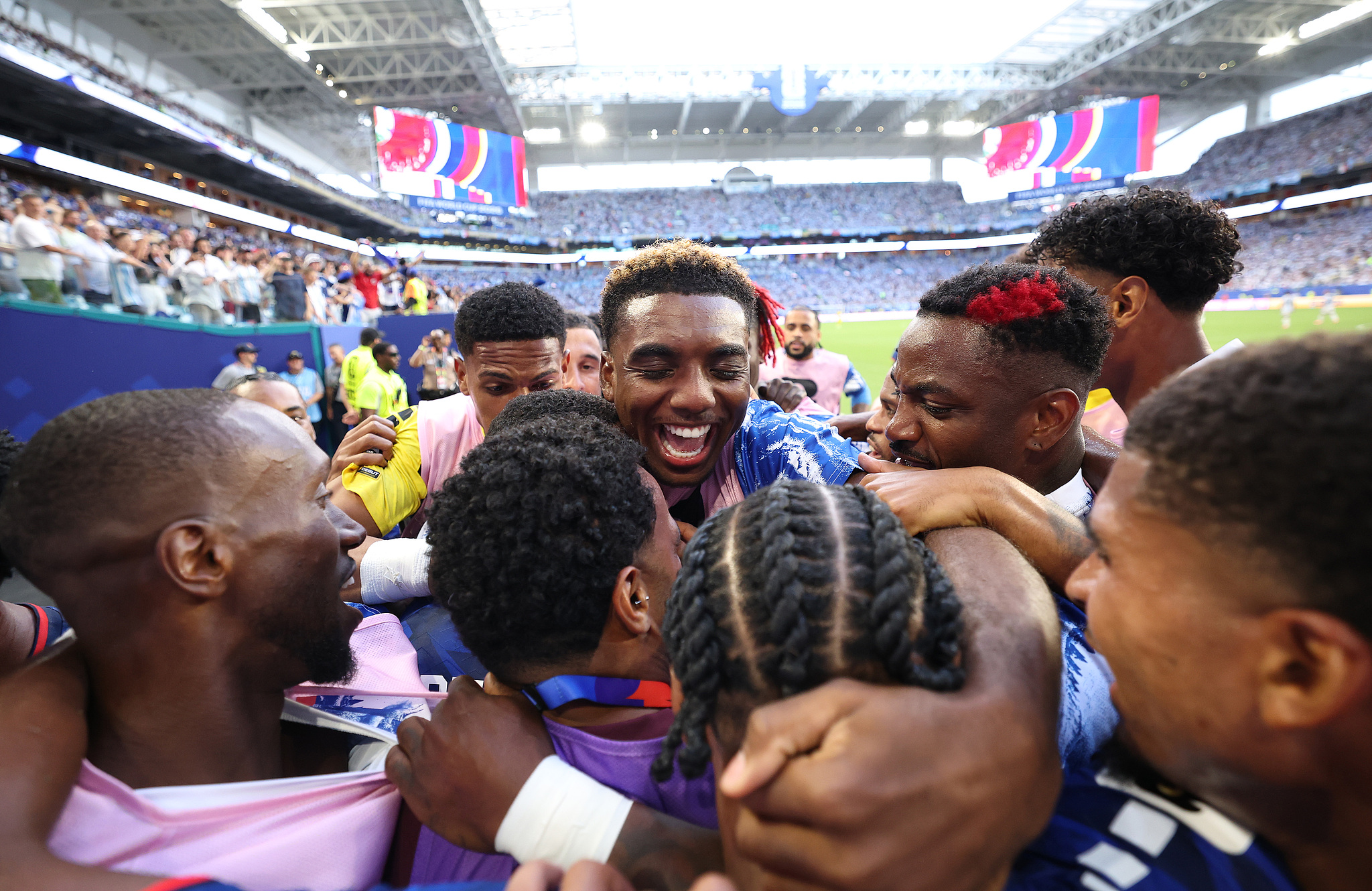
In the second half, Cape Verde intensified their attack and dominated Argentina early in the half. In the 59th minute, Ryan Mendes crossed from the right, and an unmarked Deroy Duarte slotted home at the far post, sending the stadium into a frenzy. Argentina, now level, launched a ferocious counterattack, but Vozinha stood tall, saving a close-range Messi shot and two tricky direct free kicks, dragging the match into extra time.
Fighting Tenaciously Until the Last Moment
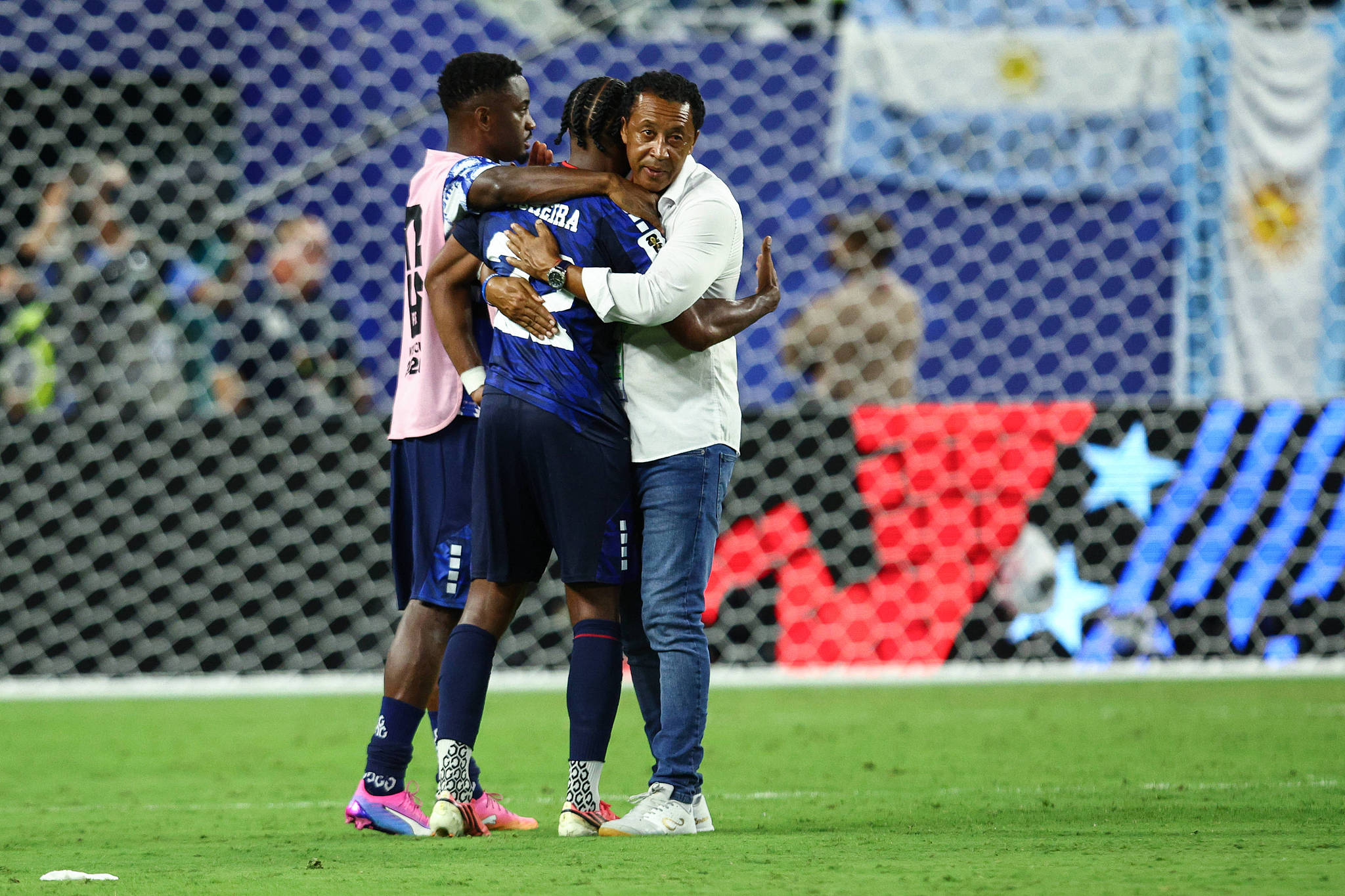
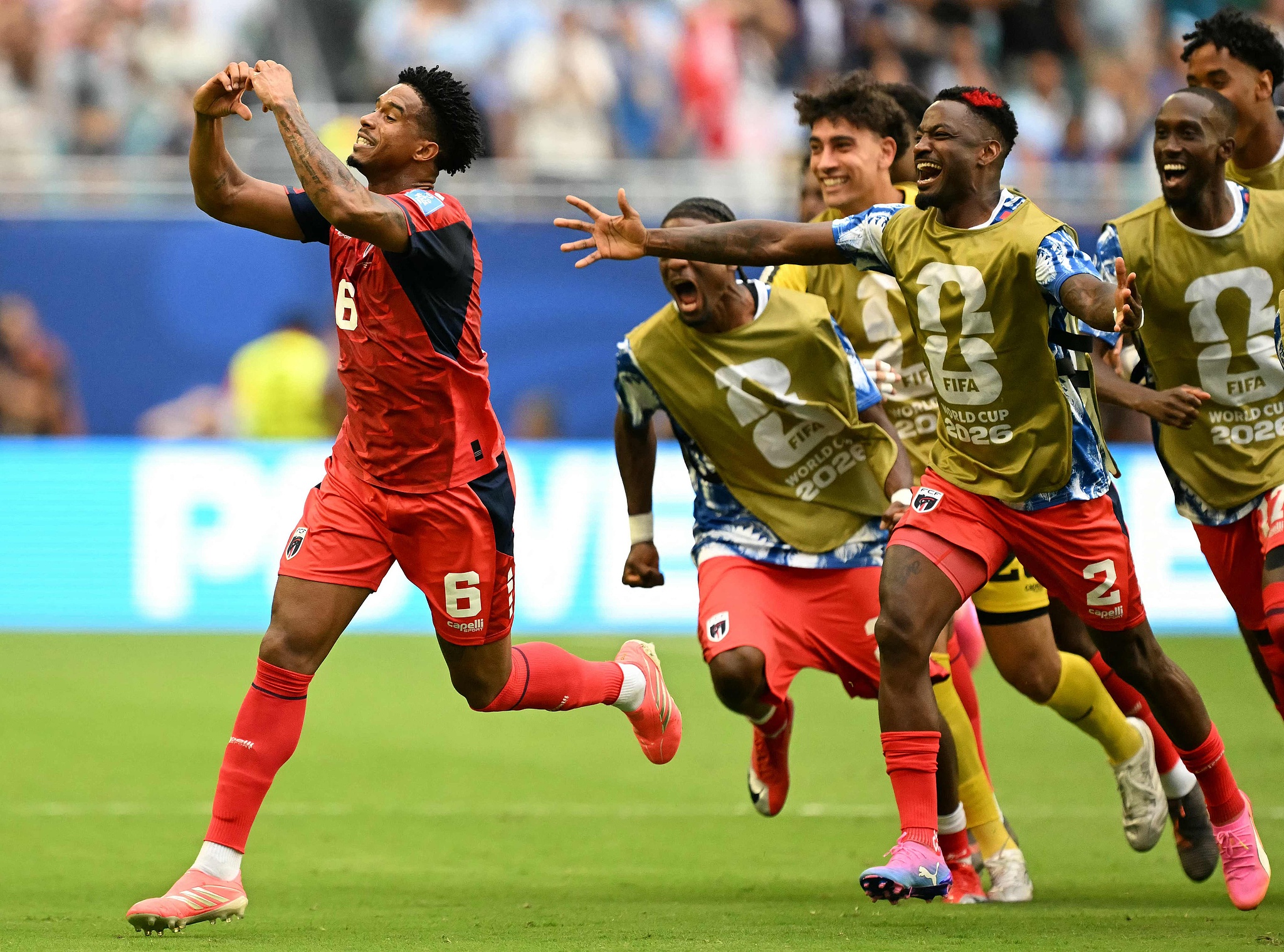
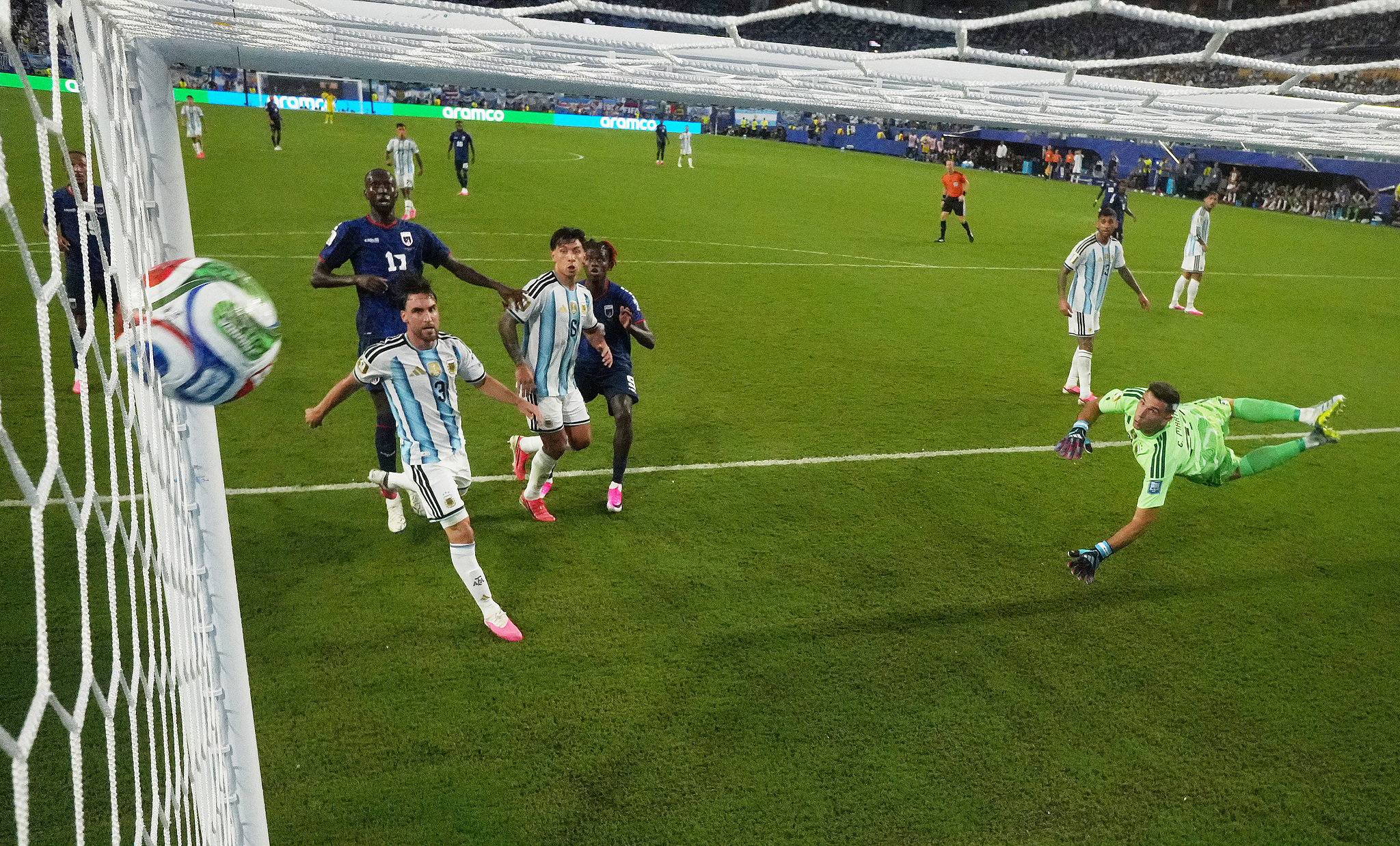
Just two minutes into extra time, Argentina took the lead again through Lisandro Martinez from a corner. But Cape Verde showed breathtaking resilience. In the 103rd minute, full-back Lopes Cabral shook off his marker at the edge of the box and unleashed a stunning long-range strike that curled into the top corner, leveling the score once more. This goal not only gave Cape Verde their first-ever World Cup knockout stage goal but also declared to the world: they were not here just to make up the numbers — they came to rewrite the script.