world
Jiang Fangzhou Responds to Tsinghua Professor's Accusations of Thesis Fraud: Please Stop Defamatory Reports
Young writer Jiang Fangzhou published a post on her personal WeChat account on July 4, titled "Please Stop the Cyberbullying, Slander, and Defamatory Accusations, Tsinghua Professor." The full text is as follows:
Professor Xiao Ying has listed 23 charges of "fraud" against my master's thesis.
Among them, a large number of the charges are seriously untrue. Here are just a few examples.
- Treating common knowledge as "plagiarism"
Professor Xiao Ying's accusation: The opening of my thesis abstract has a "high degree of textual overlap" with another paper, constituting unattributed plagiarism. Fact: The first sentence of my abstract reads — "Mary Shelley (1797–1851) is the author of the famous Gothic novel and the world's first science fiction novel, Frankenstein." These are names, book titles, and genre labels. Anyone in the world introducing this book would have to use this kind of description.
- Treating genuine citations as "fabrication"
Professor Xiao Ying's accusation: The epigraph from Milton's Paradise Lost cited in my thesis constitutes "false fabrication," with an extremely high degree of falsity. Fact: This epigraph has been printed on the title page of Frankenstein since its first edition in 1818, for over two hundred years. Calling it "false fabrication" is completely unfounded.
- Using AI chat screenshots as evidence
Professor Xiao Ying's accusation: My summary of the plot of The Last Man constitutes "multiple mistranslations," with a medium degree of falsity. Fact: That passage is my summary of the content of The Last Man. The novel is set in late 21st-century Britain, and the replacement of monarchy with a republic is a core setting in the opening pages. My summary is based on the original text — there is neither "mistranslation" nor "fabrication." It must be pointed out seriously: the accuser used a ChatGPT response screenshot as "evidence" — using a chatbot's output to accuse a thesis written in 2018–2019 of "fraud." Such material has no academic evidentiary validity whatsoever, and its very appearance reflects the arbitrary nature of this accusation's fact-gathering.
- Treating plot summary as fabrication
Professor Xiao Ying's accusation: My summary of the plot of Mary Shelley's Mathilda constitutes "falsification," with a high degree of falsity. What he labeled as "fabrication" includes: the father's incestuous love for his daughter, the appearance of a young suitor, the daughter's questioning, and the father's suicide by drowning. Fact: Every single one of these plot points is written in the novel. This novel still has no Chinese translation to this day — accusing a book's plot of being "fabricated" can only mean one thing: the accuser has not read the book. The same applies to his accusation of "confused fabrication" regarding the plot summary of Never Let Me Go — in all cases, Professor Xiao Ying had not read the original works and judged the plot as "fraudulent" based only on the back covers.
- Treating normal citations as fabrication
Professor Xiao Ying's accusation: My citation from William Godwin's Enquiry Concerning Political Justice constitutes "fabrication/forgery." Fact: The evidence he himself presented shows that my citation matches the Commercial Press 1980 edition, pages 85–86, sentence by sentence — his evidence images do not mark a single word of "fabrication" by me.
- Treating personal opinions as academic standards
Professor Xiao Ying's accusation: When my thesis discusses the three books the monster reads (Paradise Lost, Lives of the Noble Grecians and Romans, The Sorrows of Young Werther), the order of discussion differs from the order the books appear in the novel, constituting "fraud." Fact: This passage is the author's summary and interpretation of the plot in Frankenstein where the monster finds and reads three books. All three books — Paradise Lost, Lives of the Noble Grecians and Romans, The Sorrows of Young Werther — genuinely appear in the original novel, and the titles, plot details, and insights gained all match the original. The thesis arranged the order of discussion according to the needs of the argument, which is a matter of writing structure and reasoning, not involving the authenticity of any citation, annotation, or bibliographic information, and has nothing to do with "fraud." As for how the monster's psychological development should be interpreted, Professor Xiao Ying is entitled to his own understanding, but differences in academic interpretation are matters of scholarly debate, not "academic misconduct." Calling interpretations that differ from one's own "fraud" blurs the boundary between academic criticism and academic censorship.
On this basis, here is my direct response to Professor Xiao Ying's four core accusations: First, the accusation of "plagiarism" and "ghostwriting" — not established. Each item cited is either a statement of common knowledge or a citation with a clear source where the bibliography has issues of edition mislabeling or omitted secondary citations. The author did not appropriate anyone else's original expression; all passages accused of "plagiarism" are clearly marked as citations in the thesis, and their actual sources are fully traceable.
Second, the accusation of "wholesale fabrication," "complete invention," and "fabricated English citations" — not established. From the preface and epigraph of Frankenstein, to passages from The Last Man and Mathilda, to Shelley's poetry, Mary Shelley's letters and diaries, and Woolf's essays — every English text genuinely appears in the original works. Apart from one instance where diary and letter materials were combined in retelling, there is no fabrication whatsoever.
Third, the accusation of "using AI to write" — not established.
The thesis was written in 2018–2019, when generative AI tools usable for thesis writing simply did not exist (ChatGPT was not released until November 2022). I did not use any AI or other technical means to assist in writing. On the contrary, it is Professor Xiao Ying who repeatedly used AI in his "fraud-busting" process, leading to numerous hallucinations and errors.
Fourth, the accusation of "ghostwriting" and "buying papers" — not established.
For this most serious accusation, Professor Xiao Ying has provided no evidence whatsoever. The author has been continuously researching Mary Shelley since 2018, has written related manuscript drafts (66,000 characters of publicly verifiable text), and has studied Mary Shelley from multiple perspectives. The thesis's research questions and material organization are consistent with the author's publicly available research and writing. An accusation without evidence should not be made, and still less should it be believed.
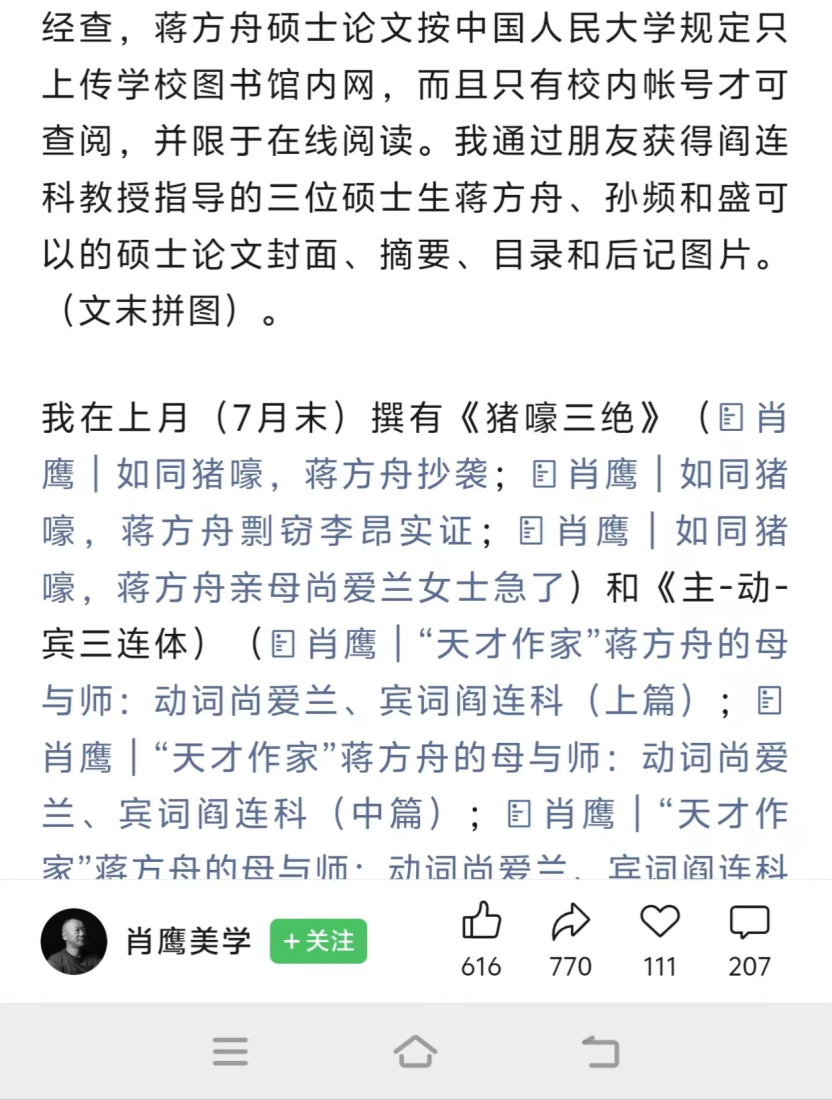
Fifth, the accusation of "emergency removal from CNKI" — not established. My thesis has never been on CNKI; it was only published on the campus website, accessible to those with a campus account. Therefore there was no so-called "emergency removal from CNKI" or any such action.
In summary, there are issues of irregular citation formatting in the thesis writing process, and I am willing to accept appropriate criticism and normative assessment. However, the thesis does not involve any of the following academic misconduct: plagiarism, copyediting theft, appropriation, fabrication of citations, AI writing, ghostwriting, or paper buying. Professor Xiao Ying's accusations contain systematic exaggeration and misrepresentation: calling edition mislabeling "fraud," calling translation debates "fabrication and falsification," calling plot summary "fictitious documentation," and defaming different textual interpretations as the author's "lack of graduate-level literary cognition." Professor Xiao Ying may not have carefully read any of the novels or scholarly works cited in the author's thesis, relying solely on AI to make fragmented accusations of academic misconduct. Moreover, throughout the lengthy accusation process, due to AI hallucinations, a large number of erroneous, false, and exaggerated accusations have appeared. Regarding these seriously false accusations that are sufficient to damage the author's reputation, the author hereby explicitly and resolutely denies them, and reserves the right to protect her reputation and lawful rights and interests through legal channels.
请肖鹰教授停止对我的网暴、造黄谣和造谣污蔑等行为!
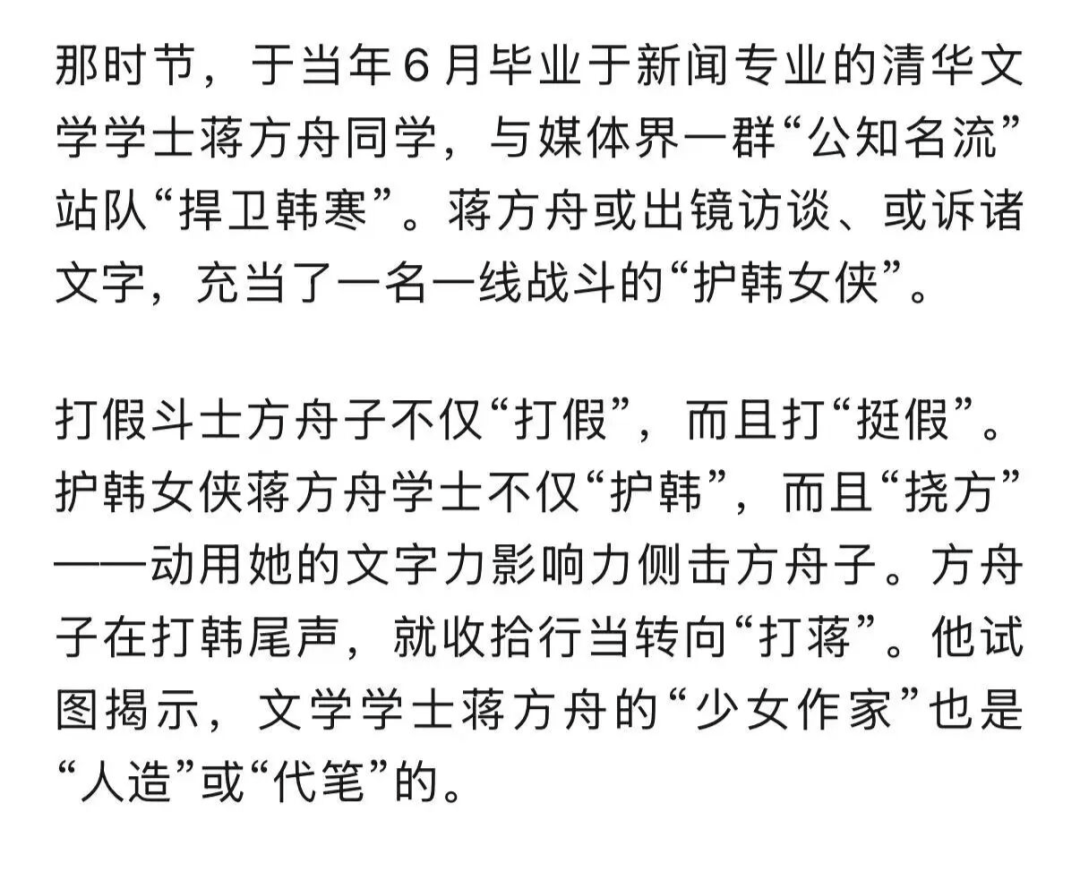
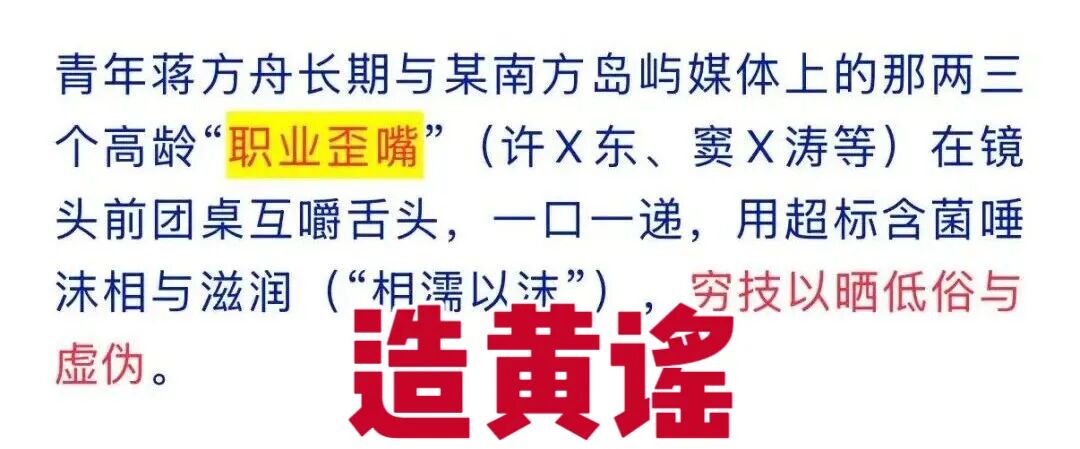
自2025年7月起,肖鹰以其实名认证的微信公众号"肖鹰美学"为主要阵地,对我实施了长达一年、至今仍在持续的系统性网络暴力。其行为包括但不限于:造黄谣、编造、散布针对本人的涉性谣言;公开羞辱本人家庭成员;非法获取并公开散播本人及其他在校学生的学号等个人信息;以严重失实的"学术打假"为名,对本人进行持续的名誉侵害。我作为清华大学毕业生。一名在职教授动用其学术身份与平台影响力,对本校毕业的学生进行长达一年的公开羞辱与谣言攻击,这已远远超出学术批评的范畴。我在校期间从未选修肖鹰教授的任何课程,与其素无往来,亦无任何私人恩怨。只是在他网暴行为后,我对围绕肖鹰教授的一些公开新闻进行了检索。
部分结果如下:
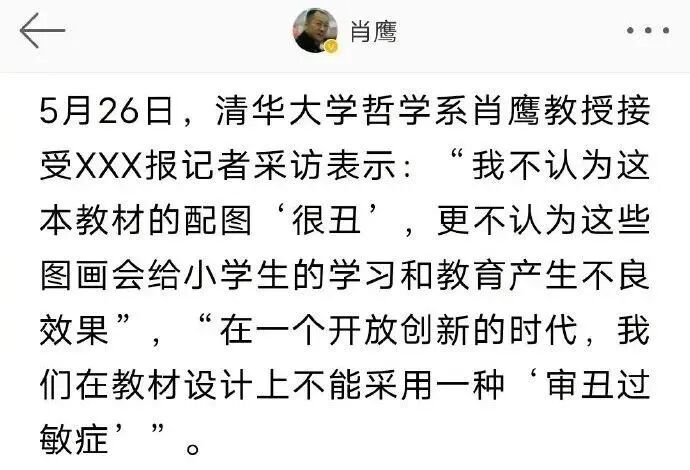
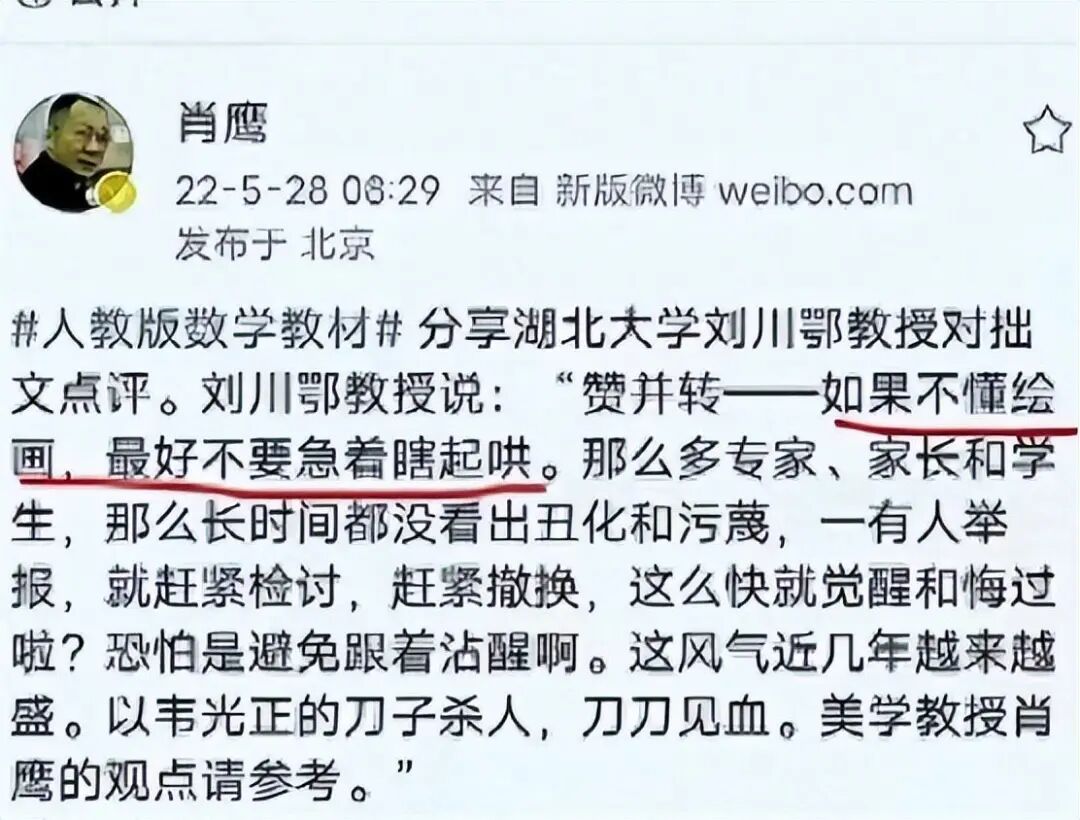
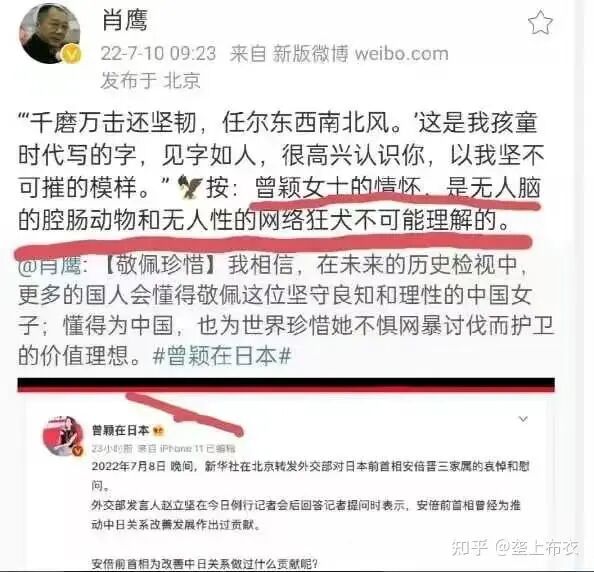
为"清华毒教材"辩护并辱骂国人为腔肠动物、赞扬因安倍晋三遇刺而哭泣的女记者并辱骂国人为无人性的网络吠犬等、发表《"天才韩寒"是当代文坛的最大丑闻》、暗讽马东"脑残"、发表文章称"赵本山代表的是狭隘的农民意识"等。
肖鹰教授多年来以言辞激烈的"文化批评"著称,曾长期公开攻击多位作家与公众人物。对我的攻击,起因仅仅是他认定本人曾"为韩寒辩护"——而事实上,本人与韩寒除参加过一次电影首映活动外并无任何交集。即便本人确曾发表过任何公共观点,公民的正常言论与社会交往,也绝不能成为一名大学教授对其实施长期网络暴力的理由。
肖鹰教授的攻击包括但不限于:
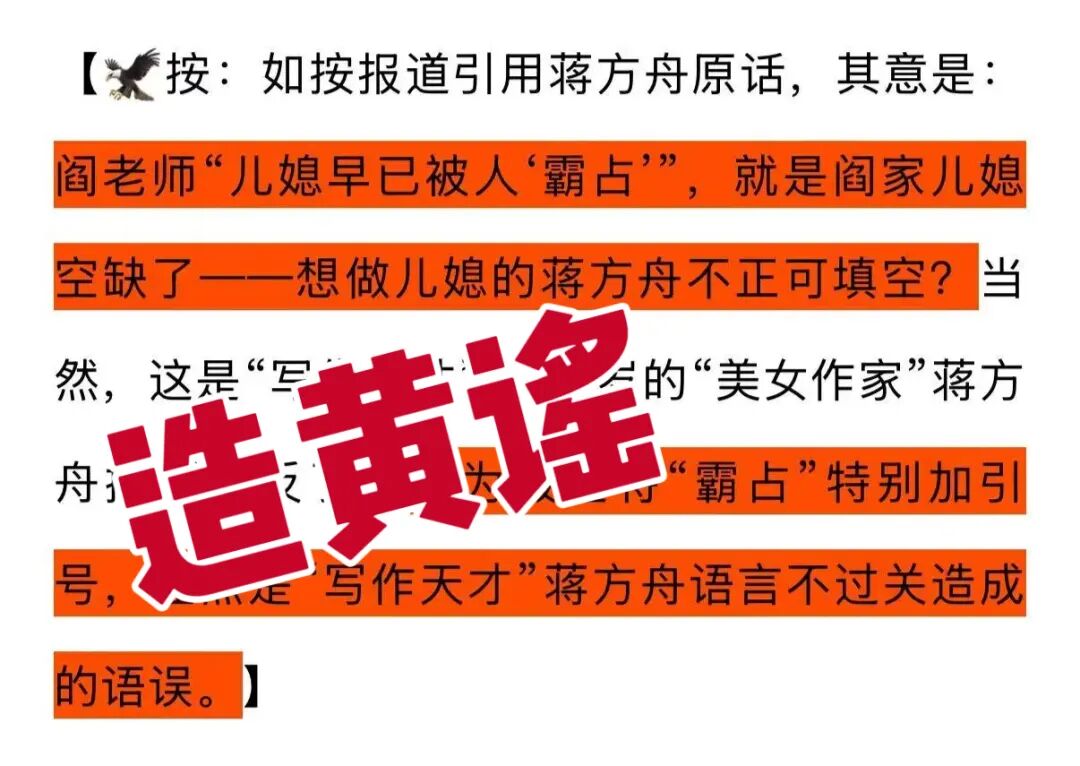
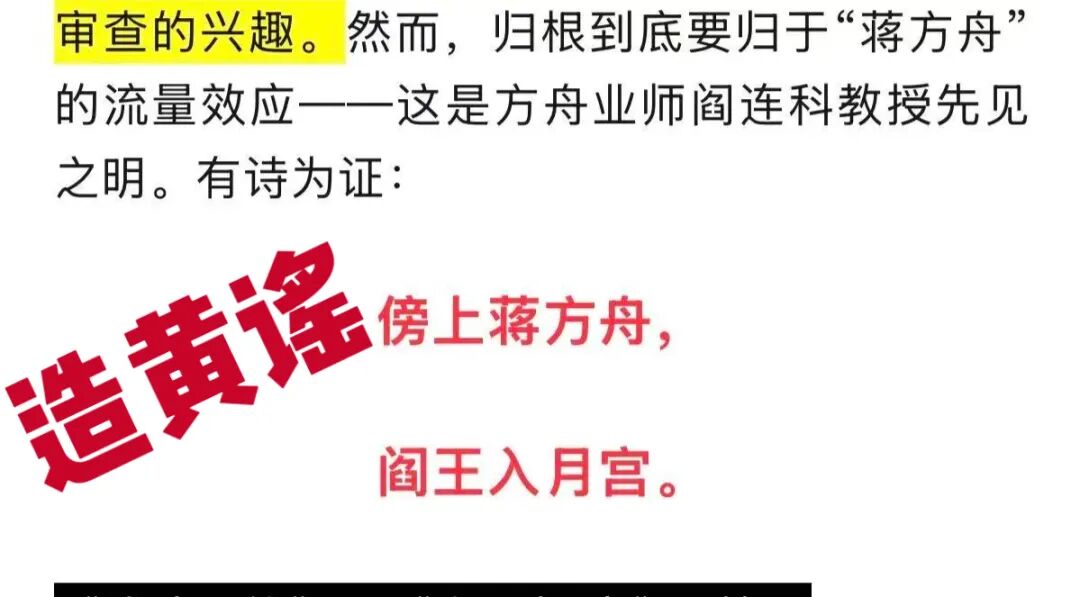
01、多次造黄谣。
包括但不限于:以极其猥琐的方式暗示我和其他工作伙伴、文坛前辈之间存在不当关系。
这类内容没有任何事实依据,纯属对一名女性作者最恶毒的性羞辱。以"性"为武器攻击女性,是网络暴力中性质最为恶劣的一种。更不应该是一个大学教授对其所毕业学校的学生所为。
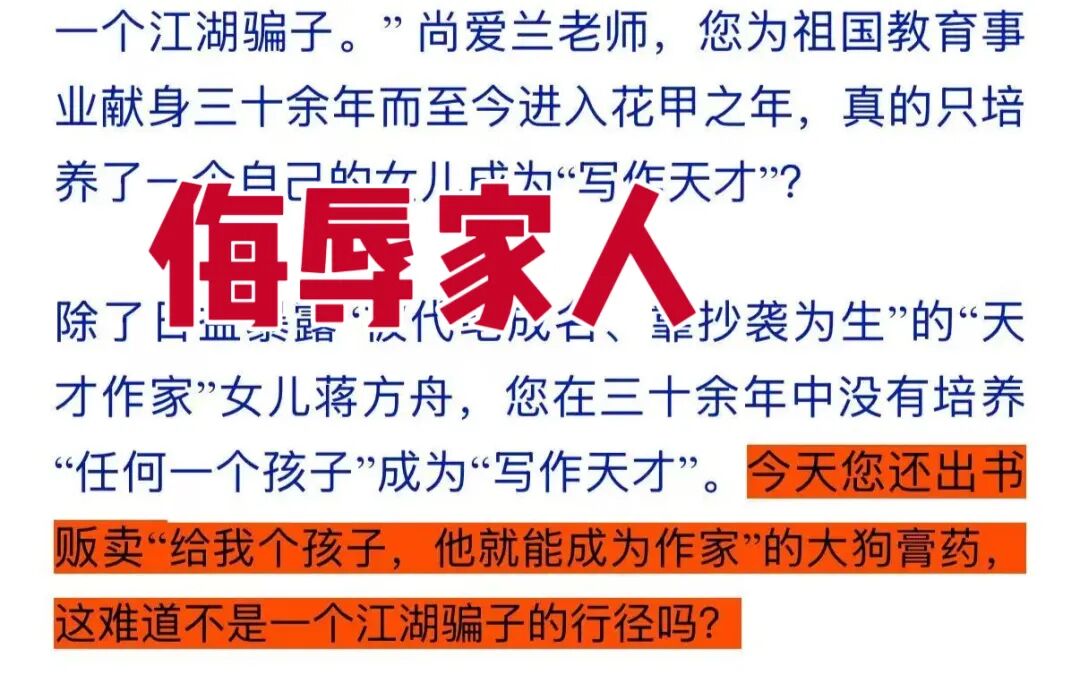
02、公开羞辱我的家人
将攻击范围扩大至我的母亲,进一步证明肖鹰教授的行为不是任何意义上的"批评",而是以羞辱和伤害为目的的人身攻击。
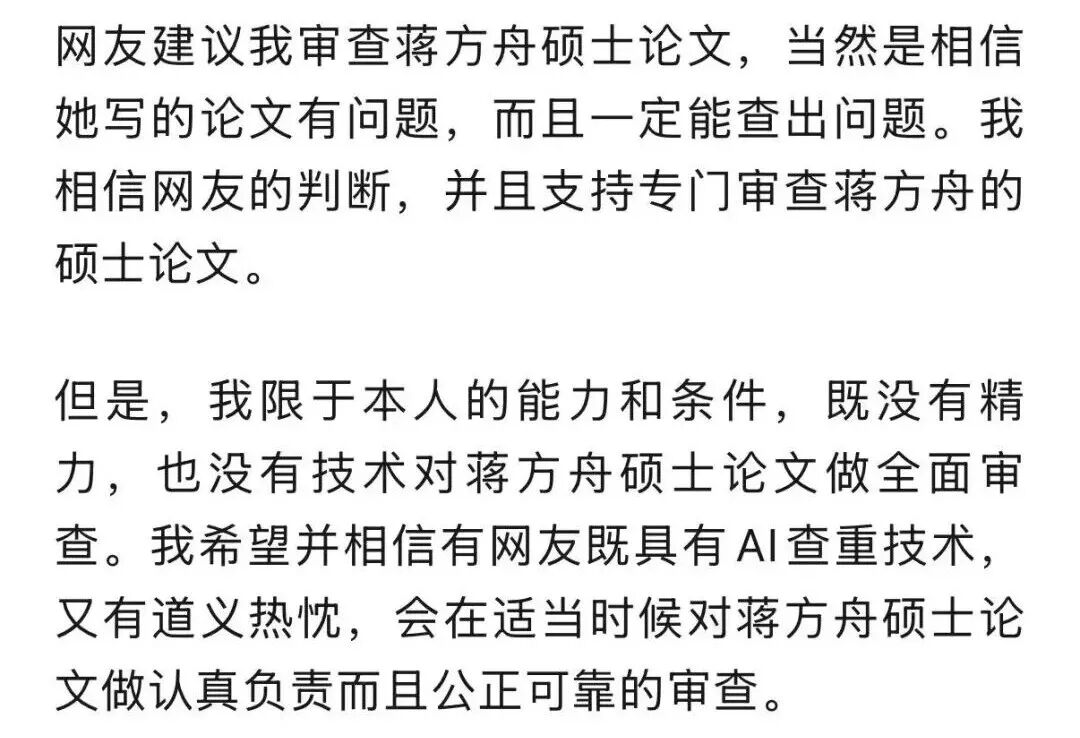
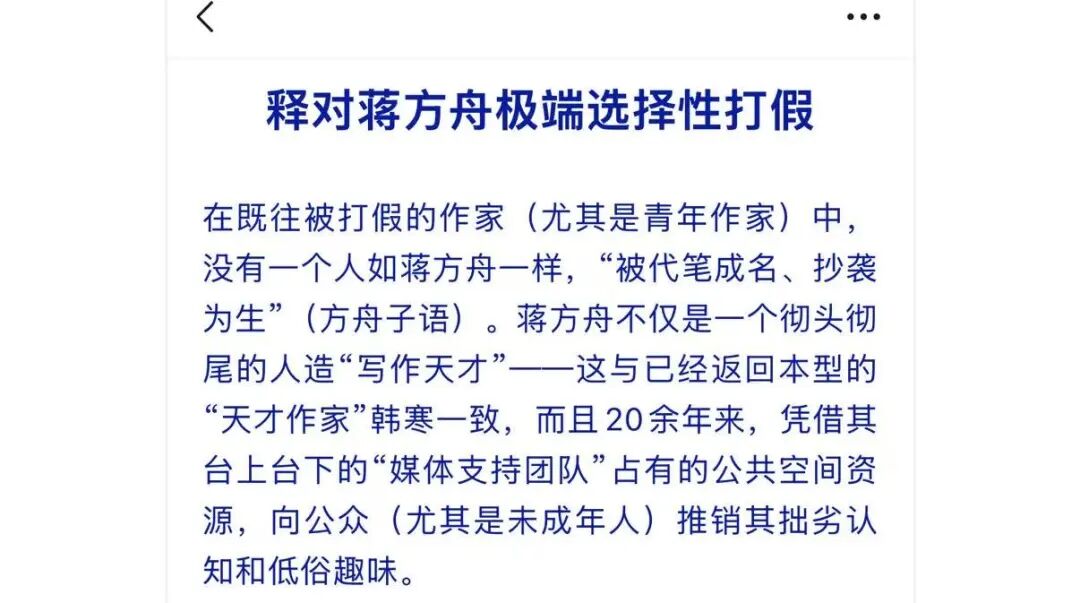
见长期的攻击和污蔑并无效果,今年四月以来,受到武大图书馆等事件的影响,肖鹰教授在网友的撺掇下开始对我的硕士论文"打假"。肖鹰教授多次强调自己是"极端选择性打假",说明他的目的并非捍卫学术的纯洁性,而仅仅是为了个人泄私愤。
关于泄私愤和"学术打假"的区分
关于肖鹰教授漏洞百出的"学术打假",我想说,学术批评是我尊重的事情。可是,造黄谣,侮辱他人的母亲,散播学生的学号,用聊天机器人的截图代替真实阅读,并不是真正的"学术打假"。"学术打假"不应该成为私人泄愤的借口。"学术打假"更不应该成为浪费学术资源、浪费纳税人钱财的工具。一个人可以被批评,但不应该被长期羞辱;一篇论文可以被审查,但不应该成为造谣和网暴的工具;一位高校教师更不应利用自己的身份和话语权,对一个并无现实交集的学生进行持续性公开围攻。
针对肖鹰教授的一系列网暴、造黄谣、泄露隐私的行为,我会通过正式渠道向清华大学相关机构提交材料,也会保留依法维护名誉权、隐私权和人格尊严的权利。