culture
Retracing the Heavenly Road: Where the Tracks Extend, Life Finds New Answers
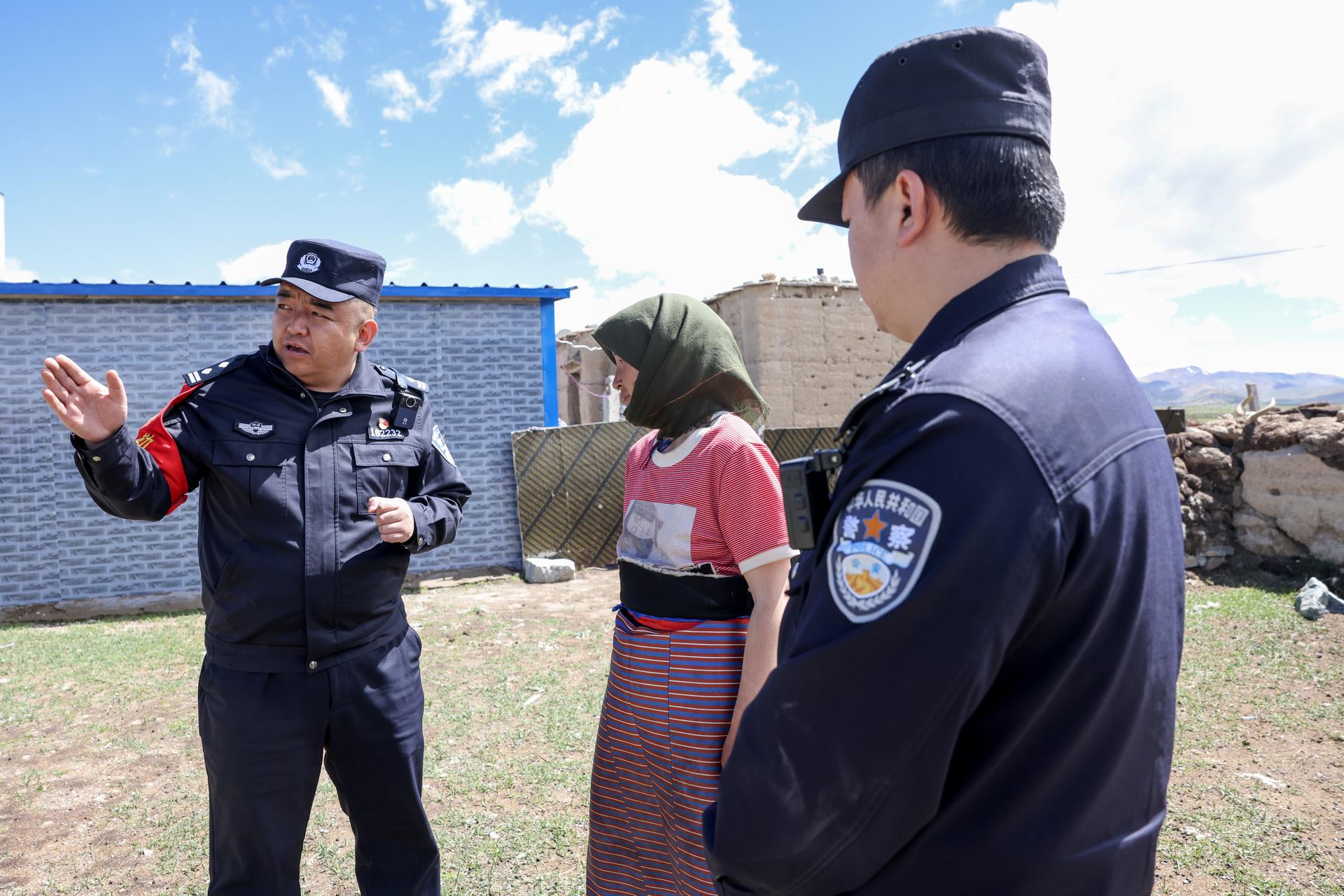
On June 30, 2026, the visit log of police officers Hou Guangyu and Chilai Jiangcuo from the Nagqu Station Police Station of the Qinghai-Tibet Railway Public Security Bureau added one more household.
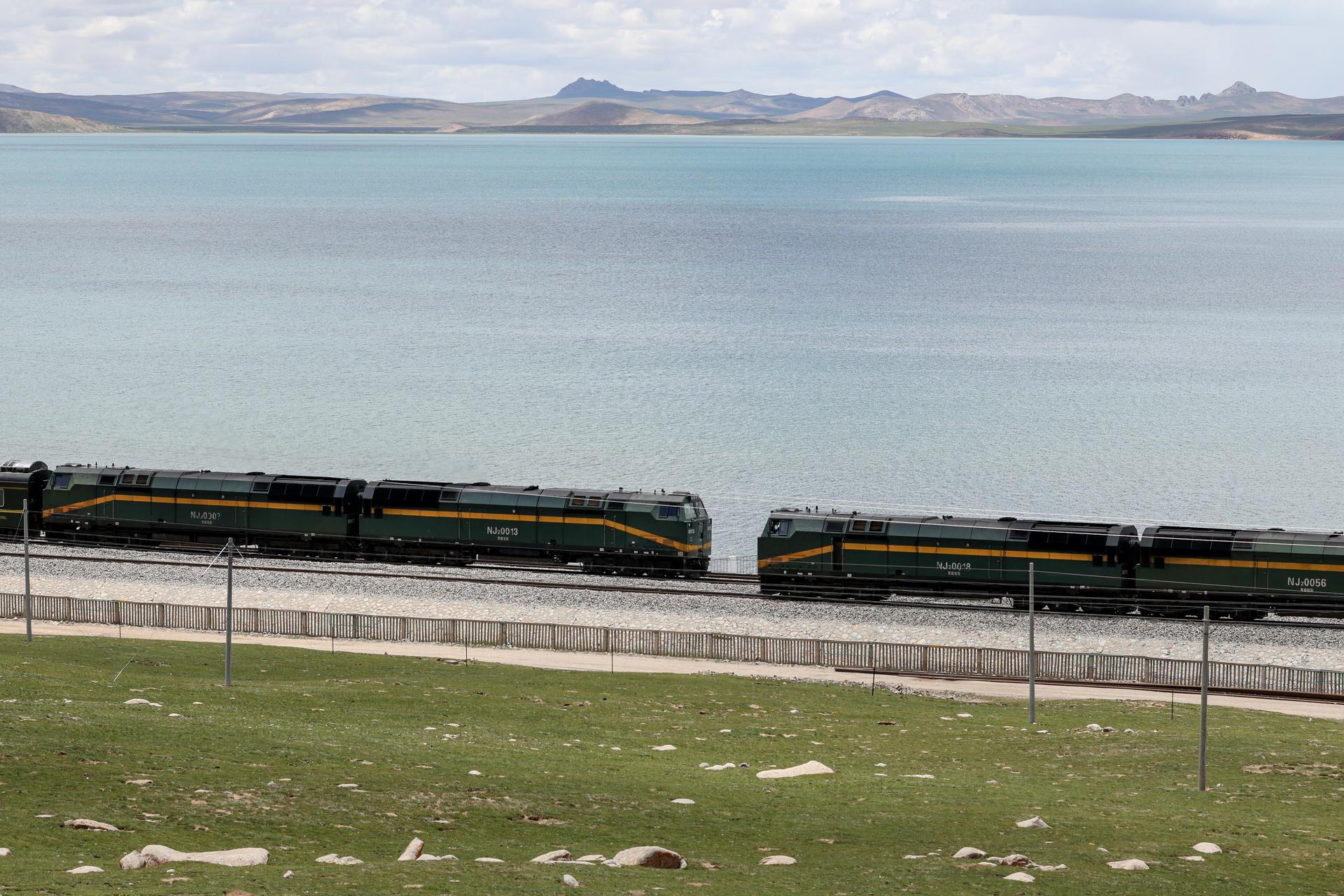
The Nagqu Station Police Station, at an altitude of 4,513 meters, guards the "Northern Gateway" of the Qinghai-Tibet Railway into Tibet, and also upholds the promise to every life on this land.
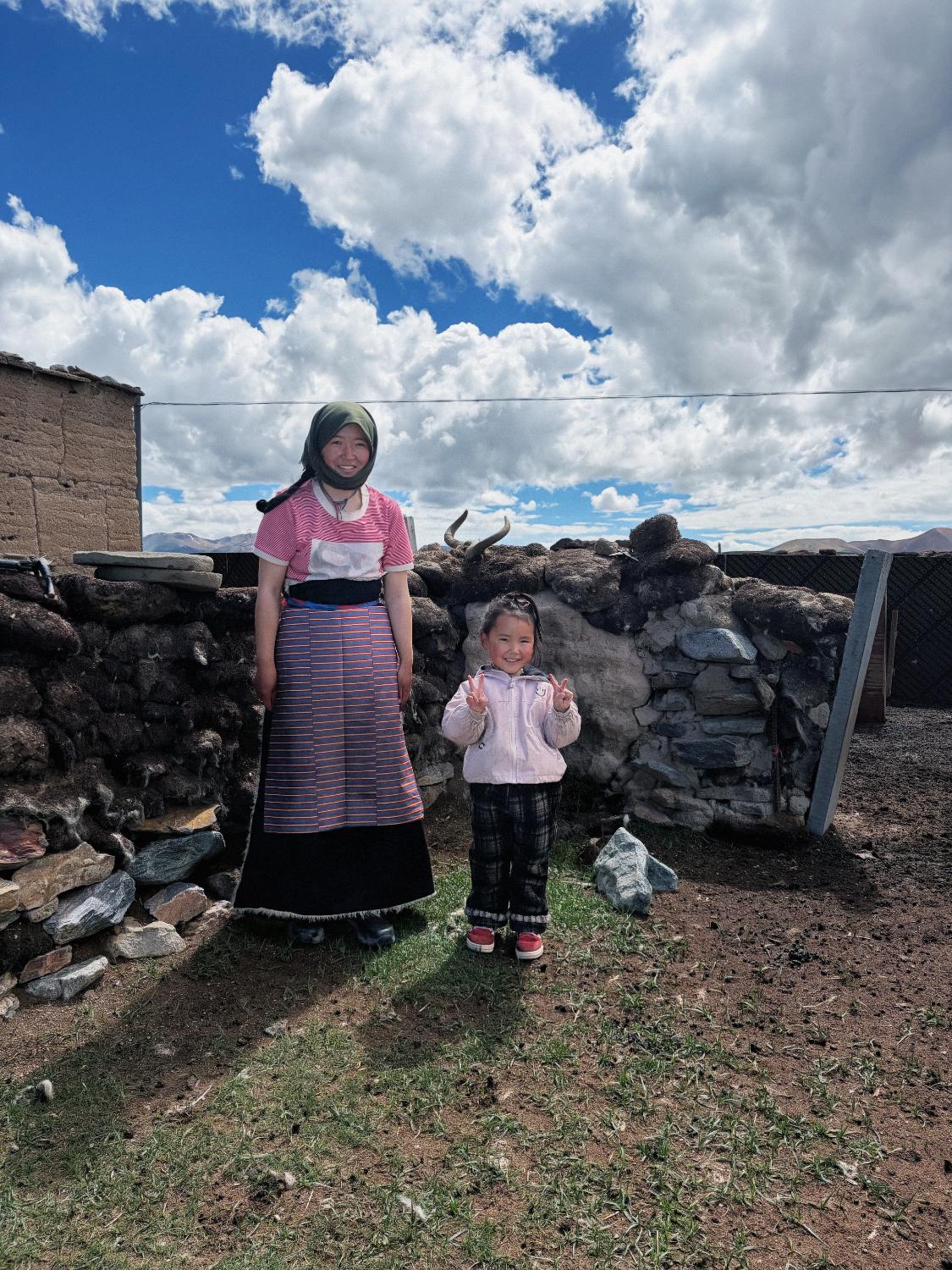
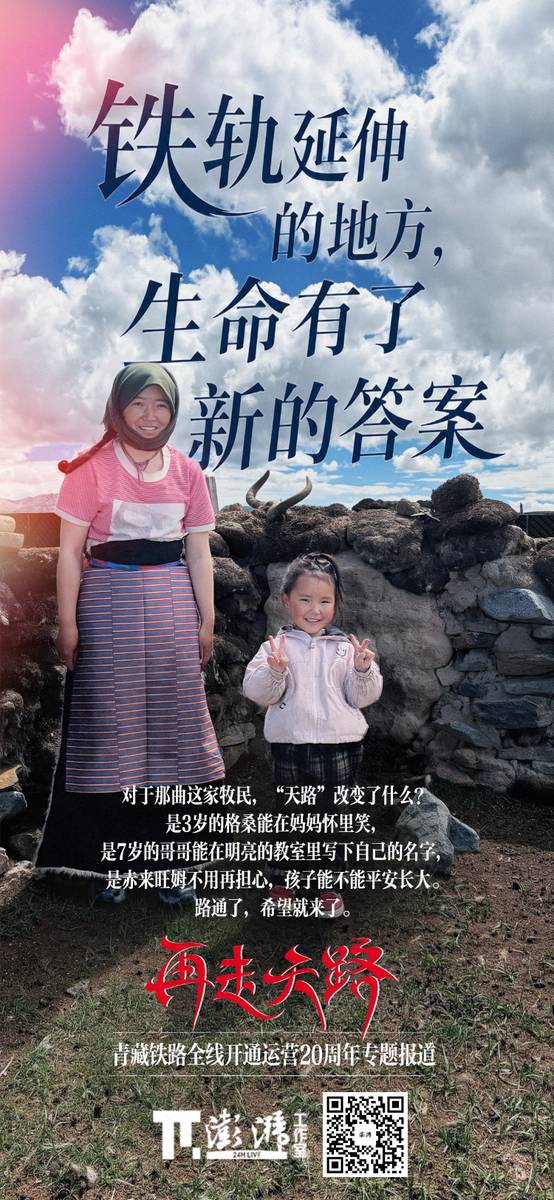
Chilai Wangmu, 37, held her three-year-old daughter Dheji Gesang, standing at their doorstep as she spoke with Officer Chilai Jiangcuo. Gesang laughed in her arms, unafraid of strangers, her eyes shining like a highland lake. Chilai Jiangcuo bent his head, jotting something down — visiting the herder families in his jurisdiction every day is his routine.
This herder family's story is written on the wind.
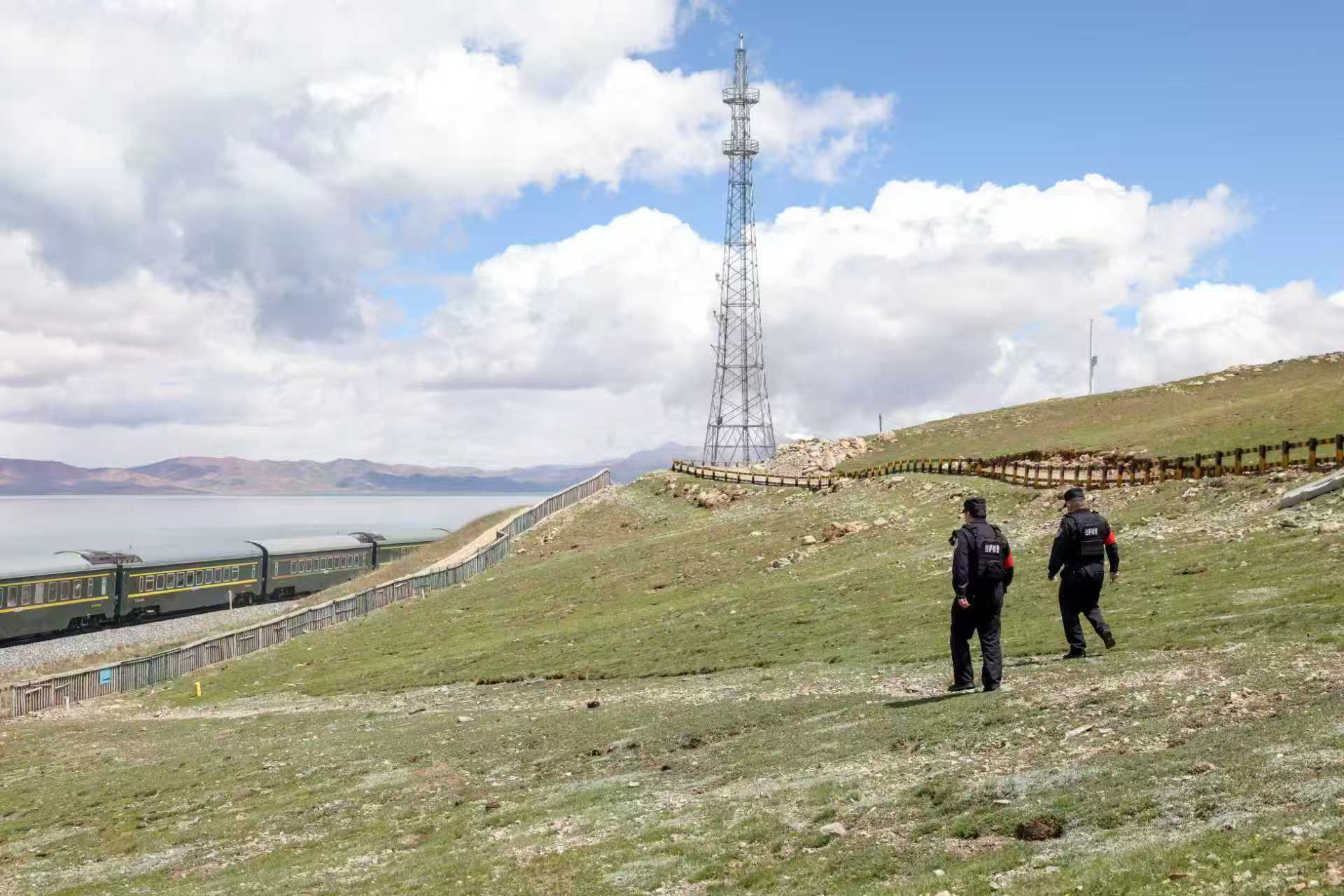
After Chilai Wangmu married here, her husband joined the track protection team. The railway passes right by their doorstep. Every day he walks along the tracks, checking every inch of roadbed and every bolt. That is his path, and his livelihood.
She gave birth to five children. Three died — two from difficult childbirth, and one who reached six months before lung problems took them. Now, they have a seven-year-old son attending elementary school in Zaren Town, Nagqu City. Their youngest daughter stays by their side.
In Nagqu, at 4,500 meters above sea level, winter stretches as long as a lifetime. When transportation was difficult, a trip to the hospital meant traversing mountains, a full day round-trip.
Since the railway opened, the journey has shortened. From Nagqu to Lhasa — once a whole day of bumpy travel — now takes just a few hours by train. The town has a health clinic, an ambulance, and more ways to save children's lives.
Gesang is the youngest. The year she was born, the railway was busy. She doesn't know that the way she came into this world is different from that of her older siblings.
Before leaving, Hou Guangyu and Chilai Jiangcuo habitually glanced at the simple fence around the family's yard — the pastoral area is vast and sparsely populated, with frequent wildlife sightings. Along the Nagqu railway section, Tibetan brown bears, jackals, Tibetan foxes, yellow ducks, hares, marmots, and wolves are all common "neighbors" the officers encounter on patrol. He waved goodbye; Gesang pressed close to her mother, watching their receding figures.
Track protection team members were still patrolling along the rails. A train approached from afar, its whistle sweeping across the grassland, over the roof of Gesang's home.
What has the Heavenly Road changed?
It means three-year-old Gesang can laugh in her mother's arms. It means her seven-year-old brother can write his name in a bright classroom. It means Chilai Wangmu no longer has to worry whether the next child will survive to grow up safely.
In Tibetan, "Nagqu" means "black river." But on this high, cold land, the navy blue uniforms of the police officers have become a different kind of "color of protection" — they guard this Heavenly Road together with the herders, and guard one another. The safety of this sky-high railway has never been just about tracks and bolts.
The Qinghai-Tibet Railway has been in operation for twenty years. The wind still blows over the Nagqu grassland as it always has; the grass still grows as it always did. But with the road, life has found new answers.