culture
Another 'Performance Slacker' Wrecks a CCTV Drama? Exaggerated Acting, Grinning Faces — Even Veteran Actors Can't Save It!
Have you ever had that experience — a show where the overall quality is actually quite good, but one actor's performance keeps pulling you right out of the story?
That's exactly the case with CCTV's newly aired drama Zhong Mo Yuan (The Ink Garden). Set against the backdrop of Jing County's Xuan paper intangible cultural heritage, the filming went straight into real paper workshops. When familiar faces like Ma Shaohua, Wang Qianhua, and Yin Xiaotian appear, the authentic flavor of rural artisanship is instantly established. The ratings shot to first place — a solid contender for the year's best realistic drama.
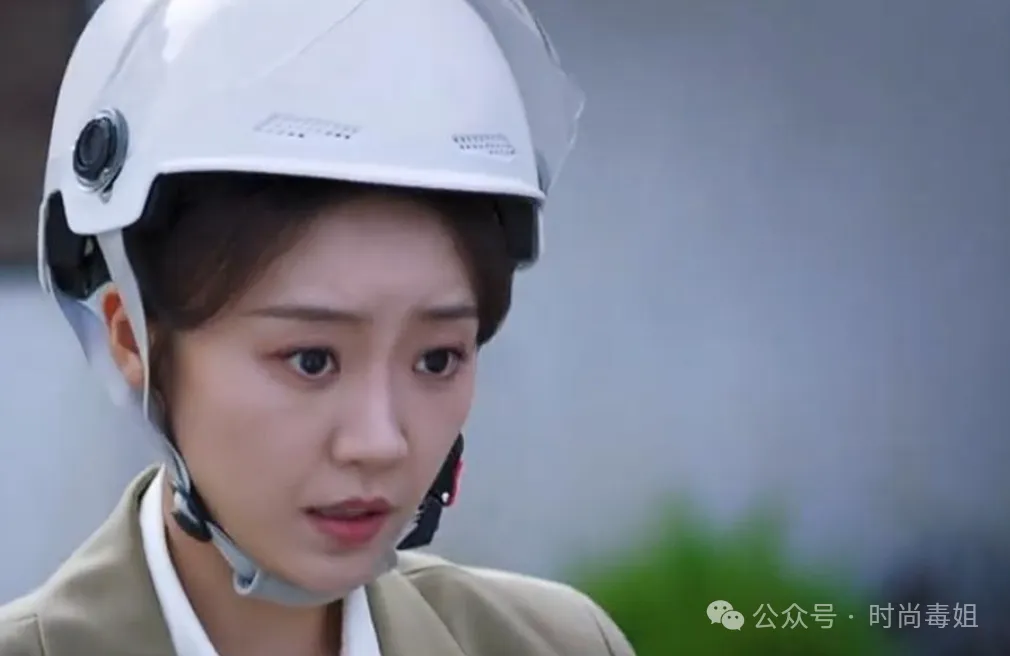
And then the female lead Zhang Yue appears — and it leaves viewers stunned.
Let's first talk about how good the other actors are, to highlight the contrast.
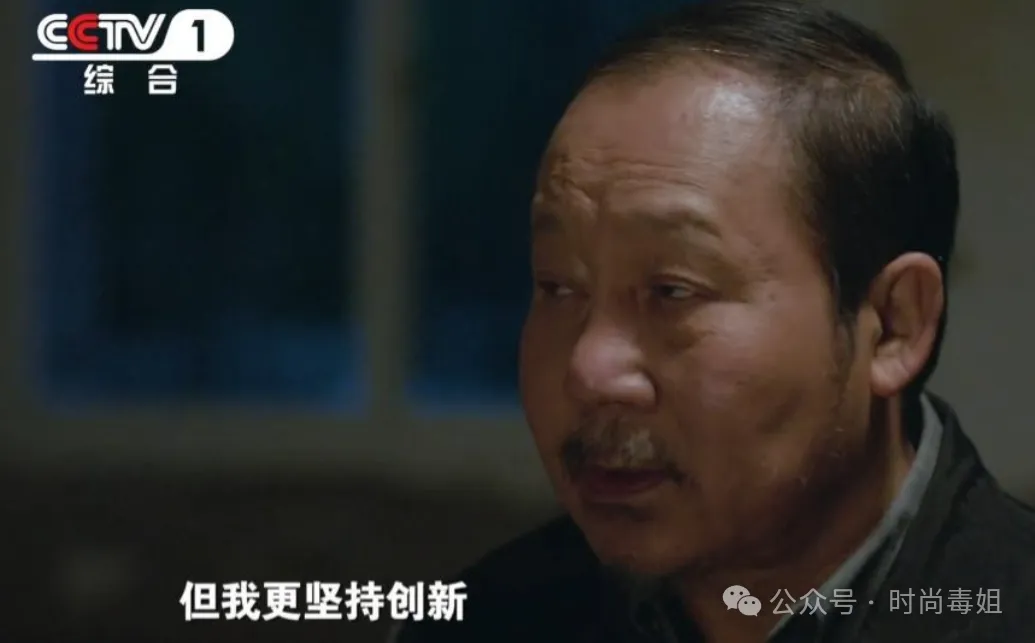
Ma Shaohua plays Xuan Yongnian, an elderly master of Xuan paper craftsmanship — and he is pure acting talent. He doesn't need to shout or rage; a single look carries the character. In the scene where a calligraphy master publicly tramples on his handmade paper, the camera pushes in close: first a violent tremor in his eyes, then a subtle roll of his Adam's apple, anger buried deep, the corners of his mouth pressing downward.
Throughout, he makes no big facial expressions — yet the craftsman's pride, grievance, and defiance radiate right through the screen.
This restrained approach is exactly what a realistic drama should look like. Emotions don't explode outward; they're buried in subtle expressions, growing richer the more you watch.
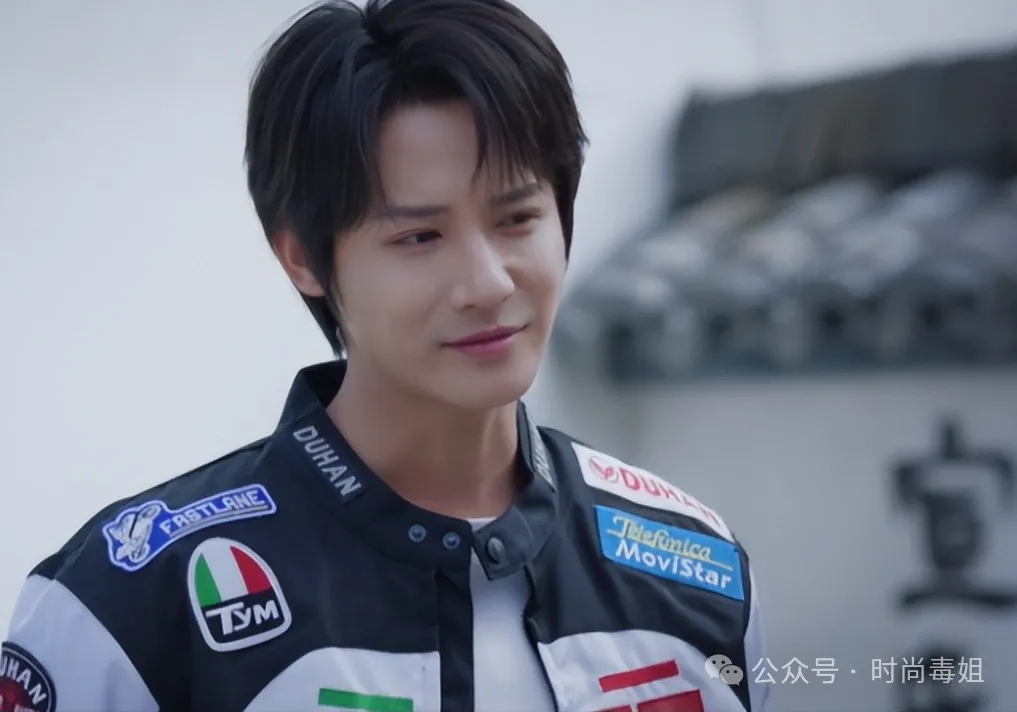
Zheng Yecheng plays the young master of the Xuan family, and his sense of measure is just right — a young man torn between old and new thinking, pained by his father's stubborn adherence to traditional methods, yet eager to find new paths for Xuan paper through creative cultural products. He holds his own against veteran actors without being overshadowed.
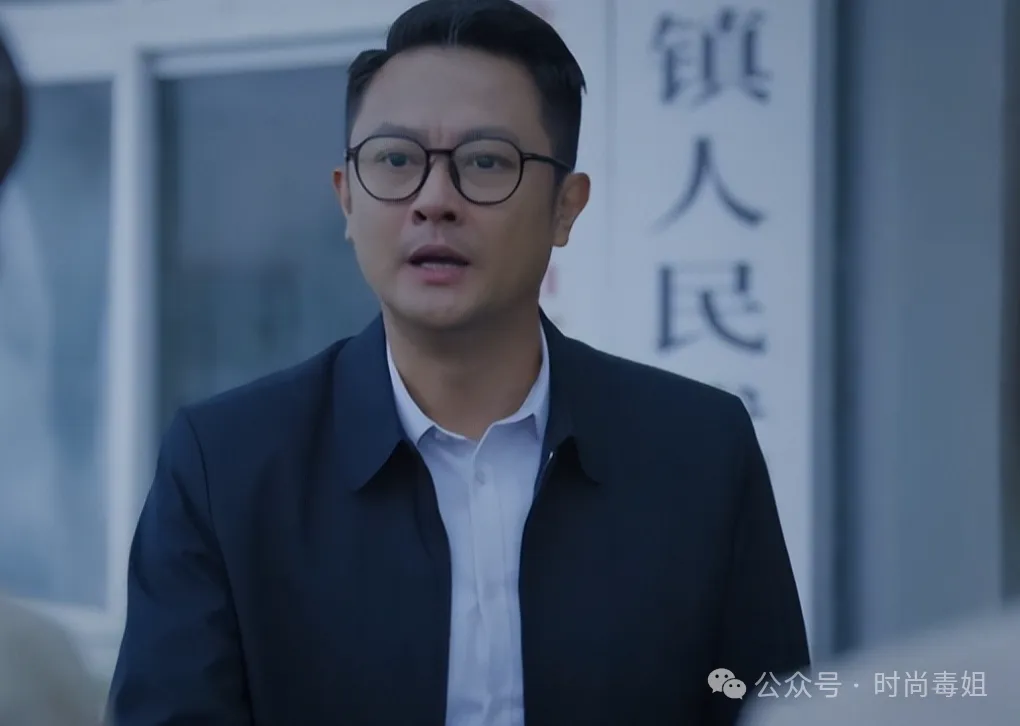
Yin Xiaotian plays a township official, bringing to life that blend of slickness and pragmatism. A subtle frown when troubled, a practiced smile when smoothing things over — exactly the kind of grassroots official you'd meet in real life, authentic and grounded.
Even the minor配角 (supporting characters) stick to the realistic style. Everyone's performance is rhythmically synchronized, creating a powerfully immersive atmosphere together.
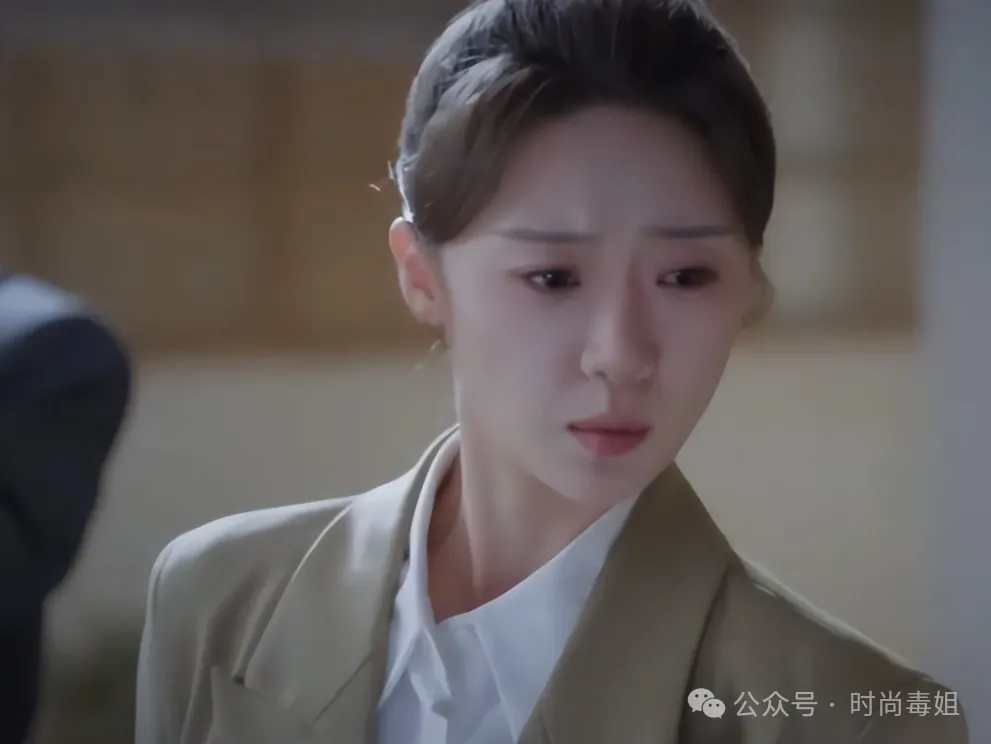
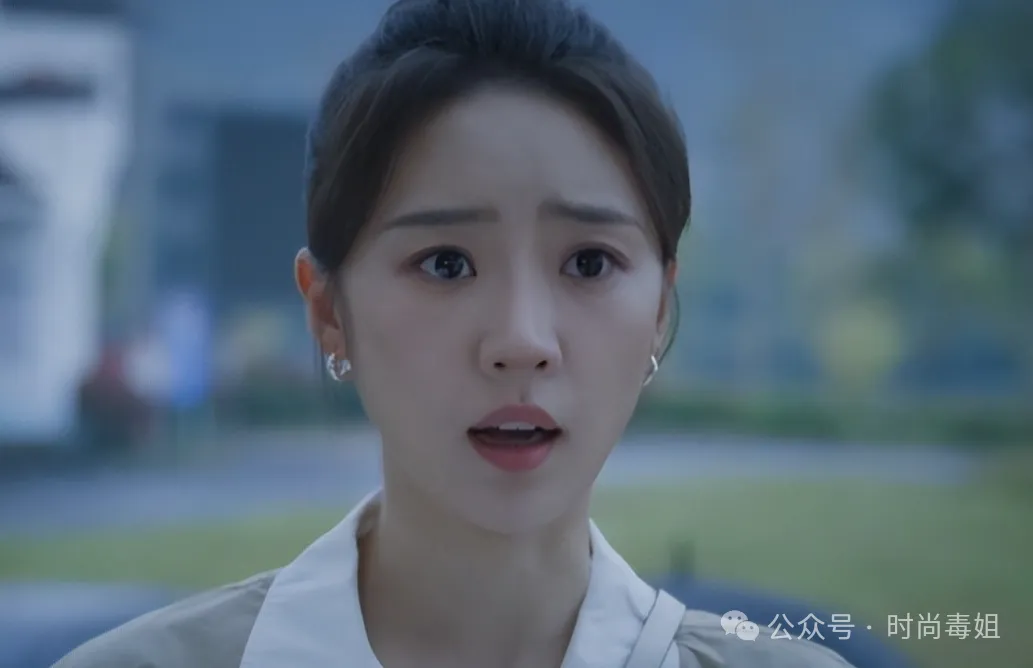
Only Zhang Yue's female lead — the moment she steps into frame — feels completely disconnected from the entire production.
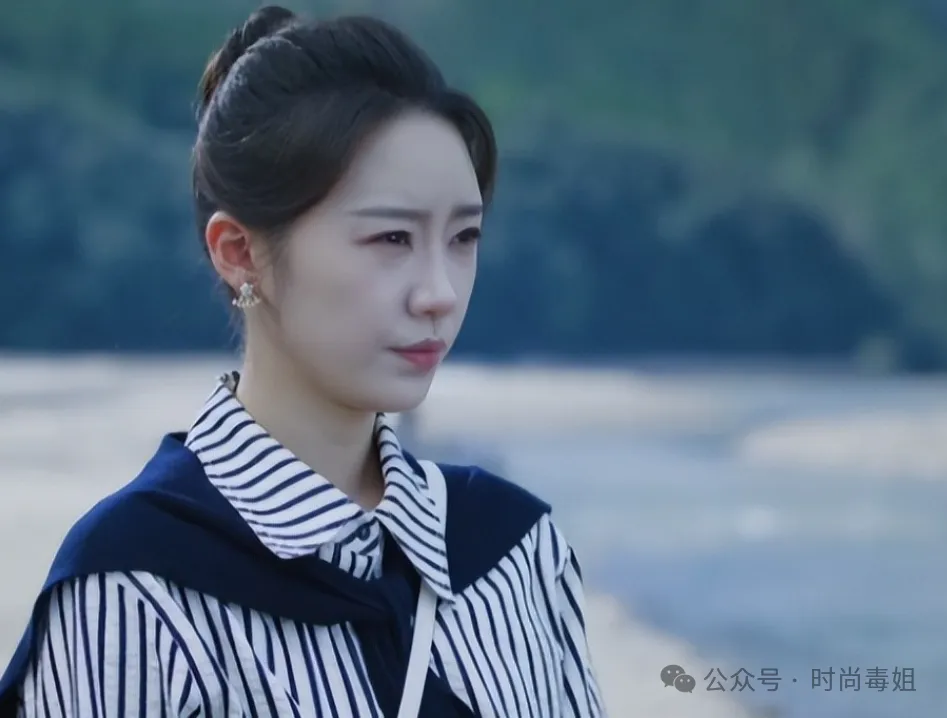
Her character is a grassroots clerk returning to her hometown, burdened with the public relations disaster left by the town's paper industry — a role demanding steadiness, resilience, and clear logic. Yet Zhang Yue applies the same sweet-drama acting template from start to finish, completely at odds with the character.
In the scene where a negative video goes viral online and her superiors summon her for a talk — a moment that should be filled with guilt and immense pressure — she can't stop grinning and showing her teeth, her cheek muscles pushing upwards, her smile painfully stiff, eyebrows constantly twitching up and down, fidgeting endlessly, tilting her head one moment, pursing her lips the next.
It looks more like a little girl caught doing something wrong and acting coy — not a trace of the composure a responsible cadre should have.
In subsequent scenes where she communicates and pleads with various paper companies, her delivery is weak and shaky, her breath unstable, her emphasis entirely misplaced. Where she should be firm, she's soft and vague; where she should be tactful and persuasive, her facial features contort together, making it impossible to tell whether she's aggrieved or angry.
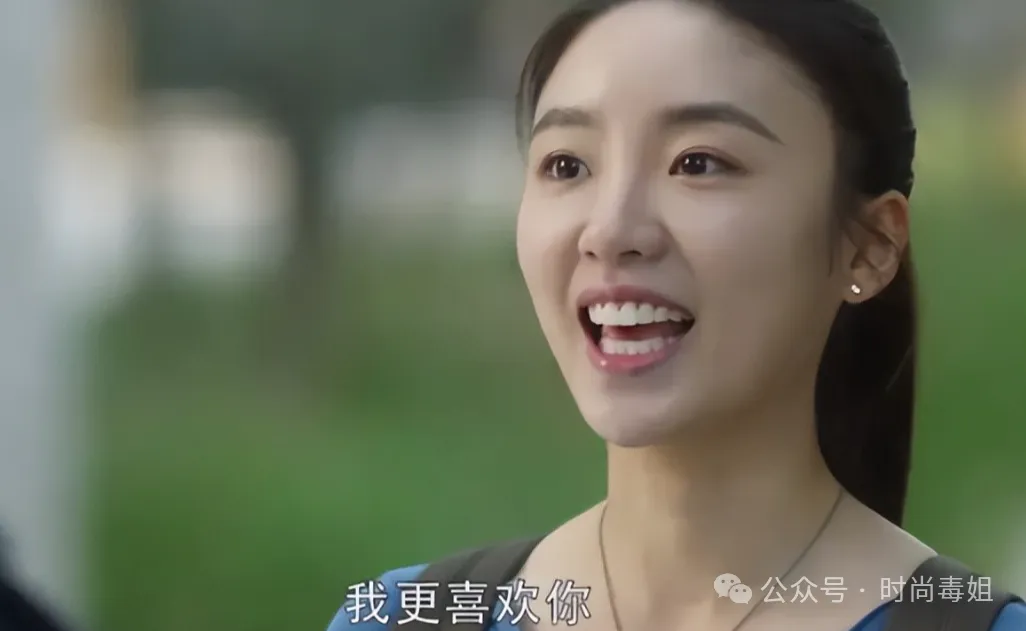
The contrast is especially jarring in her conflict scenes with Ma Shaohua. Ma conveys inner emotion through subtle, restrained eye movements; Zhang Yue, by contrast, is all external release — baring her teeth the moment she speaks, facial muscles pulling wildly. Two completely different acting styles colliding makes for an unbearably disjointed viewing experience.
Not even Ma Shaohua's brilliant acting can pull her off-key performance back into rhythm.
Many viewers remember Zhang Yue from her breakout role as Lin Youyou in Nothing But Thirty. Back then, playing the 'other woman,' she relied on wide grins and frequent small gestures to highlight the character's obsessive nature — and for that kind of urban melodrama, exaggerated acting could still hold up.
But Zhong Mo Yuan is a weighty rural heritage drama. The whole production values restraint — emotions aren't worn plainly on the face. Everyone is dialing it in, and she's the only one dialing it out, completely failing to adjust her performance to match the script's demands.
To put it bluntly: it's not that she can't act at all — it's that her comfort-zone acting simply doesn't fit this drama's tone.
One template for all roles, staying too long in her comfort zone, unwilling to break out of ingrained performance habits — when placed in a fully realistic ensemble, her weaknesses are laid completely bare.
A great realistic drama depends on all actors being in rhythm together. When some actors commit while others go through the motions, the viewer's immersion takes a direct hit.
Zhong Mo Yuan has done the rare work of depicting Xuan paper heritage with nuance and authenticity. Veteran actors have built a solid foundation for the story — it's a real shame that the female lead's performance drags it down.
An actor who wants to stand the test of time cannot rely on a single fixed performance formula forever. Understanding the character and adjusting to match the script — that's the most basic duty of all.