
culture
College students in the rat race of academic competitions
Title: College Students in the "Rat Race" of Academic Competitions
Author: Yuan Lu, The Paper / Intern Li Simin / Editor Ji Jie
Source: The Paper | 2026-06-29 07:47
Section: The Paper Profiles
In her two years of college, Zhou Xiang has already participated in more than a dozen academic competitions for university students. She wants to "join more, gamble more." There are competitions she wants to "retry" because a teammate's mistake left her dissatisfied with a national third-place finish.
Zhou Xiang hopes to secure a graduate school recommendation in the future, since GPAs are hard to differentiate. Many students around her are in the "rat race" for extra points through competitions.
Li Jie, who is also enthusiastic about competitions, sometimes struggles between "meaningful" and "earns extra points." The competitions he wants to join might not be recognized by his school, leaving him without faculty support.
University academic competitions are meant to cultivate students' practical skills, innovation, and collaborative spirit — an important avenue for screening and developing talent. Winning awards in these contests is often tied to postgraduate recommendation bonuses, scholarship evaluations, and job hunting, making them a highly valued honor for universities.
At the same time, in recent years, major student competitions have repeatedly been exposed for cheating and plagiarism. A gray industry of "guaranteed awards" services has emerged, with competition-related businesses penetrating college campuses.
When innovation and practice give way to utilitarian needs like "extra points," we want to know: what place do these competitions hold in the minds of today's college students, and how do they shape their university experience?
Meaning
Li Jie, a junior, dislikes "wasting time on meaningless things." While some classmates enjoy playing games, he barely does.
Before entering university, he imagined a colorful campus life — making like-minded friends and broadening his horizons. After enrolling, he also felt anxious, especially seeing students from top-tier universities participating in various competitions and internships. He felt he should do the same.
Li Jie started taking on internships from his freshman year. As a media studies major, he worked at traditional media outlets, private media companies, and major internet firms. But the actual work was far from the public-interest or investigative journalism he aspired to. He wants to meet more people, hear their stories, and go straight to work after graduation.
Li Jie has already participated in numerous university competitions. Once, a senior he knew posted a competition announcement looking to form a team. It was a well-known domestic research competition focused on finding solutions to social problems through field investigation. Li Jie was interested, but the registration period had passed. He kept this competition in mind and signed up the following year, drawing on a hot news lead he encountered during an internship — one related to his hometown.
This became the theme of his competition entry. He posted recruitment information on social media and formed a four-person team, all from different universities. He describes himself as a brave "socially anxious" person — when looking for internships, he simply walked into a TV station and said he wanted to submit a resume. He got the position.
Within the team, Li Jie took charge of coordination and organizing meetings as everyone discussed the topic. The research took eight days — conducting interviews, organizing materials, and editing videos. Together, the members completed a research report. "I felt a sense of accomplishment, because I felt I was really doing something useful," Li Jie said. Within a month of submitting their results, the team advanced from the top 100 to the top 10, ultimately winning a 10,000 yuan prize.
This is one of the few uplifting stories Li Jie tells. He has also participated in competitions he found meaningless — what he calls "water competitions."
For example, the school organized a new media creation competition that required filming short videos at a scenic spot deep in the mountains. Round trip travel took three hours, and the competition required six videos. But after spending an afternoon there, Li Jie had no idea what to shoot. "The content everyone made was very homogeneous — it felt like advertising for the scenic spot," he said.
Since the competition was tied to academic credits, he had to participate. He wrote down his frustrations in his备忘录 but never sent them to his teacher. Li Jie said his classmates all complained, feeling it was a waste of time.
He also participated in a business elite challenge at a teacher's invitation. The competition was open-book, and he could use AI to search for answers during the exam. After advancing to the national finals, he was responsible for making PPTs covering product introductions, business plans, and market analysis. The project took over two months. The team won third prize, but when they received the award, he felt no excitement.
Li Jie knows that guiding students to win competitions may be tied to teachers' performance evaluations and title assessments. This year, he wanted to continue the research competition from last year. After forming a team, he sought a faculty advisor — but was turned down. The teacher said this competition wasn't among the recognized types according to school regulations. This meant that even if they won, the school would not credit the advisor's performance or offer rewards.
The teacher told Li Jie that while he had long been interested in this competition and thought it was "cool" that students wanted to practice, have ideas, and build skills, the significance was different for faculty. Li Jie's school has detailed rules in its academic competition management framework, classifying competitions into four levels — international, national, provincial, and校级 (school-level) — each further divided into categories. National competitions, for instance, are classified into A, B, and C tiers based on the organizer's nature and social influence. When teachers guide students to win top-tier national A events like the "Internet+" University Student Innovation and Entrepreneurship Competition, the school grants performance credit, bonuses, teaching and research workload subsidies, and倾斜 during title evaluations.
Chen Wen, a faculty member at a university on the eastern coast, told The Paper that universities are now pursuing the "break the five唯s" (唯分数/唯升学/唯文凭/唯论文/唯帽子 — valuing only scores, further education, diplomas, papers, and titles). Faculty evaluations are no longer based solely on papers and research projects but also consider other achievements. If a teacher wants to advance quickly or compete for talent titles, they invest energy in other areas — including guiding students to win competitions.
"It's relatively easier," Chen Wen said. While it's mostly icing on the cake, at some universities, if a teacher can't publish in C-grade journals or secure national-level projects, serving as a competition advisor becomes important.
Recently, Li Jie signed up for another national competition. He thought he would "do a favor" for his专业课 (major course) teacher by adding their name to the advisor list.
Extra Points
The same competition carries different weight in different students' eyes. Li Jie cares more about whether he can "learn something" and whether it helps his future job search. The research competition he's passionate about is not on the school's comprehensive evaluation bonus list — for some students, this means it has no real "value."
Comprehensive evaluation, or "综测" (zongce), is a holistic quality assessment that universities conduct on students. Scores are often a key basis for honors, scholarships, and postgraduate recommendation. So students need to be well-informed about which competitions can earn them points. Many universities publish on their official websites the 84 recognized academic competitions approved by the Ministry of Education that qualify for bonus points. Schools also develop their own competition management rules and bonus-point lists.
Many social media posts list competitions that can earn bonus points.
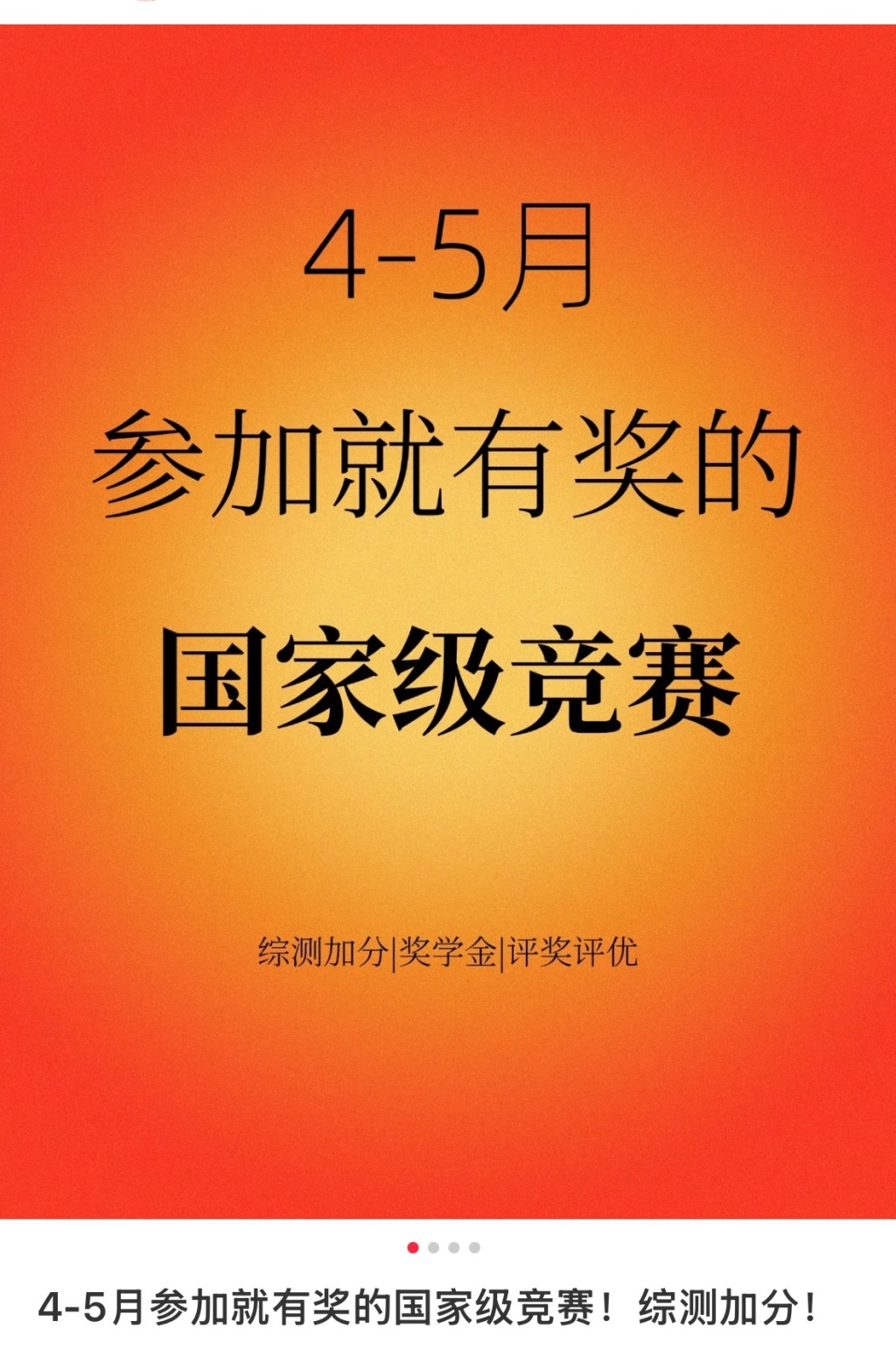
社交媒体上许多帖子列举着可以加分的竞赛名单。
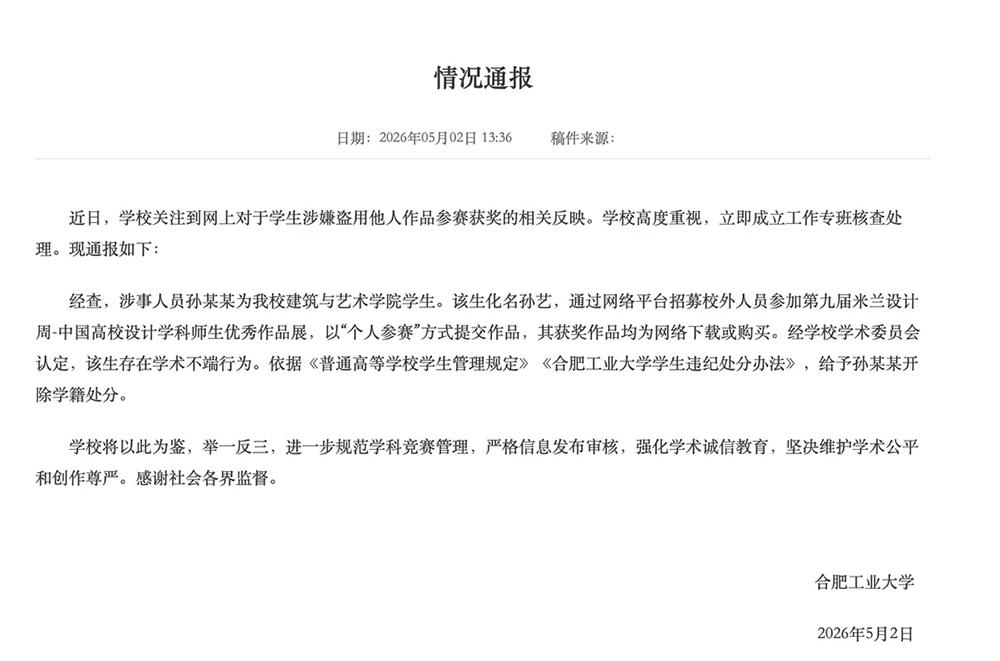
合肥工业大学关于抄袭事件的通报。
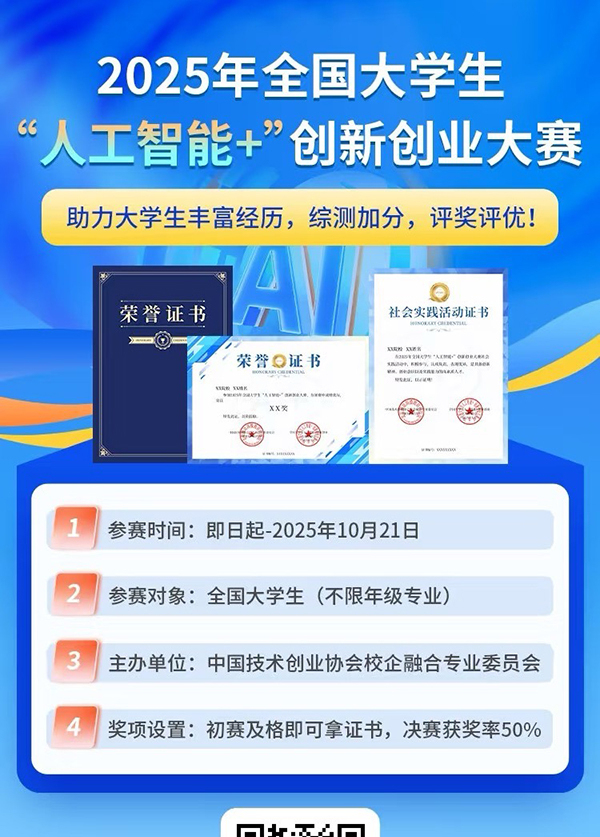
中介提供的宣传海报。
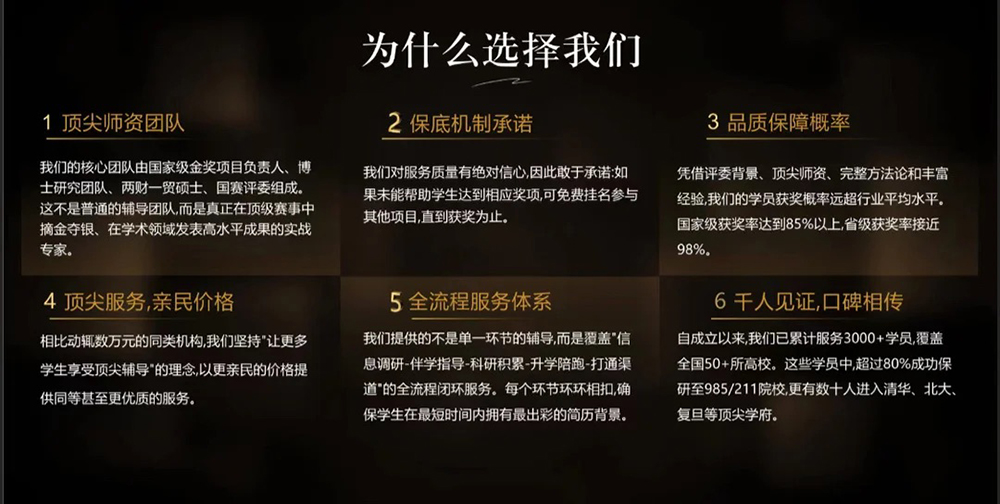
中介发来的宣传图。
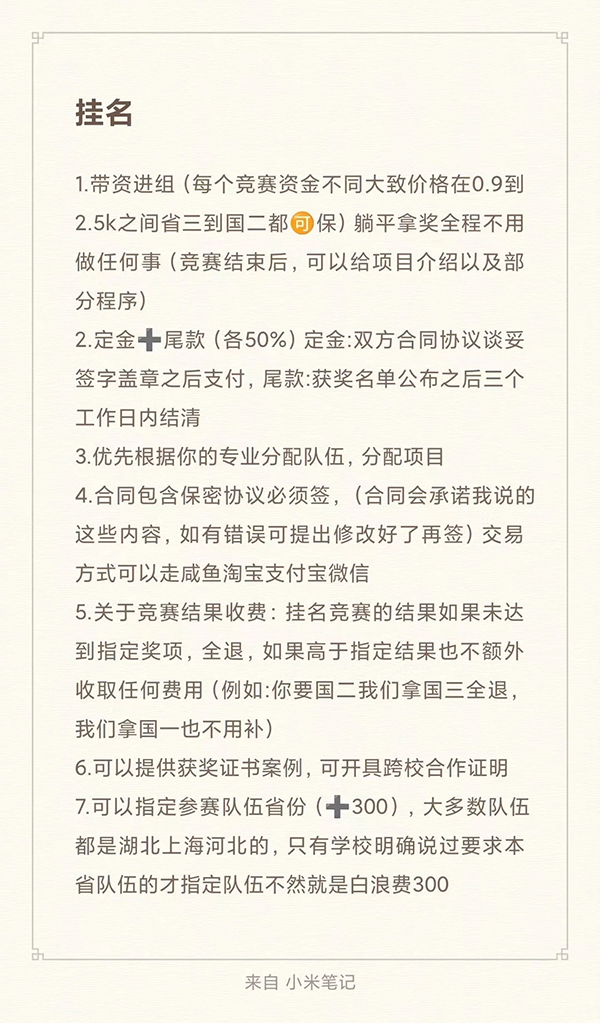
中介机构发来的挂名价格。
设计 王煜