business
Driscoll's Berries Found to Contain Carcinogenic PFAS; Chinese Platforms Pull Products
By The Paper — Source: The Paper (www.thepaper.cn)
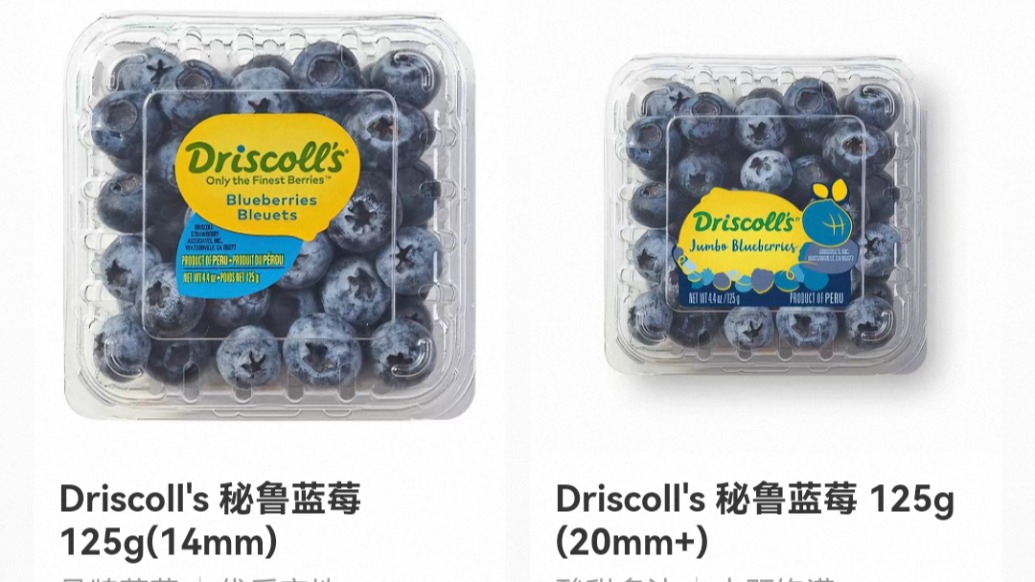
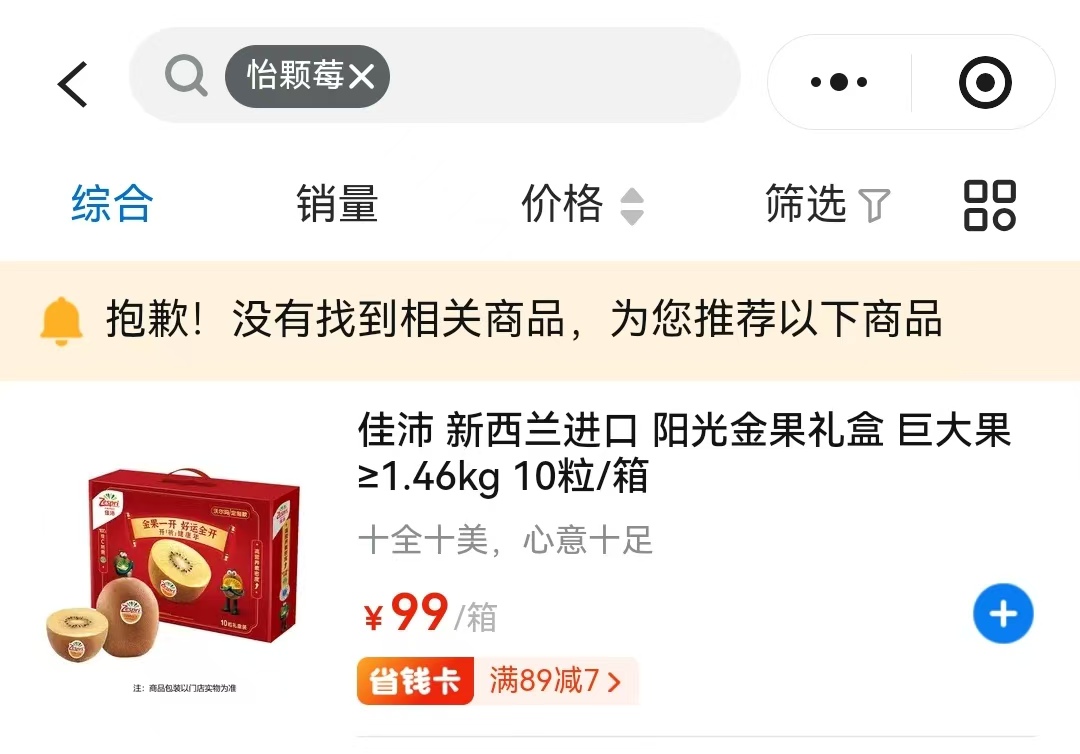
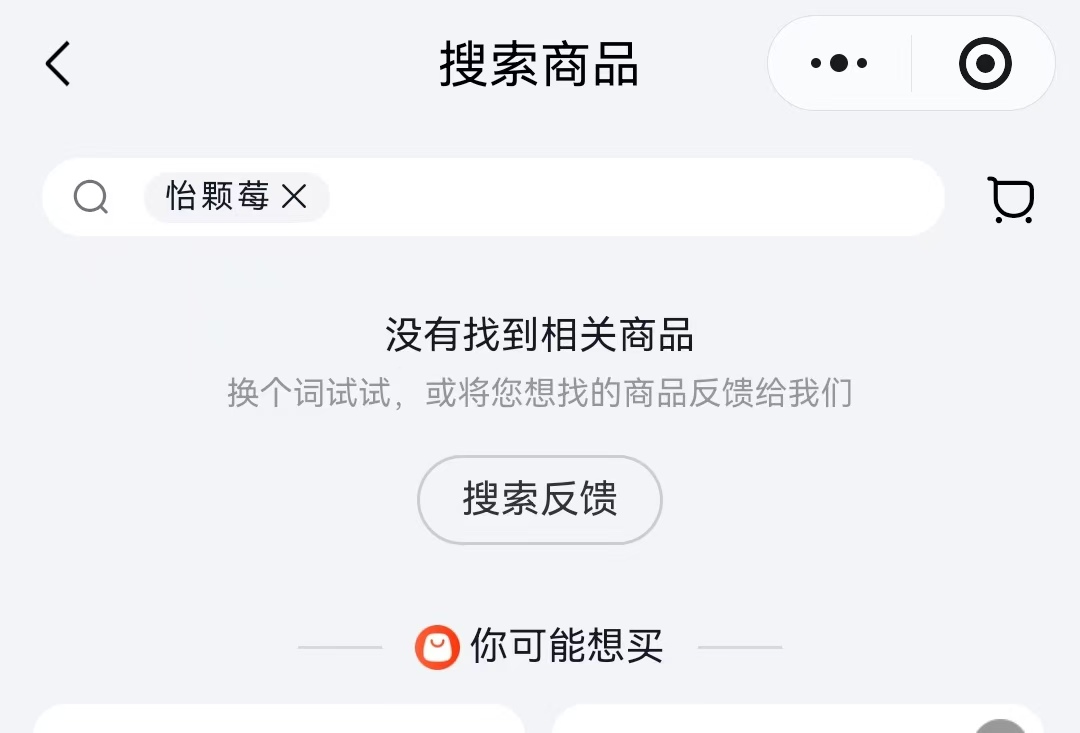
On the afternoon of July 20, media reported that “Driscoll's” (Yikemei), a U.S. berry brand, had been found to contain the carcinogenic substance “per- and polyfluoroalkyl substances (PFAS).” The Paper noted that the online mini-programs of Walmart and Yonghui supermarkets can no longer surface Driscoll's products, while Sam's Club and Costco show multiple berry items as “restocking,” and ordinary fruit wholesalers, fresh-fruit shops and fruit-cutting stores continue to sell Driscoll's products normally.
A Paper reporter, posing as a consumer, consulted the Driscoll's flagship store, whose staff said the products meet relevant requirements and provided third-party food-testing reports for its blueberries and strawberries. The reports show that the submitted samples meet the pollutant limit requirements of national food-safety standards. However, the items tested in the reports do not include PFAS. China has not yet set mandatory limit standards for PFAS in food, and the substance is not a routine testing indicator.
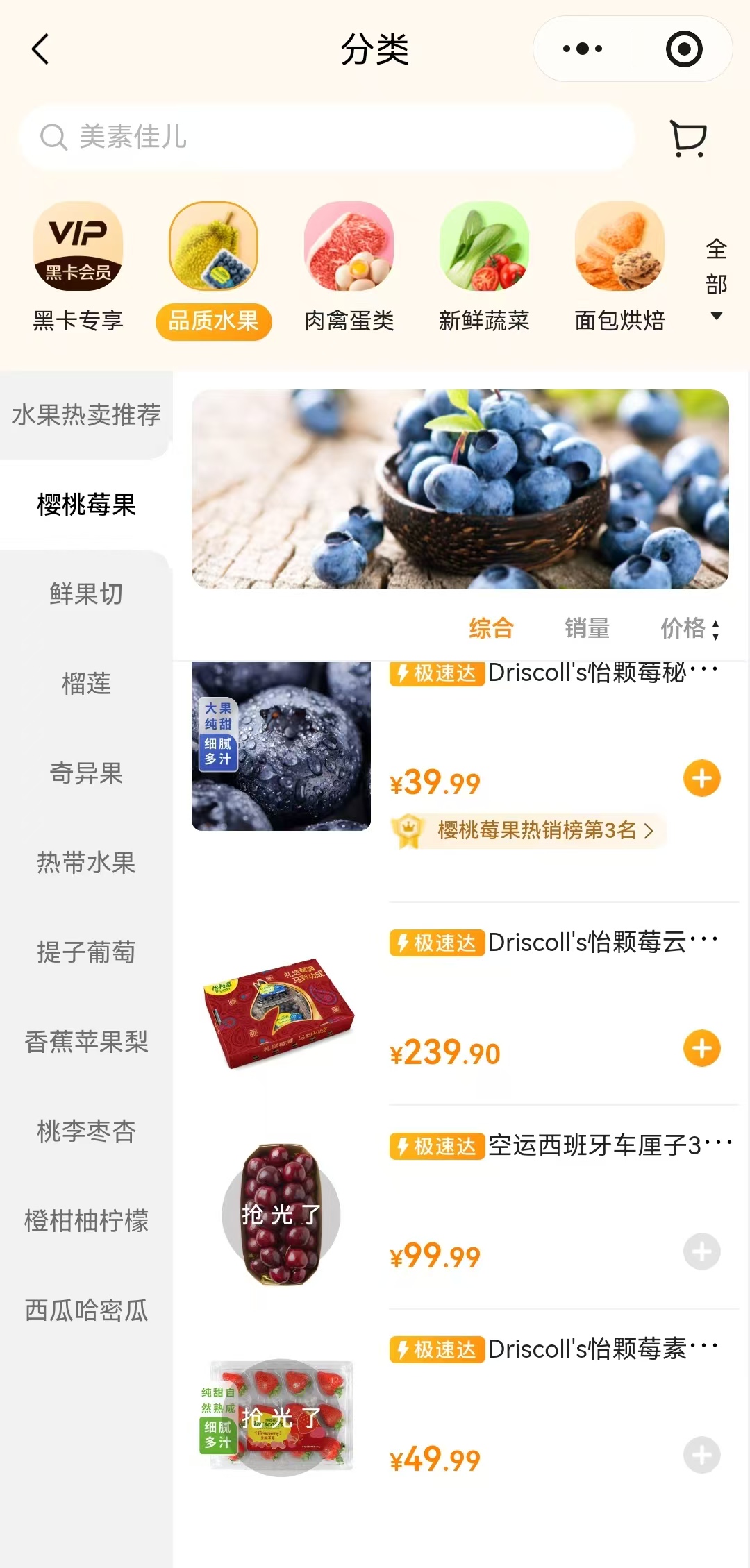
The Ole' supermarket mini-program shows Driscoll's blueberries selling normally, while strawberries are sold out.
According to an earlier report from China News Service, foreign media reported that Driscoll's, a high-end U.S. berry company, has recently been hit with a class-action lawsuit filed by consumers from multiple U.S. states, accusing its strawberries of containing residues of 12 pesticides, 8 of which are said to be linked to PFAS (“forever chemicals”). Driscoll's responded that the claims are “groundless.”
Public information shows that PFAS are a class of synthetic chemicals, of which perfluorooctanoic acid (PFOA) is classified as a Group 1 carcinogen by the International Agency for Research on Cancer (IARC), and perfluorooctane sulfonic acid (PFOS) is classified as a Group 2B carcinogen (possibly carcinogenic to humans). PFAS are difficult to degrade and tend to accumulate in the human body; they are often called “forever chemicals” and are also regarded as a new type of synthetic persistent pollutant. Channels through which people may be exposed to PFAS in daily life include, but are not limited to, food packaging, firefighting foam and textiles. Related studies indicate that PFAS can disrupt hormone levels, inhibit growth and development, and increase cancer risk.
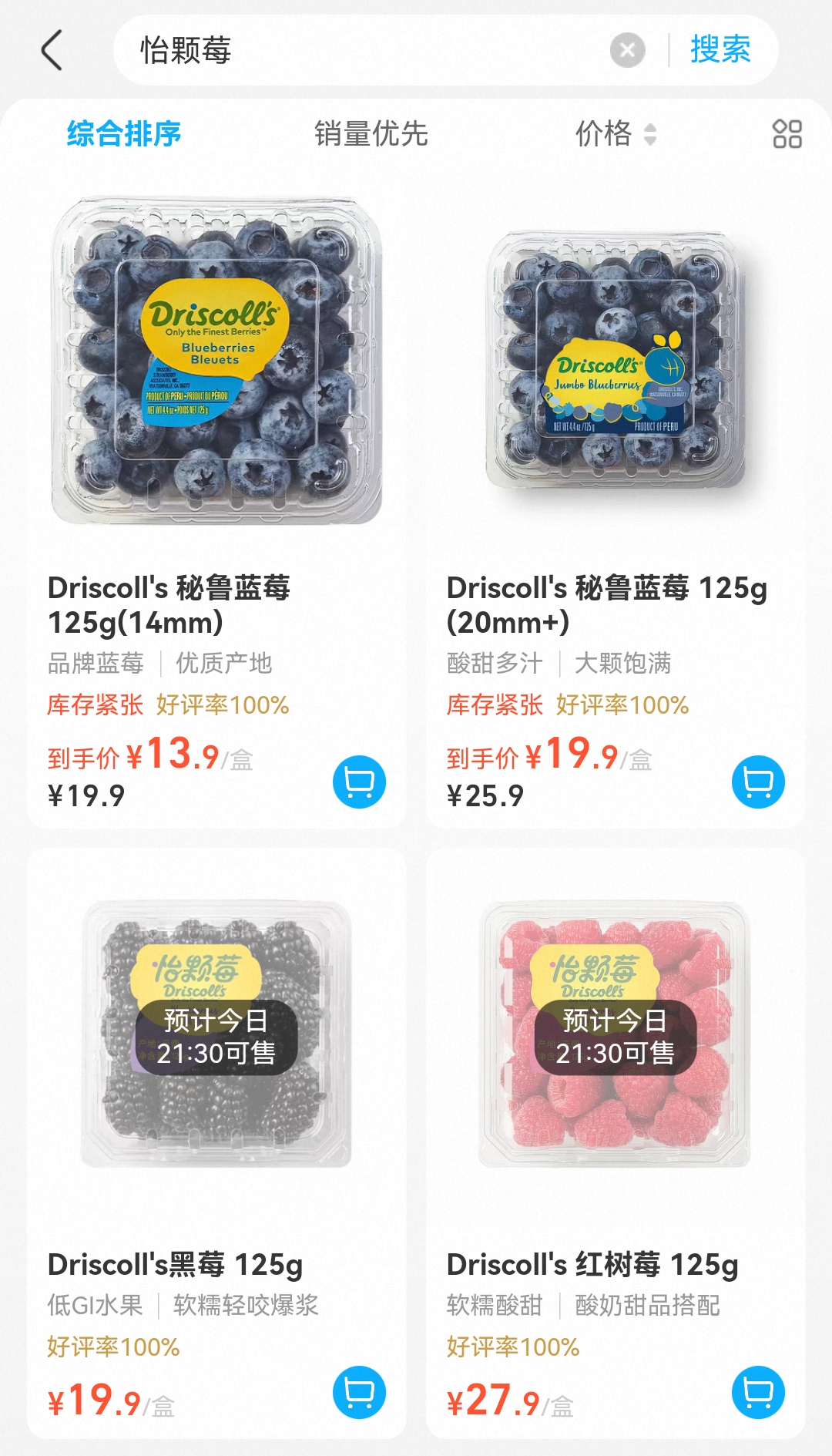
The Paper's inquiry found that the online mini-programs of Walmart and Yonghui can no longer surface Driscoll's products; the Ole' online supermarket shows Driscoll's Peru- and Yunnan-sourced blueberries selling normally, with strawberries sold out; Sam's Club and Costco show multiple berry items as “restocking”; and Hema shows four berry varieties still on sale.
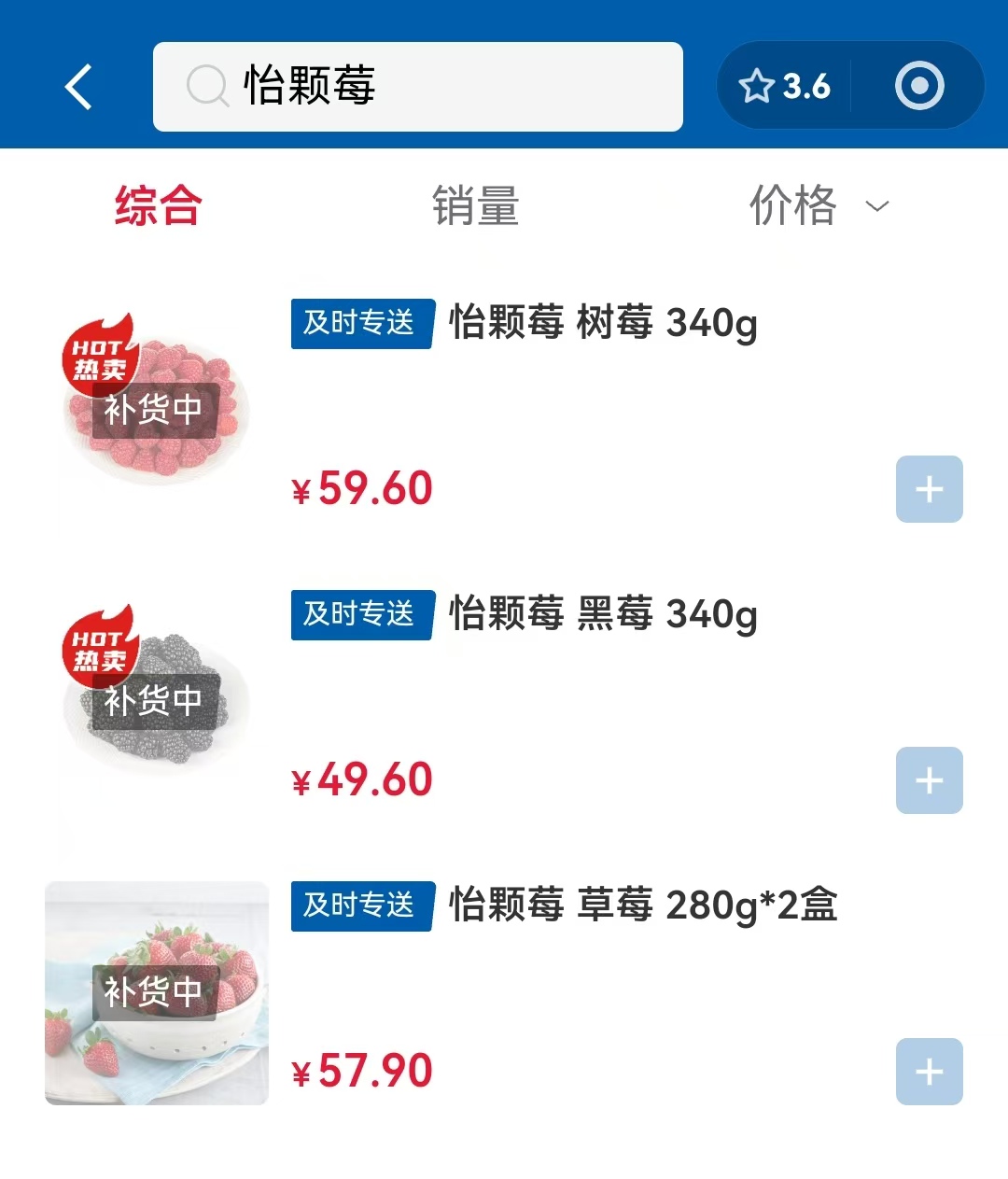
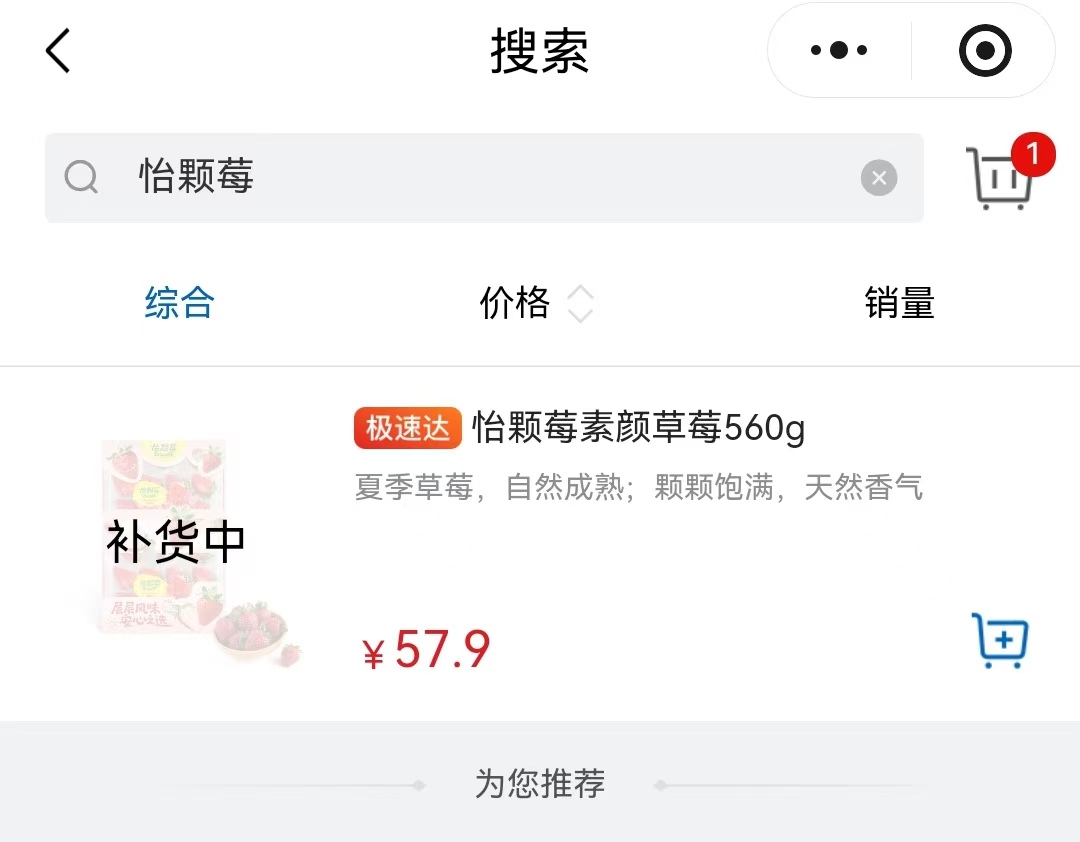
The Paper learned that the U.S. Driscoll's company has registered 16 trademarks in China's Class 31 (agricultural, forestry and fresh produce) category. On e-commerce platforms, aside from the large supermarkets mentioned above, Driscoll's products are still sold normally at ordinary fruit wholesalers, fresh-fruit shops and fruit-cutting stores.
Subsequently, a Paper reporter, posing as a consumer, asked the customer service of the Driscoll's flagship store. The staff said the brand's blueberries originate from Peru, while raspberries, blackberries and strawberries are produced in Yunnan, and that products sold in both the U.S. and Chinese markets are “all qualified.” They also said “Yunnan is our main production area for the Chinese market,” and that the products meet relevant standards and requirements.
The third-party testing reports for blueberries and strawberries provided by the Driscoll's flagship store show that both batches of fruit meet national food-safety standards, but the two reports in fact did not include PFAS (per- and polyfluoroalkyl substances) testing items, and therefore cannot prove whether the Yunnan strawberries sampled on June 15 and the Peru blueberries sampled on June 22 contain PFAS.
According to China's “National Food Safety Standard — Standards for Use of Additives in Food Contact Materials and Products” (GB 9685-2016) and “Standards for Drinking Water Quality” (GB 5749-2022), China has implemented preliminary controls on some PFAS substances, including setting reference limits for drinking water and banning some perfluoro-additives in food-contact materials, but limit standards for food itself have yet to be clarified.