business
The Trade in "a Face": Inside the AI Face-Buying Industry Behind China's Short Dramas
On an afternoon in late June, actor Wang Yuankai went to auditions for a short-drama role and an advertising project. These were among the very few audition opportunities he had had all year. Over the past six months he had shot only two short dramas, both before the Spring Festival.
After switching careers to become a short-drama actor last August, he had a steady stream of jobs, shooting twelve short dramas in about half a year. But after this year's Spring Festival, he found that in the once-busy film-and-TV casting chat groups, "the jobs had dried up and the prices had dropped." At the same time, messages recruiting people to sell the rights to use their likeness began to appear.
"AI digital-human portrait, sweet and cute girls wanted, half-hour shoot, 150 yuan for a one-year contract." "AI comic-drama leads wanted, average daily income 500–2,000 yuan." "Sign an AI portrait agreement on-site, footage used only for this project, register by messaging…"
In the recruitment posts of face-buying middlemen, the price of a single face varies: some pay 150 yuan for a one-year license, others 500 yuan for a lifetime license. An AI facial-authorization industry chain is quietly forming out of public view — faces are used not only for characters in AI short dramas, but for other purposes as well.
The demand for faces emerged alongside the explosion of AI live-action-style short dramas. According to data released by the China Netcasting Services Association, in the first quarter of 2026 the industry launched roughly 128,000 micro-dramas, of which about 122,000 were AI micro-dramas — more than 90 percent.
Meanwhile, many AI short dramas use the same facial templates, with a handful of algorithm-fused faces appearing over and over in different clips. The hashtag "physiological disgust toward AI faces" trended online.
Against this backdrop, more and newer real human faces have become what short-drama companies are chasing. Under the AI-portrait-authorization model, a face is converted into a virtual asset: the actor does not need to appear in person, and merely by providing their facial image they have "starred in" a certain short drama.
This April, the Cyberspace Administration of China drafted the "Measures for the Administration of Digital Virtual Human Information Services (Draft for Comment)," which states that, without the consent of a specific natural person, no service may be provided of a digital virtual human that is sufficient to identify that specific natural person.
For those in the film-and-TV industry, the rise of AI live-action-style dramas has struck directly at their livelihoods. As new demand and new lines of business appear, some choose to resist, while some bottom-tier actors have no choice but to join in.
"No More Roles"
Wang Yuankai caught the tail end of the live-action short-drama boom.
Now 30, he did not train as an actor. Three years ago he moved from being a behind-the-scenes assistant director to an advertising actor, and last August he began taking short-drama jobs — because he had seen that, over the past couple of years, the advertising colleagues around him had all shifted to shooting short dramas.
In short dramas he always played "domineering CEO" or "father" roles. At his busiest, he would step onto a set and shoot for 25 hours straight, sleep for one hour, then shoot for another 18 or 19 hours. Finishing an 80-episode drama in four days, he was so exhausted his eyes gave out.
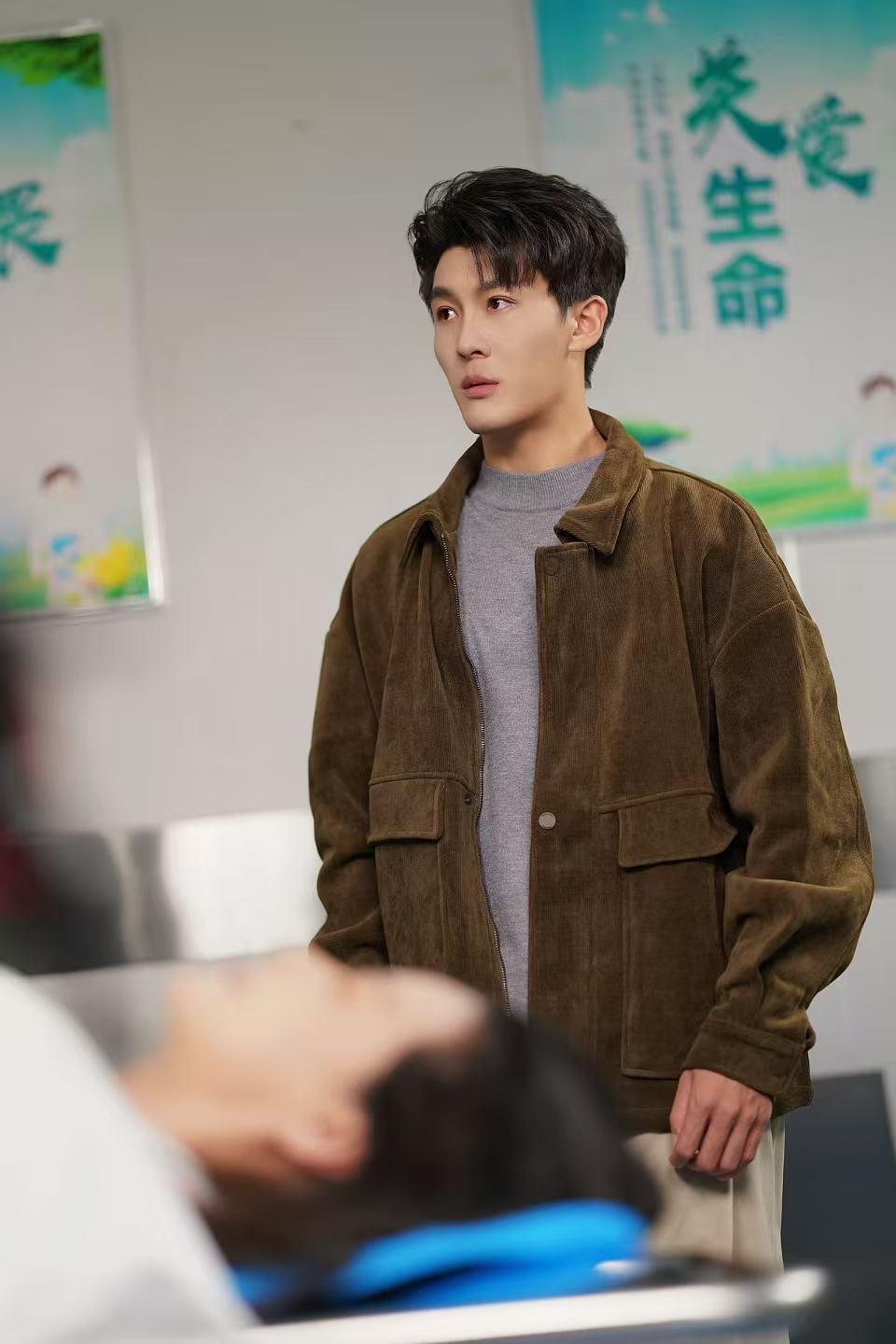
Wang Yuankai. All photos in this article courtesy of the interviewees.
Before this year's Spring Festival, he thought there would be "plenty of opportunities" and planned to "go all out." But after the holiday, suddenly there was "no work," and the casting groups fell quiet.
No work meant no income. Occasionally a short-drama producer would ask him to act, but the price had been cut by more than half, so he did not take the jobs. Wang Yuankai says he belongs among the "bottom-tier actors below the waist"; by industry custom, only the top 10 performers on the Hongguo short-drama platform can command good fees.
Real-person short-drama opportunities grew scarcer, while AI short dramas multiplied. Wang Yuankai noticed that some of the directors, screenwriters and producers he had worked with had also turned to AI short dramas. He became intensely anxious, able only to take side jobs shooting advertisements.
In the casting groups, some people also began buying likeness-use rights for AI short dramas. Several face-buyers approached him, saying the price to license a face for an ordinary short drama was 400 yuan, while for a high-investment, better-produced S-level drama the price was 1,500 yuan.
Huangfu Moxi, an actor who has worked on films, long-form dramas and short dramas alike, now also cannot get roles. She has seen large numbers of actors at Hengdian World Studios with no dramas to shoot, and the front pages of short-drama platforms recommending mostly AI short dramas. The industry is on edge; a recent rumor claimed that certain platforms would stop producing live-action content.
Over the past two years, most of the people around Huangfu Moxi who worked in film or web drama have shifted to AI. Many of the industry insiders in her social circle, and classmates she once studied acting with, have switched tracks — some becoming livestreamers, some working as NPCs (non-player characters) at scenic spots.
Starting this March, she saw face-buyers in many WeChat groups. As she understands it, the face-buying business emerged because AI-generated faces are template-based — the same template face turns up in many AI dramas. By comparison, a real person's face is more distinctive.
She has been in contact with middlemen or companies doing AI-portrait authorization. Some offered 300 or 500 yuan to license a face for one drama; some offered 2,000 yuan for a one-year contract. Some companies said a photo would suffice; others required specific facial expressions and would record a session.
Some companies' contracts specified the collaboration dates, the short-drama projects, and the characters the face would be applied to, but Huangfu Moxi could not see a detailed script — only a synopsis — so she did not know the specific plot or character image.
Huangfu Moxi did not sign a contract, worried it was not watertight and carried risks: if the other party used her face for negative roles, it would tarnish her image.
At the same time, she thinks that if the price is right and the contract terms are reasonable — "every clause has to be spelled out" — she would accept licensing her likeness to AI dramas, but only step by step, rather than signing away several years at once.
By Huangfu Moxi's observation, those willing to license their likeness are mostly influencers or third- and fourth-tier actors, while top-tier actors are unwilling. "Their face is an IP, a commodity; they certainly wouldn't want to package and sell their own face."
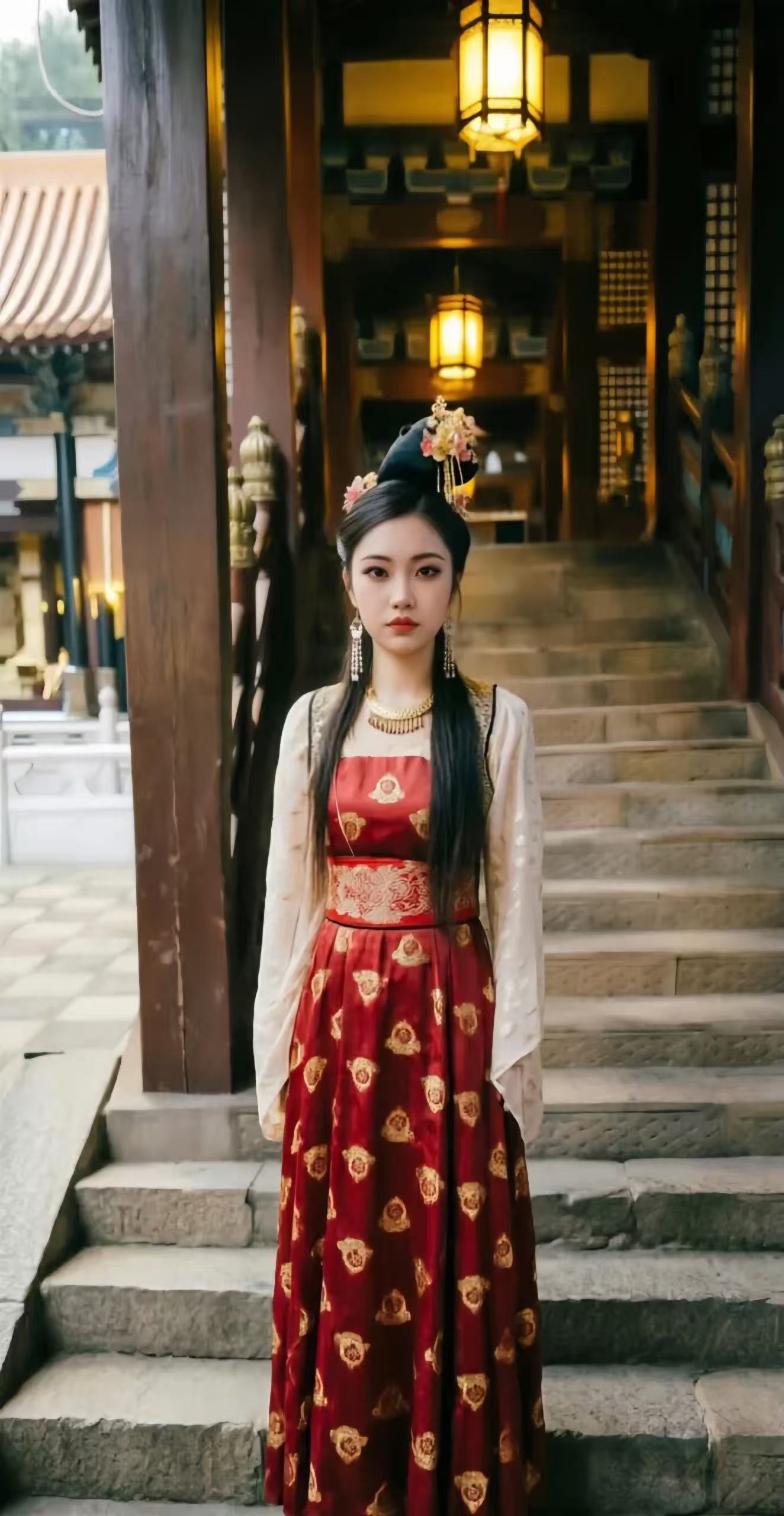
Huangfu Moxi
This is a partial English translation (the opening sections) of a Chinese feature report by The Paper (Penpai News). For the full report, please see the original source below.
Source: The Paper (thepaper.cn)