business
Mashang Ce • Part-Time Jobs ① | The Trap Behind High-Paying Daily Gigs: How I Became a "Tool" for Scalpers While Queuing at a Viral Grilled-Fish Restaurant
[Editor's Note] Queuing at grilled-fish restaurants, opening new phone cards for side gigs, filling seats at apartment viewings, or even impersonating a boss for workers and a romantic partner for young people pressured by their parents to marry… Seemingly ubiquitous, easy short-term part-time jobs reflect certain social mindsets, yet some conceal hidden risks that ordinary people easily overlook. Recently, the "Mashang Ce" (Instant Test) studio conducted undercover field investigations into various kinds of part-time work, exposing the chaos behind some of these gigs, dissecting the potential traps and clarifying the legal boundaries for gig workers, and providing a real-world reference for regulating market order.
"Indoor queue-filling gigs — repeatable, more work means more pay, easy daily-settled cash!"
Recently, the "Mashang Ce" studio signed up through an online part-time job group for an opening-day queue-filling gig at a viral restaurant. The investigation found that what seemed like an ordinary "queueing part-time job" actually served as a tool for professional scalpers to mass-grab dining numbers and resell queue spots, with the part-timers reduced to mere "tools." When challenged, the organizer even claimed, "It's not illegal."
The group owner told us this gig required participants to have two WeChat accounts and two phone numbers, paying 40 yuan. Those with three WeChat accounts could earn extra. The reporter paid a 10-yuan deposit as required, then was moved into a smaller group — only then did we learn that the restaurant we were to queue for was the viral grilled-fish spot nicknamed the "Queue King," which once saw more than several thousand tables waiting in a single day.
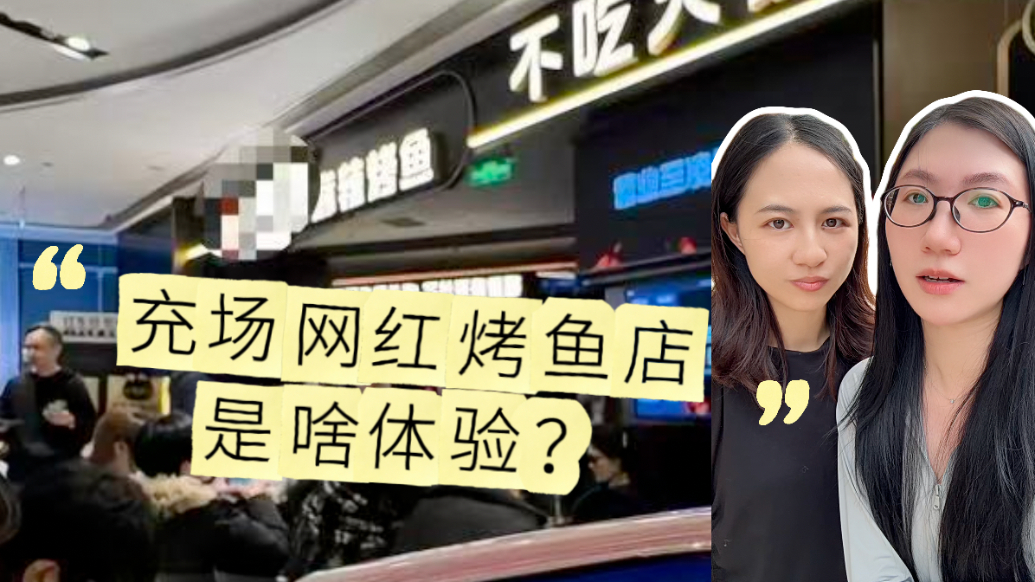
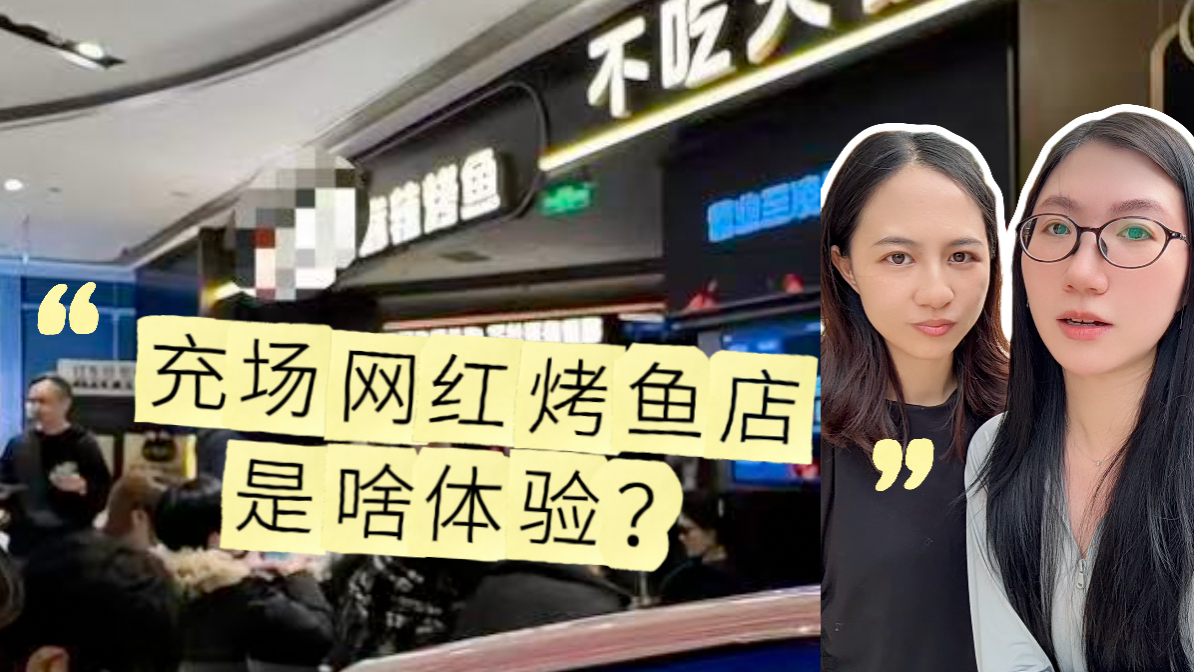
At 11:30 a.m. on June 18, we arrived at the viral grilled-fish restaurant. It was the store's opening day, and the offline crowd was overwhelming — customers waiting for seats filled the entrance and the mall corridors. When we queued on-site to take a number, more than 200 tables were already waiting. Following the group owner's instructions, we queued and then took a number online.
We noticed that a "Queueing Notice" sign set up by the restaurant at the number desk stated it had "further optimized and adjusted the on-site queueing rules to eliminate scalpers," and that "disputes arising from purchasing scalper numbers are unrelated to this store; resolve any issues on your own." Yet scalpers were still quietly soliciting customers on-site. One scalper told us he had arrived very early and could now resell numbers at 100 yuan each. "If you queue here now, you might not even get a seat by evening," he said.
Another young woman who came with us for the "gig" revealed she had another similar part-time job the next day, also for the same viral restaurant — at its Wujiaochang branch — likewise to queue and take a number.
After we took our numbers, the group owner demanded that everyone send their real-time dynamic queue numbers from the mini-program into the group chat. We called the owner, who said these numbers were to be resold to other people, and that without sending the live numbers, others would be unable to dine.
Only then did we realize we had become "part-timers" working for the scalpers. We asked in return whether this wasn't illegal; the other side asserted, "It's not illegal."
We then asked roughly how much margin they could make. They said their takings were uncertain because daily foot traffic varied, so not every number grabbed could necessarily be sold. When the reporter asked how much they earned per resale, they never disclosed it, saying: "That's a trade secret. Would you tell me your savings? I can't tell you my bottom price either."
We noticed that on the Xianyu (Idle Fish) platform, some merchants reselling queue numbers offer services such as cutting in line and queueing on behalf of customers at this viral grilled-fish restaurant, generally priced between 80 and 200 yuan. These merchants advertise that they can take numbers on behalf of buyers and cut straight into the queue; several such links have racked up thousands of completed orders, with buyers posting photos of their meals in the reviews.
So, does this queue-number-filling gig actually have anything to do with the restaurant?
On July 10, we called the team leader of the aforementioned gig again. He told us the activity was not organized by the store, and the store would absolutely not participate. "If they got involved and it was exposed, their brand would be 'socially dead.'" But he also mentioned that some stores are aware scalpers exist and, out of a need to hype their viral image, rely on scalpers to build atmosphere.
The same day, we also visited the restaurant's physical location. The store manager told us the so-called queue-filling and scalper ticket-reselling were not organized by the grilled-fish restaurant. They can check queue status via backend systems and on-site monitoring, which is controllable, and there is no situation of the store organizing people to fill queues or cooperating with scalpers.
Regarding the above, Zhao Liangshan, senior partner at Shaanxi Hengda Law Firm and a well-known public-interest lawyer, argued that organizers who mass-hire people to grab and hoard dining queue numbers at viral restaurants, then centrally collect and resell them at high prices for profit — maliciously monopolizing free dining slots and disrupting fair consumption order — are engaging in illegal acts that disturb public spaces and market order.
Zhao noted that ordinary part-timers who were unaware beforehand and merely participated in queuing, without subjective awareness or intent to resell for profit, generally need not bear legal responsibility. But if they notice abnormal practices such as mass repeated number-grabbing and high-price sales yet keep participating, they will be deemed to be assisting illegal activity and must bear corresponding fault liability. At the same time, as the management entity of a business premises, a restaurant has a legal duty to maintain normal operating order and protect fair consumption — it should implement controls such as one-number-per-person, limits on repeated number-taking, and identity verification of consumers, and promptly stop such chaos as number hoarding and ticket reselling.