business
Interview | Huang Chun, Principal of Beijing No. 4 High School Xiong'an Campus, on Education: No Cramming, Less Homework
In the summer of 2026, Huang Chun, principal of the Beijing No. 4 High School Xiong'an Campus, unexpectedly "went viral" after a line he delivered at the commencement ceremony of his alma mater, Jiangxi Normal University: "You need not have heard of us — you only need to come and see for yourself." Yet many may not recall that, in a later passage, he mentioned that he had also sat for the postgraduate entrance exam this year, and "as expected, naturally did not make it."
In an exclusive interview with The Paper, when asked why he wanted to pursue a master's degree, Huang Chun said: "A degree in itself is not the goal, but the pursuit of a degree is a driving force for learning. An educator's own learning and growth is the most powerful educational resource they can offer their students."
The principal, who hails from a village in Jiangxi, shipped 21 boxes of books he had not yet finished reading when he took the green-skin train to Beijing for his first job after graduating in 1997. Speaking of those books, he admitted candidly that he never finished them, because before the old ones were done, new ones kept arriving. He said: "You don't have to read every book. The mere presence of books by your side is meaning in itself. A person may only read a few hundred books in a lifetime, but one's life cannot be limited to only those few hundred."
During college, Huang Chun served as chair of the literary federation, deputy head of the drama troupe, and a campus newspaper reporter; he sang, acted, wrote poetry, and loved all kinds of sports. He believes there is no such thing as a "balance" between "studies" and "interests" — the busier a person is, the more time they find they have at their disposal. "The more one experiences, the bigger one's university becomes. A teacher cannot be merely someone who knows a bit of their subject; they must be a complete person," said Huang Chun.
Huang Chun has built three schools from scratch, weathering the naysayers who claimed that "even the best city school is just a name once it moves to the suburbs," that "private schooling won't work," and that it was "bound to suffer from cultural dislocation." When asked about his "methodology for launching a new school," his answer was: only "educating people through people" — there is no other way.
On Pursuing a Master's Degree: A Degree Is Not the Goal; the Pursuit of a Degree Is a Driving Force for Learning
The Paper: A while ago, your speech at the Jiangxi Normal University commencement ceremony went viral. At the ceremony you also mentioned that you "sat for the postgraduate entrance exam, didn't pass, and at over fifty will keep trying." Why do you still want to pursue a master's? Will you take the exam again next year?
Huang Chun: A degree in itself is not the goal, but the pursuit of a degree is a driving force for learning; I also hope to be a master's holder, a PhD.
I don't know whether I will actually register again next year, but learning is surely endless. I have said before: education is when one group's learning and growth and another group's learning and growth influence each other and produce mutual advancement. An educator's own learning and growth is the most powerful educational resource they can offer their students.
The Paper: In 1997, at 21, you took the green-skin train to Beijing for work and shipped 21 boxes of books. What kinds of books were they?
Huang Chun: In the 1990s, in cities, county towns and even villages, roadside bookstalls lined the streets and alleys. Hunting for books was the hobby and habit of readers back then. I was one of them, and I found browsing roadside stalls more convenient and more fun than borrowing from the library. So during my four years of college, I must have hunted down several hundred books. They were stacked against the wall, piled on my dorm bunk all the way to the ceiling. I slept on the top bunk; every time I lay down, I worried the books might collapse and crush me, yet at the same time I fell asleep contentedly and satisfied, nestled against that towering wall of books.
The Paper: Did you finish reading those books after bringing them to Beijing?
Huang Chun: Of course I never finished them. Unable to finish and reluctant to throw them away, I brought them to Beijing: I used 21 instant-noodle boxes "borrowed" from the corner shop, and paid more in rail shipping fees than my own ticket cost. Once in Beijing, the books were stacked in my office and dorm, and were even moved into student classrooms at one point, carted along with me through several moves. Of course, the old ones were still unread when the new ones arrived. As I remember it, during the twenty-odd years I worked in Beijing — borrowing and returning, returning and borrowing, buying and losing, losing and buying — I must have collected over ten thousand volumes in all.
In truth, you don't have to read every book. A book is not valuable only once read; the simple presence of books at hand, books by your side, is meaning in itself. A person may read only a few hundred books in a lifetime, but a life cannot be made of only those few hundred.

On University: The More One Experiences, the Bigger One's University Becomes
The Paper: At the commencement ceremony you mentioned that in college you served as chair of the literary federation, vice president of the speech and debate society, deputy head of the drama troupe, and a campus newspaper reporter; you ran a literary society, sang, acted, wrote poetry, ran and played ball… With so many campus activities, how did you balance your studies with your extracurricular interests?
Huang Chun: In university, coursework (in the narrow sense of attending classes) is only part of one's learning and growth. The "greatness" of a university lies in its diversity and richness. The more one experiences, the bigger one's university becomes.
I am especially grateful to the universities of that era, which did not trap us day after day in cramped classrooms and fixed timetables. I am also thankful that that time had no temptation of smartphones, no addictive games, no such external distractions, leaving us free enough to do what we wanted.
In truth, there is no "balance" to strike between "studies" and "interests" — studies were my interest, and so were other things. I take an interest in anything that helps me grow. Don't assume that being busy with A will necessarily hold back B. In fact, the busier a person is, the more time they find they have. I love the sense of fulfillment that comes from doing several things at once.
The Paper: How did these college experiences influence your later career in education?
Huang Chun: Truly, "every step you take will count in the future." Each experience in college seemed meaningless at the time, but looking back, everything of today is connected to those years.
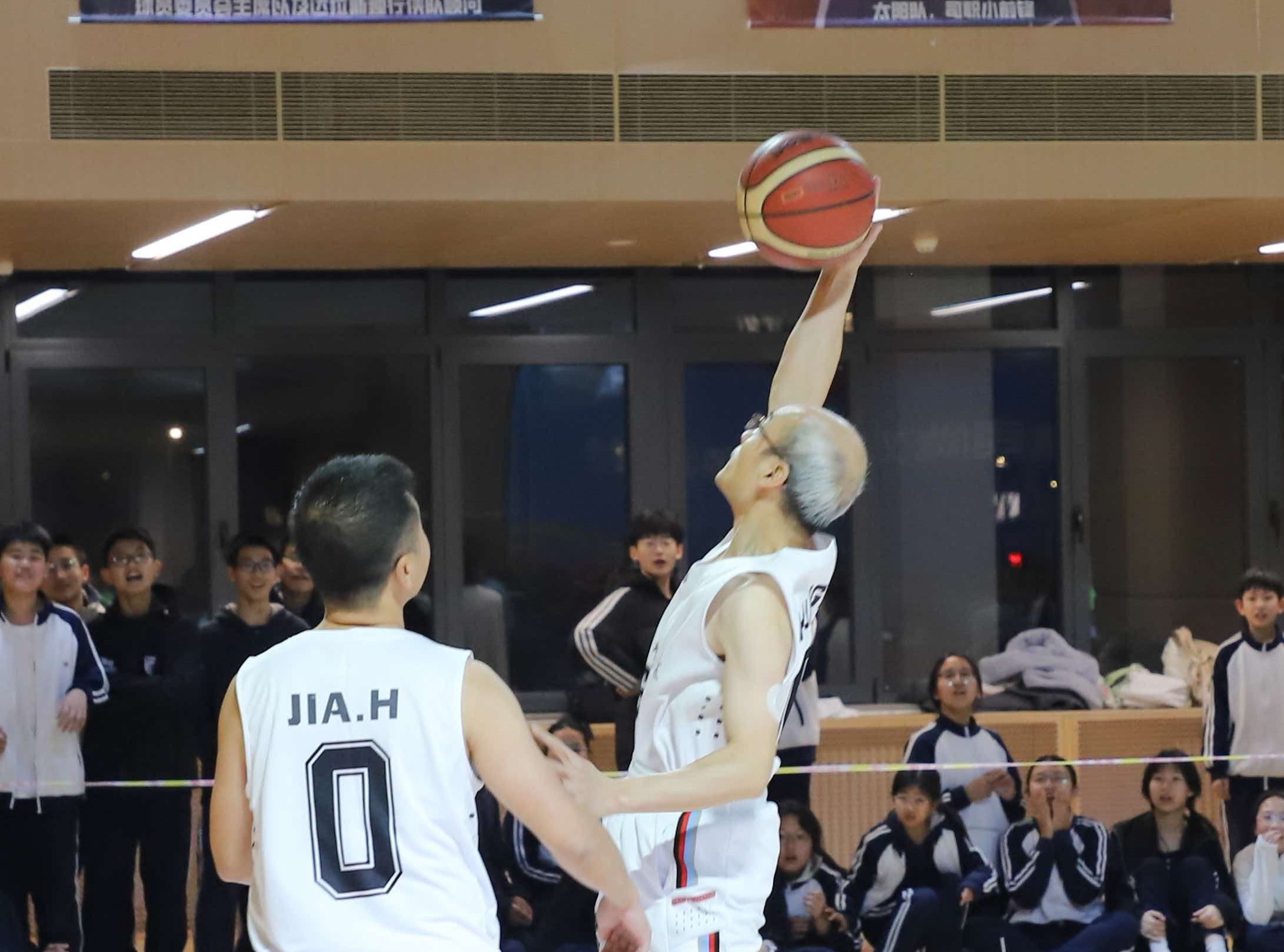
For example, nearly every common sport I learned in college — all kinds of ball games, all kinds of running and jumping — became my "secret weapon" for "winning over" students when I later became a teacher. Years of educational work have taught me that a teacher cannot be merely someone who knows a bit of their own subject; a teacher must be a complete person. Schiller said, "Only one who possesses a spirit of play is a complete human being." The reverse is also true: if you are a complete person, then you must also be someone who can "play," and thus you are surely an interesting teacher.
This is an English translation of an excerpt from the original Chinese interview published by The Paper.