business
Ten Airlines and Five Online Ticketing Platforms Summoned Over Flight Overbooking, Ordered to Complete Rectification by Deadline
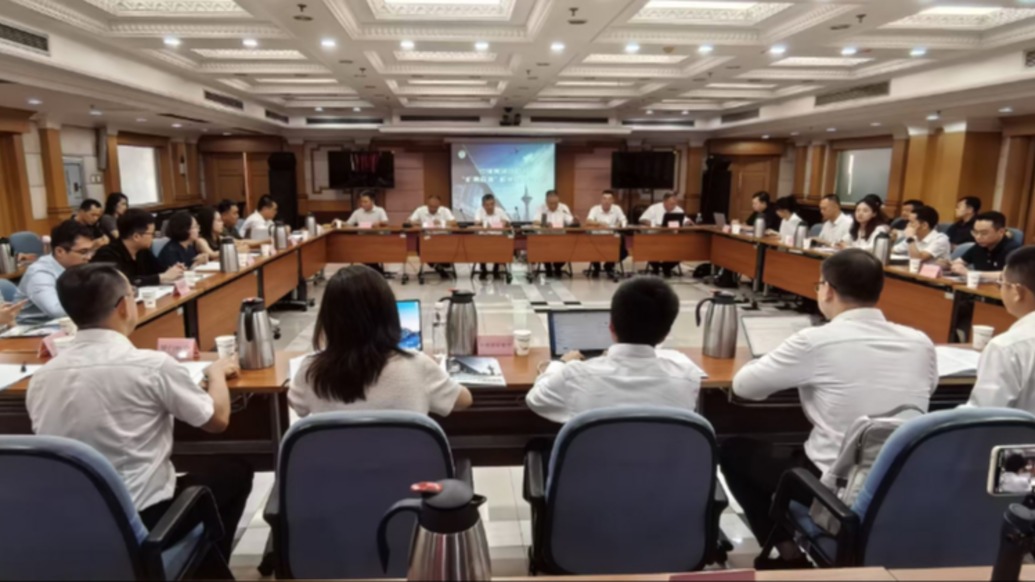
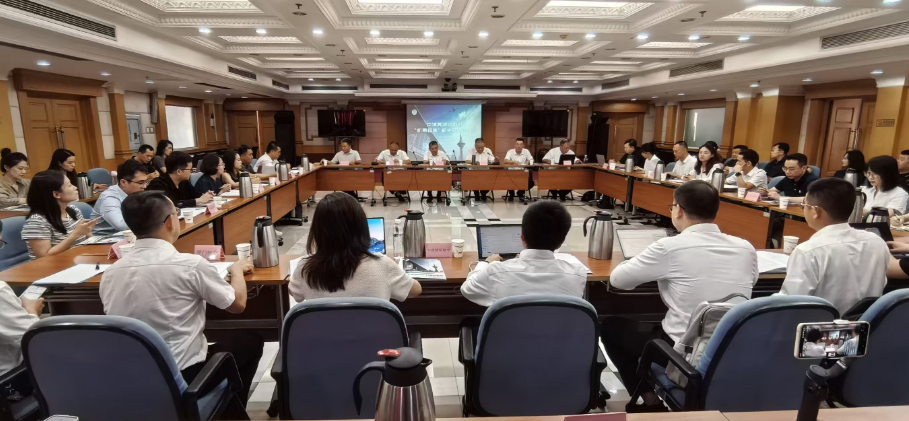
In early July, consumer associations of Beijing, Tianjin and Hebei jointly launched a special survey on public awareness of flight overbooking. In response to the problems uncovered, and pursuant to Article 40 of the Implementation Regulations of the Law of the People's Republic of China on the Protection of Consumer Rights and Interests, the three consumer associations held a joint admonishment meeting in Tianjin on July 24 with ten airlines — Air China, China Southern Airlines, China Eastern Airlines, Hainan Airlines, Xiamen Airlines, Tianjin Airlines, Sichuan Airlines, Juneyao Airlines, Spring Airlines and Hebei Airlines — as well as five online ticketing platforms: Tongcheng, Trip.com (Ctrip), Fliggy, Qunar and Meituan. The companies were ordered to complete self-inspection and rectification by August 31, 2026.
Notably, during the pre-meeting communication stage, Spring Airlines' service hotline could not connect callers to a human agent, and the airline gave no reply after the consumer associations sent an official letter. The Beijing-Tianjin-Hebei consumer associations publicly criticized Spring Airlines over this, demanding that the carrier squarely face its shortcomings in service responsiveness and consumer rights protection, proactively liaise with the consumer associations, submit rectification materials as required, and ensure the rectification work is genuinely implemented.
Beyond urging implementation of the rectification, the three consumer associations — citing the Law of the People's Republic of China on the Protection of Consumer Rights and Interests, the Provisions on the Administration of Passenger Services in Public Air Transport, and the newly revised Civil Aviation Law of the People's Republic of China — put forward four rectification recommendations to the airlines and online ticketing platforms.
Improve pre-purchase disclosure to safeguard passengers' right to know. Online ticketing channels (including airline apps, official websites and OTA platforms) must use prominent, standalone notices to fully disclose overbooking rules, on-site handling procedures and tiered cash compensation standards. Warnings must not be watered down through fine print, collapsed or hidden sections, or light-gray fading; passengers must be able to clearly see and understand the relevant risks when buying tickets. In addition, online order pages, platform home pages and official new-media channels must publish the complete overbooking rules and improve the effectiveness of customer service channels. Disclosures should fully set out the voluntary seat-relinquishment process, the scope of protection for special-needs passengers, free refund and rebooking policies, meal and accommodation standards, and detailed tiered cash compensation rules — vague phrases such as "overbooking risk exists" cannot substitute for clear notification and explanation of consumers' core rights.
Optimize on-site handling procedures and respect passengers' right to choose. Airlines should standardize on-site overbooking handling to avoid disputes caused by information asymmetry and ensure the process is professional, standardized and transparent. When overbooking occurs, passengers must be proactively informed at the first opportunity and offered a complete accommodation plan, with handling records kept throughout and communication properly coordinated. Volunteers willing to give up their seats should be solicited first; passengers must not be denied boarding by force without consultation. For the protection of special-needs passengers, the associations advocate establishing dedicated protection mechanisms, flagging them in systems, and giving them priority in seat allocation. Ticketing platforms should collect special-needs passenger information at the time of purchase and mark reminders on order pages so that such passengers receive priority protection during on-site handling.
Refine compensation and supporting services to uphold passengers' right to compensation. Where overbooking prevents a passenger from boarding as scheduled, airlines should offer multiple solutions for passengers to choose from — including a full free refund or free rebooking onto the earliest available flight that day — without charging handling fees or fare differences, and without forcing passengers onto early-morning or late-night flights. Compensation procedures should be simplified and settled quickly on site, reducing delays caused by multiple layers of approval. On cash compensation, airlines should formulate and publish tiered cash compensation standards; passengers may decide for themselves whether to take cash, and mileage points or vouchers must not be forced on them as substitutes. If a passenger cannot travel the same day, the airline should provide free accommodation, meals and airport transfers. Ticketing platforms are encouraged to clearly display airlines' overbooking compensation standards and complaint portals on order detail pages and after-sales channels, making it easy for passengers to check and defend their rights.
Keep long-term complaint channels open and improve passenger satisfaction. On public awareness, airlines need to step up education on overbooking rights and complaint avenues through their official websites, apps, WeChat official accounts and other channels, helping passengers understand their rights in advance and achieve "informed rights protection and convenient complaints." On complaint handling, airlines must establish dedicated overbooking complaint ledgers with clear time limits for acceptance, processing and feedback, ensuring passengers' issues receive timely and effective responses. Airlines must also proactively cooperate with consumer associations in consumer surveys and oversight, willingly accept public supervision, and continuously improve service processes. Ticketing platforms should likewise set up dedicated overbooking complaint ledgers, specify time limits for acceptance, referral and feedback, and interconnect their complaint systems with those of the airlines so passenger complaints are accepted and answered on time.
The Beijing-Tianjin-Hebei consumer associations require the companies concerned to implement rectification item by item in line with the above recommendations, specifying measures, responsible departments and completion deadlines. For companies that rectify poorly after the admonishment or continue to infringe consumer rights, the associations will take further measures in accordance with the law. At the same time, the three consumer associations will continue to strengthen whole-process supervision, push airlines and online ticketing platforms to standardize services across the board, effectively safeguard passengers' rights to know, to choose and to seek compensation, and continuously improve order in the civil aviation consumer market.
Source: The Paper (澎湃新闻) / Beijing Daily client, by Zhang Nan. Original article in Chinese: https://www.thepaper.cn/newsDetail_forward_33650327