world
Weakening in the First Half, Bloodthirsty in the Second — Morocco's Shape-Shifting Style Puts France to the Test
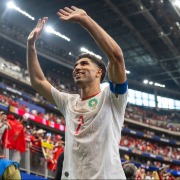
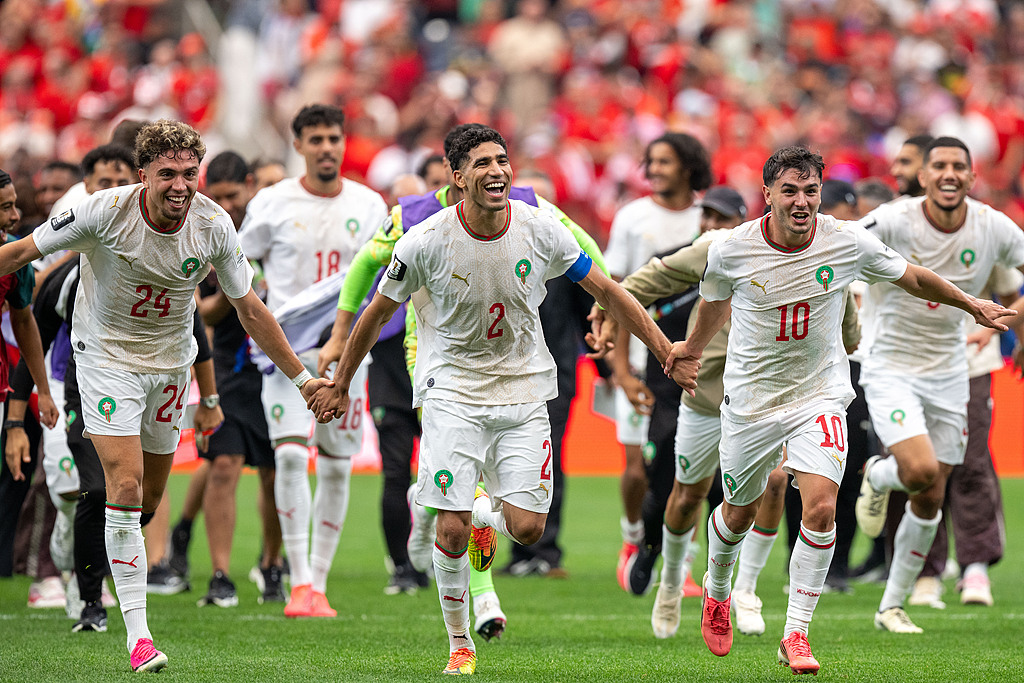
How to tame the unruly host nation that has been indomitable since the tournament began? In the first match of the Round of 16, Morocco showed the world how it's done.
In the first half, they held nearly sixty percent possession but held back, refusing to strike — let alone shoot, they were remarkably restrained even in committing players to attack the opponent's territory. But when Canada switched to track-and-field mode, charging fiercely, the patient Morocco responded with speed of their own. Three shots on target, each one lethal — the biggest knockout-stage victory in the club's World Cup history, secured with ease.
Reaching the quarterfinals in back-to-back World Cups, the Atlas Lions have emerged from the shadows of the Africa Cup of Nations earlier this year. Their fourth World Cup knockout-stage win equals the combined total of all other African teams in history.
As the Boston showdown approaches, what kind of stance will they take against France, their tormentor from the previous World Cup semifinal?
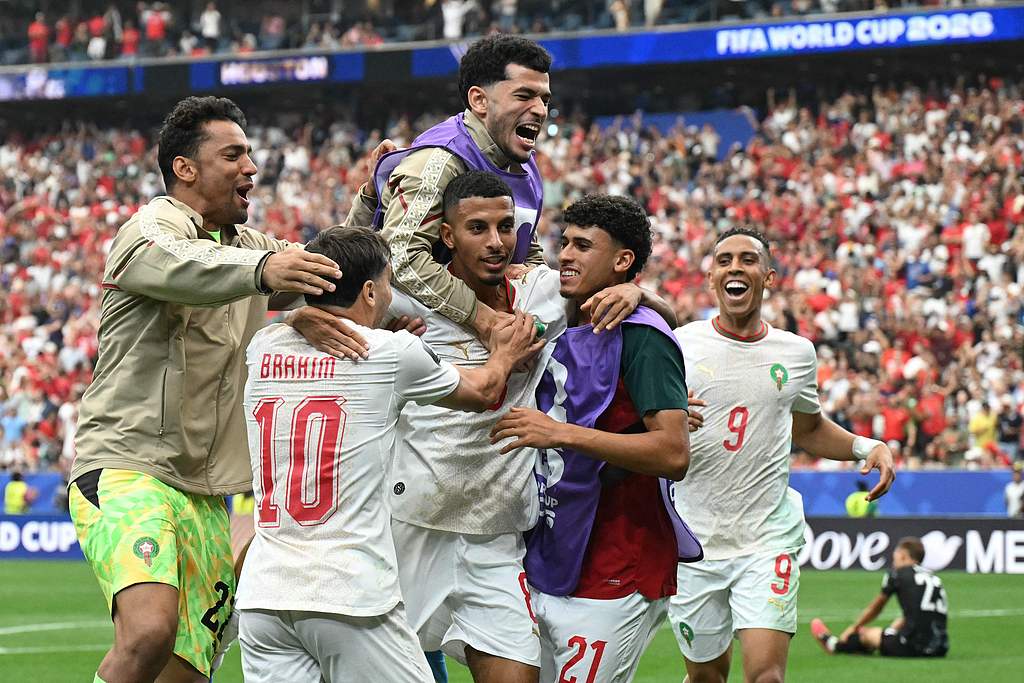
Three shots on target, one decisive wave.
Morocco on the World Cup and AFCON tracks has always had two faces — one timid and submissive, one aggressive and ferocious. Changing faces has always been their standard operating procedure.
At the start of the year in the Africa Cup of Nations, before being shut out in regular time of the final, Morocco had scored 9 goals and conceded just 1 in their previous 6 matches — their dominance speaks for itself. Brahim Diaz single-handedly accounted for more than half of those goals, and the team not only maintained the defensive tradition they have held since the 2022 World Cup but also displayed a wealth of creativity in attack.
But in the World Cup, especially in the knockout stages, Morocco — who have achieved the highest FIFA ranking of any African team in history — still firmly believe in cautious sailing. They rarely take the initiative to strike first, placing greater faith in cost-effective counter-attacking football. Though they dominated possession against the Netherlands in the previous round, being forced into extra time by center-back Diop's forward surge ensured the team would be even more cautious this time around.
Fortunately, their opponents Canada did not see it that way. As the most straightforward team among the 48, Canada always charged fiercely, seemingly never considering their opponent's tactical shifts. Morocco, having been tested by both Brazil and the Netherlands and making only one change to their starting lineup, immediately felt the intensity and determination of their opponents.
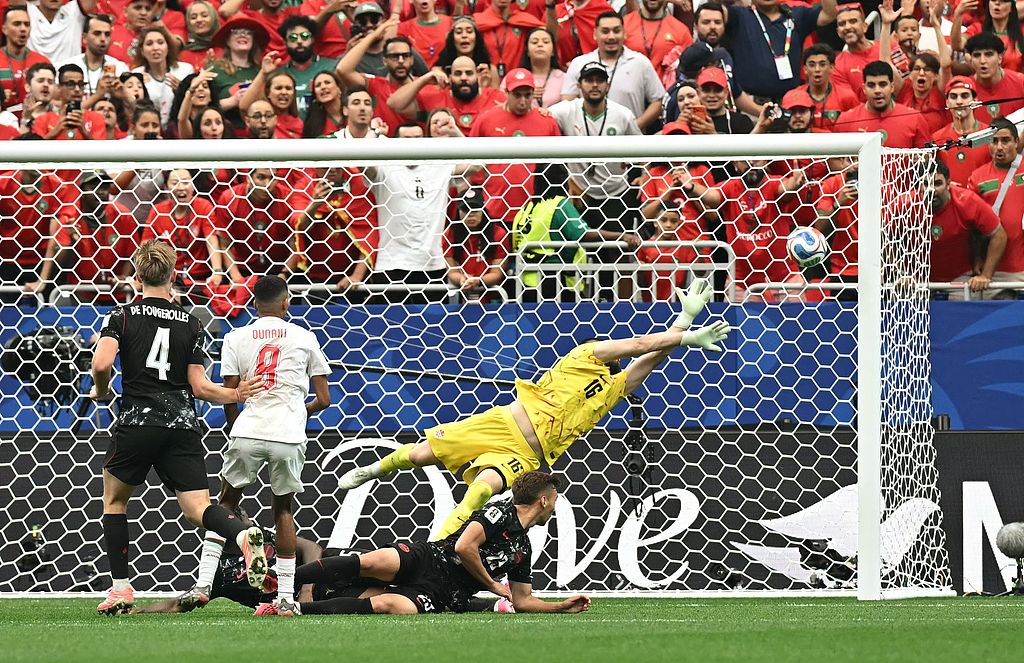
In the first quarter-hour, Canada had already created three clear goalscoring chances. Within 25 minutes, they had touched the ball in the box 12 times. Meanwhile, Morocco, largely circulating the ball in the periphery, had not managed a single one.
The soft fear the hard, the hard fear the ruthless, and the ruthless fear those who have nothing to lose. Morocco — both hard and ruthless — facing Canada's fearless straight-ahead approach, presented a puzzle they had never solved this tournament. Facing the deadlock, the ever-composed manager Oualid Regragui made his biggest adjustment of the tournament: the team stopped pushing both flanks forward aggressively, switching from an aggressive 3-2-5 to a more balanced 4-3-3 in attack. Bouadi, who had been controlling the midfield, was substituted after an hour, replaced by the more experienced Amrabat.
On the surface, this was a forced adjustment following the injury of forward Sebari. But Morocco, returning to their old pattern, played with greater fluidity. And when Canada hit a brief physical bottleneck and their defensive positioning became less tight, Morocco — who had been holding back — loaded their bullets and struck with lethal counters.
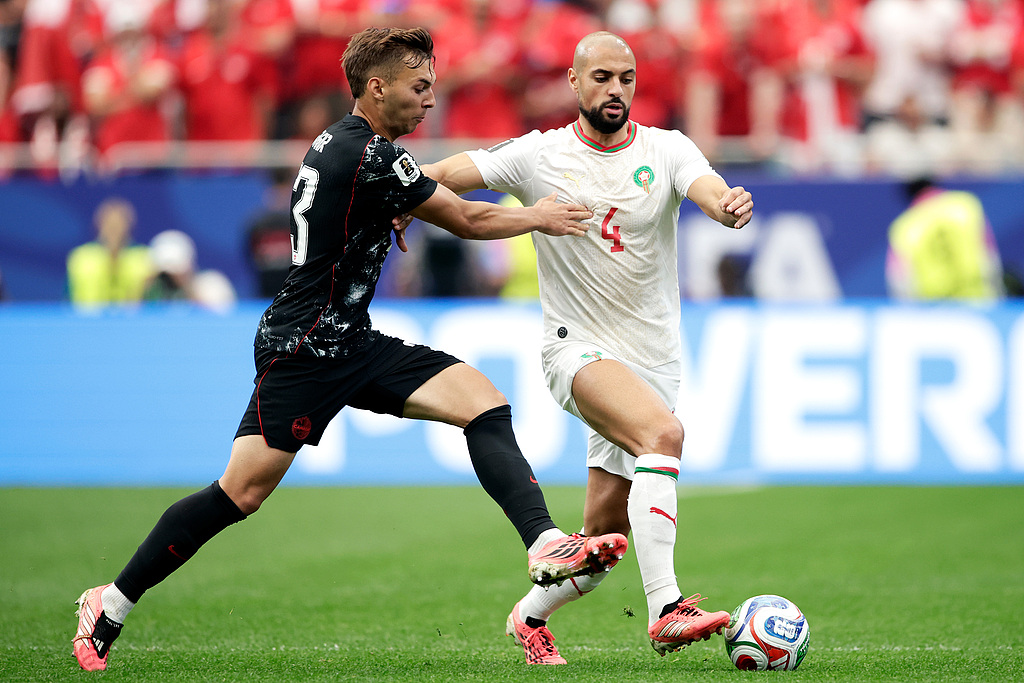
If the first goal that broke the deadlock could be attributed to Morocco catching Canada off guard with a long-range strike, the next two goals saw Morocco pass the ball with one touch from midfield into the box, creating situations of 4-on-2 and 3-on-1. The overwhelming numerical advantage in localized areas was enough to turn even the less accurate Unahi into a temporary finisher. After all, even Van Dijk had been caught out in the previous round — let alone a Canadian defense without an anchor.
In the last World Cup, Morocco was also a counter-attacking side, but they relied more on En-Nesyri's aerial prowess and Ziyech's individual dribbling and set pieces. But now, neither even made the squad this time around.
Do not blame Morocco for abandoning the old for the new — their arsenal is simply too rich, and the new tactics are even more effective.
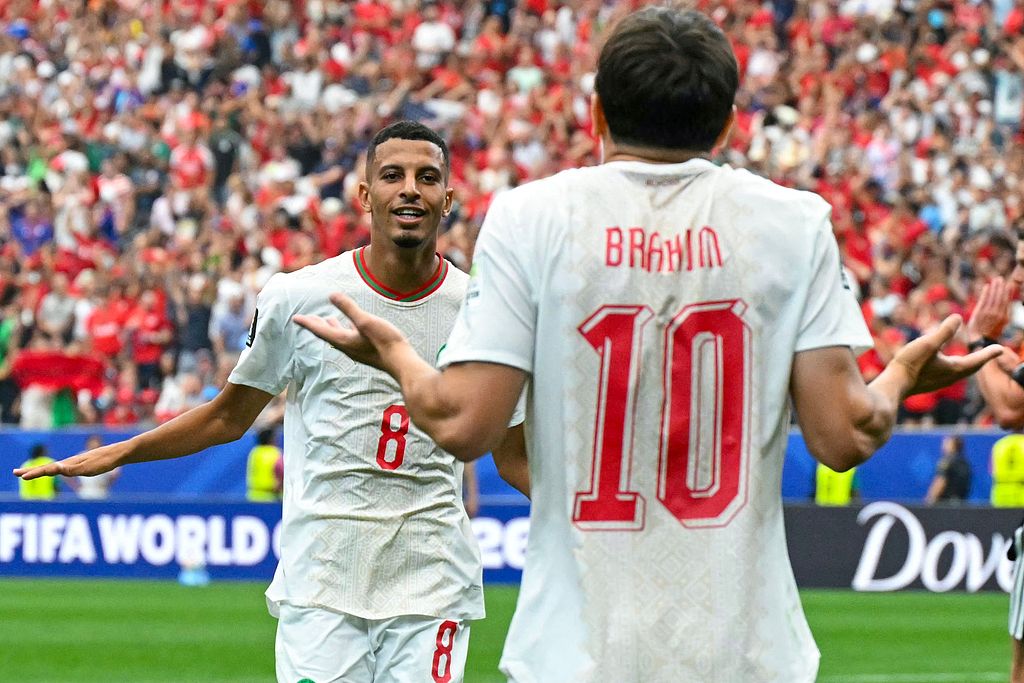
United as one, a settled Morocco returns to stability.
"A coach's job is not to remote-control players — they must be given creative freedom." After the match, the elegant Regragui revealed the secret to their victory.
In a sense, what Morocco advocates is precisely what this World Cup's dark horses have abandoned. Whether it is Paraguay, who pushed France to a penalty shootout, or Cape Verde, who dragged Argentina into extra time, both teams favored surrendering possession, packing the defense, and giving opponents no room to shoot. But Morocco? They do exactly the opposite.
From Brazil to the Netherlands to Canada, the shared illusion of all three teams facing Morocco is that they clearly have chances but simply cannot kill the game. Leave aside Canada being shut out. Brazil's goal came from Vinicius's unstoppable individual brilliance, and the Netherlands' goal came from a three-touch counter following a sudden aerial ball after a substitution — neither was their routine approach.
In other words, when it comes to neutralizing opponents, Morocco is the first-tier team that is always underestimated. Their most frightening quality is that their control over the game is not obvious, yet the key moments always favor them, and the game's trajectory often tilts in their direction sooner. The champion's aura that has never belonged to African teams is especially evident in them.
This confidence comes first from having the highest squad value among Africa's 10 teams and the experience of multiple starters playing for top clubs. But it stems even more from the sense of stability that new coach Regragui has brought following the AFCON chaos.
Admittedly, over the past four years, Regragui — initially hired as a firefighting coach — brought unprecedented breakthroughs to Morocco. But once they were in the spotlight, the deep-seated contradictions once hidden by their results began to surface. The 19-match winning streak across all competitions was both a glorious halo and a heavy shackle, ultimately forcing Regragui into a do-or-die situation at the home AFCON.