business
The Body Fat Everyone Hates Might Actually Be the Best for Your Health
In recent years, more and more people have joined the "weight loss circle," treating body fat as the "enemy," with some even willing to starve themselves to get thin.
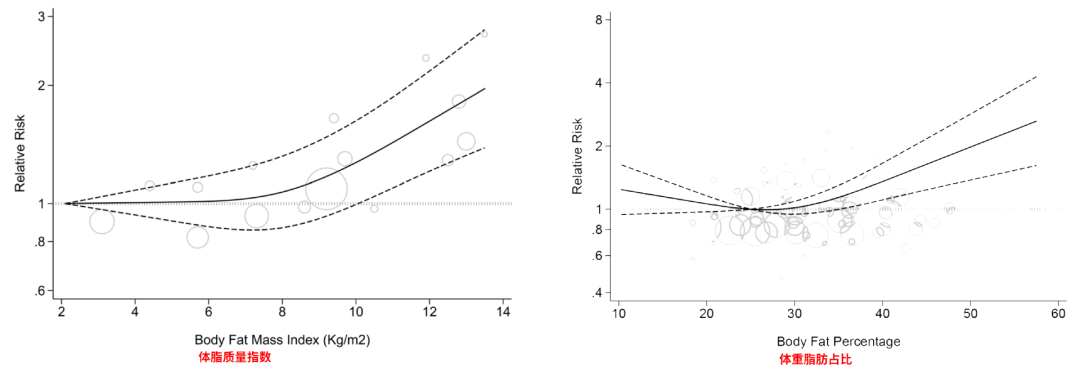
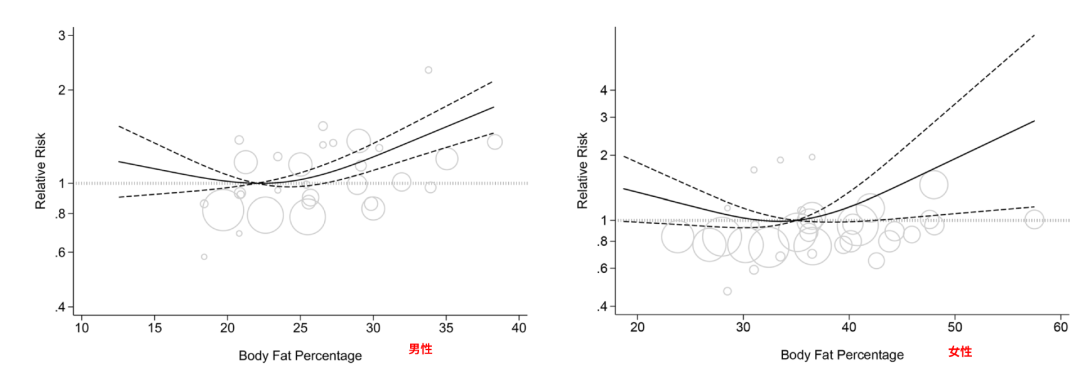
But in reality, maintaining an appropriate amount of body fat is a form of self-protection for the human body. A meta-analysis published in the International Journal of Obesity points out that the relationship between body fat percentage and all-cause mortality follows a J-shaped curve — both too high and too low increase the risk of death, with a body fat rate of 25% corresponding to the lowest all-cause mortality risk.
This study also found a pattern: for the same increase in fat, the rise in all-cause mortality is more pronounced in men, while the increase in mortality risk for women is more moderate.
So never become obsessed with extreme weight loss to the point of losing your natural "armor"!
Fat is truly more important than you think!
Although excessive fat can lead to weight gain, affect appearance, and is closely linked to health problems such as cardiovascular disease and diabetes, fat actually plays a crucial role in the human body.
1. Providing Energy for the Body
First, fat is one of the body's primary energy sources. Especially during low-to-moderate intensity, prolonged exercise or physical labor, fat provides sustained energy, reducing reliance on carbohydrates (glycogen) and thereby delaying the onset of fatigue. This means that an appropriate fat reserve helps improve endurance, allowing us to be more persistent and efficient in sports or daily activities.
2. Protecting Body Organs
Second, fat also provides important mechanical protection.
Fat around the joints (such as the heels and palms) absorbs impact, reducing injury during exercise or walking; fat in the eye sockets helps stabilize the eyeballs, preventing damage from shock; and the fat around the kidneys and heart acts as a natural "protective cushion," securing organ positions while providing additional cushioning to reduce damage from external pressure.
3. Maintaining Normal Metabolism
Adipose tissue can also secrete various hormones that help maintain normal metabolism. In a non-obese state, adipose tissue secretes multiple protective hormones. For example, adiponectin enhances the sensitivity of the liver and muscles to insulin and maintains vascular elasticity, thereby reducing the risk of cardiovascular disease. Leptin suppresses appetite and promotes fat oxidation, preventing excessive fat accumulation. The regulatory effects of these hormones make moderate body fat an important safeguard for metabolic balance.
Additionally, adipose tissue serves as a "metabolic buffer" — when energy intake is excessive, it stores the surplus fat, preventing it from being deposited in non-adipose tissues (such as the liver and muscles), thereby reducing the risk of metabolic syndrome.
Studies have found that patients with lipodystrophy (extremely low adipose tissue) often experience abnormal fat deposition in skeletal muscle and the liver, resulting in insulin resistance levels significantly higher than those in regular obese individuals. Notably, fat storage capacity is greater in the lower body, releasing fewer free fatty acids into the bloodstream. Therefore, compared to abdominal fat accumulation, lower-body fat is less likely to trigger insulin resistance. This is why a "pear-shaped" body type has a health advantage over an "apple-shaped" body type.
4. Regulating Immune Function
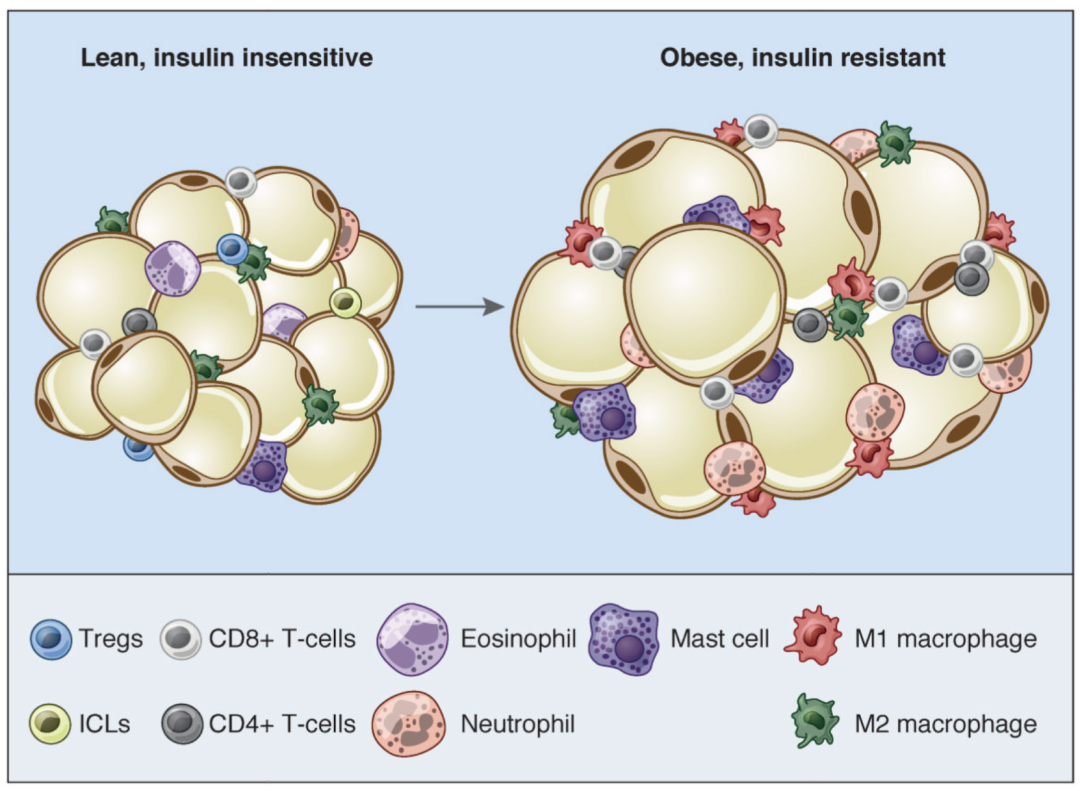
Moderate amounts of fat contain resident immune cells, such as anti-inflammatory M2 macrophages, which promote tissue repair and maintain insulin sensitivity. At the same time, regulatory T cells in adipose tissue help control inflammation levels, keeping the body in a low-inflammatory state and thereby reducing the risk of chronic diseases.
A lean fat depot contains various types of immune cells, primarily resident M2 macrophages, eosinophils, and Treg cells, all playing a protective role. In cases of overnutrition, pro-inflammatory cells accumulate, including M1 macrophages, mast cells, and various T lymphocytes, leading to chronic inflammation and increased disease risk.
In summary, fat is not the "burden" we imagine it to be but rather a part of our body that performs multiple important functions.
Maintaining an appropriate fat reserve not only makes you look healthier but also ensures that your body's various functions operate normally.
How to Maintain a Healthy Amount of Body Fat
Since body fat plays such an important role in the human body, how can we maintain an appropriate amount of fat while staying healthy?
First, maintain a reasonable dietary structure. None of the three macronutrients — carbohydrates, protein, and fat — should be completely eliminated from your diet. Include foods rich in quality fats and protein such as fish, and eat green vegetables to ensure adequate intake of dietary fiber and vitamins.
Second, develop scientific exercise habits. Whether it's brisk walking, jogging, swimming, squats, or bench presses, choose a form of exercise you enjoy. The key is to stick with it and make it a habit, with a reasonable exercise plan — don't blindly increase intensity, and don't slack off either.
Finally, maintain good lifestyle habits. Don't stay up late, ensure adequate sleep, and engage in appropriate outdoor activities. Getting in touch with nature can help relieve stress and promote a healthy fat distribution.
Fat is not the enemy of the human body, but an important component of maintaining health. Instead of blindly trying to eliminate fat, learn how to manage it scientifically and keep your body in optimal condition.
Source: People's Daily WeChat, compiled from Science China
Editor: Zheng Xuefeiteng, Lin Fan